What Makes a Good Dishwasher: Your Essential Guide
A good dishwasher is one that gets your dishes spotlessly clean without you needing to pre-rinse. It should run quietly and efficiently, using less water and energy. Look for features that fit your lifestyle, like adjustable racks and flexible loading options, for truly effortless cleanup.
When choosing, consider its cleaning performance on tough food stains. Energy Star certification means it’s eco-friendly and cost-effective. Many modern dishwashers also offer advanced drying capabilities and smart features for added convenience. Finding the right one means a cleaner kitchen with less hassle.
- A good dishwasher cleans well without pre-rinsing.
- It should be quiet and energy efficient.
- Look for flexible loading and drying features.
- Energy Star certification is a good indicator.
Ready to find the perfect machine for your kitchen? Let’s walk through the key features that make a dishwasher truly great.
What Makes a Dishwasher Truly Great?
You’re looking for a dishwasher that does the heavy lifting. The best ones don’t just rinse; they power through baked-on cheese and greasy pans. You want sparkling dishes and glasses, every single time. This means looking beyond just the brand name. It’s about understanding the technology and features that deliver superior cleaning.
A good dishwasher should also be a quiet roommate. No one wants to hear a roaring machine while they’re trying to relax. Efficiency is also key. You want a machine that saves water and energy, keeping your utility bills down. Let’s break down what to look for to ensure you get a truly exceptional cleaning experience.
Cleaning Performance: The Heart of the Matter
The primary job of any dishwasher is to get your dishes clean. You shouldn’t have to pre-rinse every item. A great dishwasher tackles tough food soils with ease. This includes things like dried-on oatmeal or that stubborn lasagna pan.
Spray Arm Power and Water Jets
Think of spray arms as the muscle of your dishwasher. Most dishwashers have at least one, usually at the bottom. High-end models often add a third spray arm at the top. These arms rotate, spraying water with force throughout the tub. More powerful jets and well-placed spray arms mean better coverage. They can reach every corner, ensuring no spot is missed. Some dishwashers have specialized jets for certain items, like silverware baskets.
Wash Cycles and Options
Beyond the basic wash, look for a variety of cycles. A heavy-duty cycle is essential for those really tough jobs. An “auto” or “sensor” wash is also a smart feature. These cycles use sensors to detect how dirty your dishes are. They then adjust the water temperature and wash time accordingly. This saves energy and water when dishes aren’t heavily soiled. Sanitize cycles are also important for hygiene. They use very hot water to kill bacteria, a feature many experts recommend (CDC).
Detergent and Rinse Aid Dispensers
The dispenser plays a vital role. It releases detergent at the optimal time during the cycle. Many models also have a separate compartment for rinse aid. Rinse aid is crucial for drying. It helps water sheet off dishes, preventing spots and improving drying time. A well-functioning dispenser ensures your detergent works its magic effectively.
Quiet Operation: Peace in Your Kitchen
Dishwasher noise is measured in decibels (dB). You’ll want a model that runs quietly. Anything below 50 dB is generally considered quiet. Many newer models operate in the 40-45 dB range, which is barely audible. Imagine running the dishwasher while you’re watching TV or having a conversation. That’s the goal!
What Contributes to Quietness?
Several factors make a dishwasher quieter. Good insulation is key. The tub material also plays a role; stainless steel tubs are often quieter than plastic ones. Advanced motor designs and vibration-dampening technologies further reduce noise. You might see terms like “sound-insulated” or specific dB ratings on the product specs. Always check these numbers if noise is a concern for you.
Energy and Water Efficiency: Good for Your Wallet and the Planet
A good dishwasher uses less water and electricity. Look for the Energy Star certification. Energy Star certified appliances meet strict energy efficiency guidelines set by the EPA. This means they use less energy than standard models, saving you money on utility bills over time. It’s a win-win for your budget and the environment.
How much water does a dishwasher use? Newer, efficient models can use as little as 3 gallons of water per cycle. Older or less efficient models might use 10 gallons or more. Conserving water is important for everyone. Choosing an Energy Star model is a straightforward way to do this (EPA).
Loading and Capacity: Making Your Life Easier
The interior layout of a dishwasher can make a big difference. You want a dishwasher that can hold a lot and adapt to your needs.
Rack Adjustability and Flexibility
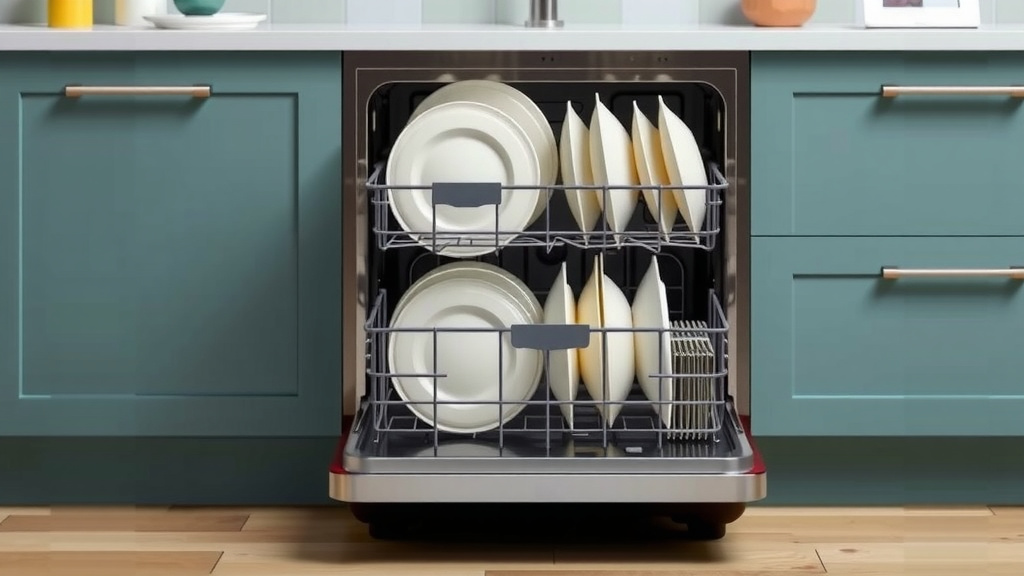
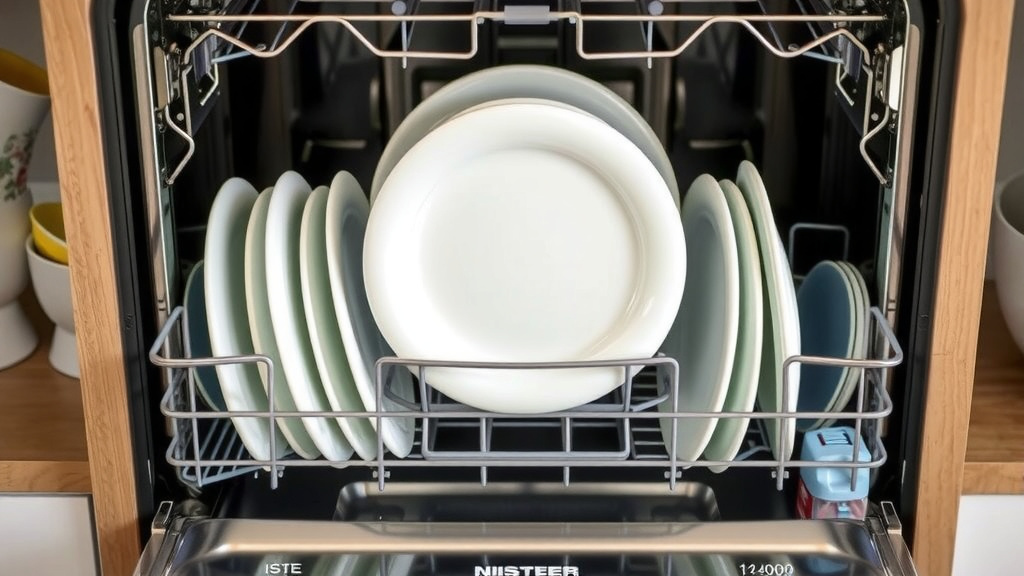
Adjustable racks are a must-have. Can you raise or lower the top rack? This is perfect for fitting tall glasses or large platters. Fold-down tines are also incredibly useful. They give you flexibility for oddly shaped items or larger pots and pans. Some models even have a third rack, a slim tray at the very top. This is great for silverware, utensils, or small mugs.
Third Rack Features
A third rack can significantly increase your dishwasher’s capacity. It frees up space in the lower rack. Think about how often you wash long serving utensils or bulky kitchen tools. A dedicated space for these items can streamline your loading process. Some third racks have special slots for cutlery, ensuring better cleaning.
Capacity Considerations
Dishwasher capacity is usually measured in place settings. A standard full-size dishwasher typically holds 12-16 place settings. Consider the size of your household and how often you run the dishwasher. A larger family might benefit from a higher capacity model. Smaller households might find a standard size perfectly adequate.
Drying Performance: The Finishing Touch
Nobody wants to unload a dishwasher only to find damp dishes. Good drying is essential. How well a dishwasher dries depends on a few factors.
Heating Elements vs. Condensation Drying
Some dishwashers use a visible heating element at the bottom of the tub, similar to an oven. This actively heats the air to dry dishes. Others use condensation drying. This method relies on the hot rinse water left on the dishes. The hot stainless steel tub walls condense this moisture, which then drains away. Condensation drying is more energy-efficient. Many models, especially Energy Star certified ones, use this method. You might find that plastic items don’t dry as well with condensation drying.
Extended Dry and Auto-Open Features
Some dishwashers offer an “extended dry” option. This runs the drying cycle a bit longer for better results. Another convenient feature is an auto-open door. At the end of the cycle, the door pops open slightly. This allows moist air to escape and speeds up the drying process. It’s a simple feature that makes a big difference.
Dishwasher Drying Checklist:
- Does it have a heated dry option?
- Does it use condensation drying?
- Is there an auto-open door feature?
- Are there extended drying cycles available?
- Does it mention improved drying performance?
Conclusion
You’ve learned what makes a dishwasher truly excel. It’s a combination of powerful cleaning performance that handles tough food, quiet operation for a peaceful home, and efficient use of water and energy. Don’t forget the convenience of flexible loading options and reliable drying. When you prioritize these features, you’re investing in a kitchen helper that makes your life easier. Now you’re equipped to choose a dishwasher that brings sparkling results and less hassle to your daily routine. Start by checking the Energy Star rating and decibel levels for your next purchase.
Frequently Asked Questions
How do I know if a dishwasher will actually get my dishes clean?
Look for dishwashers with multiple spray arms, especially a third one at the top for better coverage. Advanced wash cycles like “auto” or “sensor” washes are also great indicators. These cycles use sensors to adjust water usage for optimal cleaning based on how dirty your dishes are.
What decibel level should I look for to ensure my dishwasher is quiet?
You’ll want a dishwasher that operates below 50 decibels (dB) for quiet performance. Many newer models are even quieter, often falling into the 40-45 dB range. This is typically quiet enough that you can run the dishwasher while conversing or watching TV without distraction.
Besides Energy Star, what other signs show a dishwasher is water and energy efficient?
Efficient dishwashers often use less water per cycle, sometimes as low as 3 gallons. Pay attention to models that specify their water usage or highlight condensation drying methods. These methods tend to be more energy-conscious than those relying solely on heating elements.
Are adjustable racks and a third rack really worth the extra cost?
Yes, they can make a big difference in usability. Adjustable racks allow you to fit taller items or awkwardly shaped dishes. A third rack frees up significant space in the lower racks, perfect for long utensils or small cups, making loading much more efficient.
What’s the difference between heated drying and condensation drying, and which is better?
Heated drying uses a heating element to dry dishes, while condensation drying uses the residual heat from the wash cycle and the dishwasher’s tub. Condensation drying is more energy-efficient and common in Energy Star models. While it might not dry plastic items as perfectly as heated drying, it’s generally very effective for most loads.