Top Load vs Front Load Washer: Which Is Best For You
When choosing between a top-load vs. front-load washing machine, the best option for you often depends on your priorities like budget, water usage, and cleaning performance. Front-load washers typically offer a deeper clean and use less water, making them more energy-efficient, while top-load machines are generally more affordable and faster to use.
We know laundry day can feel like a chore, so choosing the right machine makes a big difference. Both types have their own set of advantages and disadvantages that can impact your daily routine and your utility bills. Understanding these differences can help you make a smart purchase for your household needs.
- Front-load washers clean better and use less water.
- Top-load washers are usually cheaper and quicker to run.
- Consider your budget and energy efficiency needs.
- Think about how much space you have and ease of use.
Let’s break down the pros and cons of each so you can pick the perfect washing machine for your home.
Deciding Between Top-Load and Front-Load Washers
Choosing the right washing machine can feel like a big decision. You want something that gets your clothes clean without costing a fortune. Many people wonder if a top-load or a front-load machine is the better choice for their home. We’ve looked into what makes each type stand out. Let’s break down the key differences to help you find the perfect fit for your laundry routine.
Understanding Top-Load Washing Machines
Top-load washers are a classic choice for many households. They are known for their familiar operation and often come with a lower price tag. You simply open the lid at the top, toss in your clothes, add detergent, and start the cycle. It’s a straightforward process many people are used to.
How Top-Loaders Work
There are two main types of top-load washers: those with an agitator and those without. The agitator is a central post that spins and twists your clothes. This can be very effective at cleaning tough stains. High-efficiency (HE) models often skip the agitator. Instead, they use a low-profile impeller at the bottom of the tub. These use less water and are gentler on fabrics.
The Agitator Style
Washers with an agitator are great for tackling heavy soil and large loads. The central post helps move clothes around. However, this can sometimes lead to more wear and tear on your garments. We found that clothes can get tangled around the agitator, potentially causing stretching or damage.
High-Efficiency (HE) Impeller Style
HE top-loaders use an impeller to move clothes. They generally use less water than agitator models. This makes them more eco-friendly and can save you money on your water bill. They also tend to be gentler on your clothes, which is great for delicate items or everyday wear.
Pros of Top-Load Washers
- Cost-Effective: Top-load washers are typically less expensive upfront than front-load models.
- Ease of Use: No bending down is required to load or unload clothes. You can also add items mid-cycle easily.
- Faster Wash Cycles: Many top-loaders offer shorter wash times, which is a big plus when you’re in a hurry.
- Familiarity: If you grew up with a top-loader, the operation will feel very natural.
Cons of Top-Load Washers
- Water Usage: Traditional agitator models can use a significant amount of water.
- Cleaning Power: While effective, some argue they don’t clean as deeply as front-loaders, especially HE models.
- Capacity: The agitator can sometimes limit the size of the loads you can wash comfortably.
- Potential for Wear: The vigorous action of agitators can be harder on fabrics over time.
Exploring Front-Load Washing Machines
Front-load washers have gained a lot of popularity in recent years. They are known for their superior cleaning performance and energy efficiency. You load your laundry through a door on the front of the machine. They tumble clothes through a small amount of water at the bottom of the drum.
How Front-Loaders Work
Front-load washers use a tumbling action. The drum rotates, lifting clothes and then dropping them back into the water. This method is very effective at removing dirt and stains. It also uses much less water than most top-load machines. This gentler action is also kinder to your clothes, reducing wear and tear.
Pros of Front-Load Washers
- Energy Efficiency: They use significantly less water and energy, saving you money on utility bills. The US Department of Energy notes that HE machines, including front-loaders, are designed for efficiency.
- Superior Cleaning: The tumbling action is proven to be very effective at lifting dirt and stains.
- Gentle on Clothes: The lack of an agitator and the tumbling motion result in less fabric damage.
- Larger Capacity: Without an agitator, front-loaders can often handle larger loads of laundry.
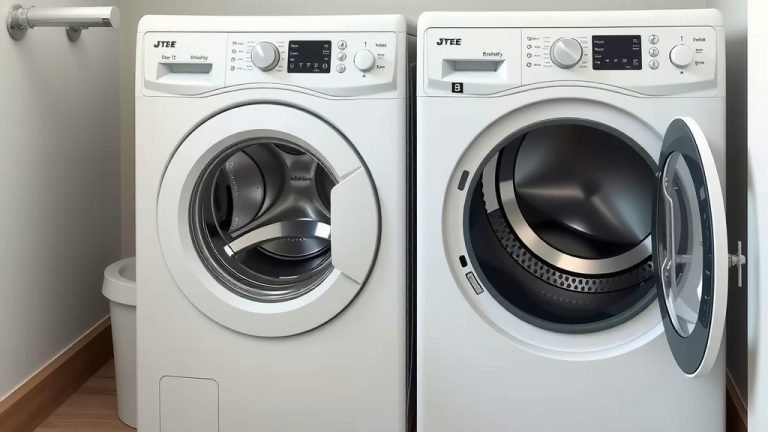
- Stackable Design: Many front-load models can be stacked with a dryer, saving valuable floor space.
Cons of Front-Load Washers
- Higher Price: Front-load washers generally have a higher initial purchase price.
- Longer Cycles: Wash cycles can often take longer than those on top-load machines.
- Bending Required: You need to bend down to load and unload clothes, which can be difficult for some.
- Maintenance: The rubber door seal can trap moisture and lead to mold or mildew if not wiped dry regularly.
- Adding Clothes: You cannot easily add items once a cycle has started.
Key Differences at a Glance
To help you visualize the distinctions, let’s look at a quick comparison. This can highlight where each type shines.
| Feature | Top-Load Washer | Front-Load Washer |
|---|---|---|
| Cleaning Performance | Good to Very Good (Agitator models excel on tough stains) | Excellent (Tumbling action is highly effective) |
| Water Usage | Moderate to High (HE models are more efficient) | Very Low |
| Energy Efficiency | Moderate (HE models are better) | Excellent |
| Cycle Time | Faster | Slower |
| Initial Cost | Lower | Higher |
| Fabric Care | Fair to Good (Agitator can cause wear) | Excellent (Gentle tumbling action) |
| Ergonomics | Easier loading/unloading (no bending) | Requires bending |
Making Your Final Choice: A Quick Checklist
Still on the fence? Ask yourself these questions. Your answers will point you toward the best machine for your needs.
- What is your budget for a new washing machine?
- How important is water and energy efficiency to you?
- Do you often wash large or bulky items?
- Is gentle fabric care a top priority?
- Do you have any physical limitations that make bending difficult?
- How much time do you typically have for laundry cycles?
Conclusion
Choosing between a top-load and front-load washer boils down to your personal priorities. If budget and speed are your main concerns, a top-loader, especially an HE impeller model, might be your best bet. For superior cleaning, water savings, and gentler fabric care, a front-loader is often the top choice, despite the higher initial cost. We’ve seen that both offer distinct advantages for your laundry routine. To make your final decision, review your budget, energy goals, and how you prefer to do laundry.
Now that you have a clearer picture, it’s time to weigh these factors and select the machine that will make your laundry days smoother and more efficient. Happy washing!
Frequently Asked Questions
Are front-load washers worth the extra cost?
For many households, the upfront cost of a front-loader is offset by long-term savings. They use significantly less water and energy, which can lower your utility bills over time. Plus, their gentler cleaning action can help your clothes last longer, reducing replacement costs.
Can I do laundry quickly with a front-load washer?
Front-load washers typically have longer cycle times compared to many top-load models. If speed is your absolute top priority, a traditional top-loader might be more appealing. However, many front-loaders offer quick wash options for lighter loads when you’re short on time.
Which type of washer is better for people with back pain?
If bending down to load and unload is difficult for you, a top-load washer is generally more ergonomic. You don’t need to bend over to place clothes inside or remove them. Some users find pedestal attachments for front-loaders can help, but top-loaders eliminate the need for bending altogether.
Do agitator top-loaders really use that much more water?
Yes, traditional agitator top-load washers tend to use much more water than HE top-loaders and most front-loaders. The central agitator requires a significant amount of water to immerse the clothes and facilitate cleaning. High-efficiency (HE) top-loaders, by contrast, are designed to use less water.
How often should I clean the rubber seal on a front-load washer?
It’s a good practice to wipe down the rubber door seal of your front-load washer after each use, or at least every few days. This helps prevent moisture from getting trapped, which can lead to mold, mildew, and unpleasant odors. Keeping it dry is key to maintaining your machine.