Washing Machine Weight: What to Expect
So, how heavy are washing machines? You might be surprised to learn that most standard washing machines weigh between 150 and 200 pounds. That’s like lifting a couple of big-screen TVs! This significant weight is due to their sturdy construction and internal components.
This heft isn’t just for show. The heavy build helps your machine run smoothly and quietly, reducing vibrations during those vigorous spin cycles. It’s important to know the weight before you move, especially if you’re planning a DIY appliance swap.
- Most washing machines weigh 150-200 lbs.
- This weight provides stability and reduces shaking.
- Heavier machines are generally more durable.
- Knowing the weight is key for safe moving.
Let’s get into the specifics of washing machine weights, from top loaders to front loaders, and what you can expect.
Understanding Washing Machine Weight and Its Impact
So, you’re wondering about the weight of washing machines? It’s a practical question, especially if you’re facing the daunting task of moving one. You’re not alone in this! We often underestimate how much these essential appliances weigh. Let’s break down what you can expect.
The weight of a washing machine plays a vital role in its performance. A heavier machine generally means more stability. This stability is key to preventing excessive movement and noise during operation. You know, those times when your machine sounds like it’s trying to take flight? A good weight helps keep that at bay.
Factors Influencing Washing Machine Weight
What makes one washing machine heavier than another? Several factors contribute to the overall heft of these appliances.
Construction Materials
The materials used to build a washing machine are a primary driver of its weight. Manufacturers often use robust metals like steel for the frame and drum. These materials are durable and can withstand the constant motion and water exposure. A heavier gauge steel will add more pounds than a thinner one. You’ll find that higher-end models often use more substantial materials, contributing to their greater weight and perceived quality.
Internal Components and Capacity
Think about all the parts inside! You have the motor, the pump, the heating element (in some models), and the suspension system. All these components add up. Larger capacity machines, designed to handle bigger loads of laundry, also tend to have larger drums and therefore are heavier. A machine built to hold more clothes needs a sturdier build to handle the increased weight and stress during a cycle.
Technology and Features
Modern washing machines come packed with features. From steam functions to smart connectivity, these added technologies require extra circuitry, motors, and sensors. Each addition contributes a small amount to the overall weight. Some advanced models might include more sophisticated vibration dampening systems, which also add to the total mass.
Weight Variations by Washing Machine Type
Not all washing machines are created equal, and their weights certainly differ based on their design and function.
Top-Load Washers
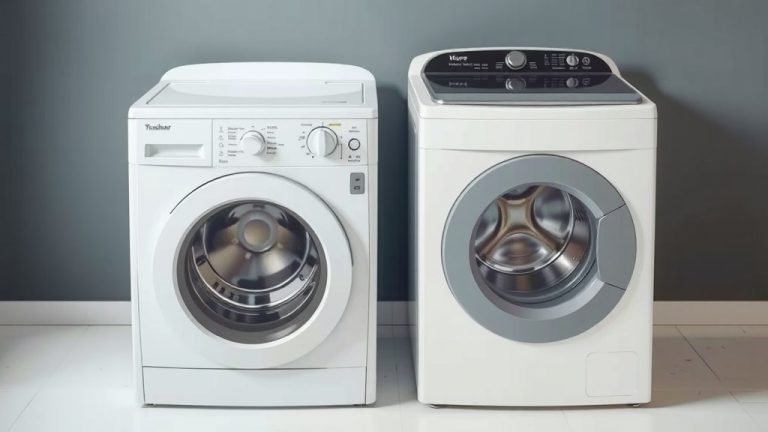
Traditional top-load washing machines are often lighter than their front-load counterparts. They typically weigh between 130 and 180 pounds. This is partly because their design doesn’t require the same type of heavy-duty door seal that front-loaders need. The simpler mechanism and lid design contribute to a lower overall weight. However, some high-efficiency (HE) top-loaders are getting heavier as they incorporate more advanced features and build quality.
Front-Load Washers
Front-load washing machines generally tip the scales at the higher end. You can expect most front-loaders to weigh between 170 and 250 pounds, with some premium models even exceeding this. Why the extra weight? Front-loaders often have a more robust door, a heavier drum that tumbles clothes differently, and advanced suspension systems to counteract the intense spinning forces. This added mass helps them stay grounded during high-speed spin cycles, reducing shaking.
Compact and Portable Washers
If you’re short on space or need something easy to move, compact or portable washing machines are an option. These are significantly lighter, often weighing between 40 and 100 pounds. Their smaller size and simpler construction mean fewer heavy components. While convenient, they usually have smaller capacities and may not offer the same cleaning power or durability as full-sized models.
| Washing Machine Type | Average Weight Range (lbs) |
|---|---|
| Top-Load (Standard) | 130 – 180 |
| Top-Load (HE) | 150 – 200 |
| Front-Load | 170 – 250 |
| Compact/Portable | 40 – 100 |
Why Does Weight Matter So Much?
The weight of your washing machine isn’t just a number; it’s a critical factor for several reasons.
Stability and Vibration Reduction
A heavier machine has a lower center of gravity. This makes it more stable during operation. During the high-speed spin cycle, the drum rotates at hundreds of RPMs. Without sufficient weight and a good suspension system, the machine would vibrate violently. Manufacturers use mass to absorb and dissipate these vibrations, leading to a quieter and smoother wash. Research indicates that proper weight distribution and dampening are key to minimizing appliance noise (Consumer Reports).
Durability and Longevity
Often, a heavier washing machine suggests better build quality. More substantial materials and a sturdier frame can withstand the rigors of daily use for longer. Think of it like a sturdy piece of furniture versus a flimsy one. The heavier appliance is less likely to warp or break down over time. This can translate into fewer repairs and a longer lifespan for your investment.
Moving and Installation Considerations
This is where the weight becomes incredibly practical. If you’re moving house or simply replacing an old unit, you need to know how heavy the machine is. A 200-pound appliance is not a one-person job. You’ll need proper moving equipment, like a dolly or hand truck, and likely some help from friends or professionals. Always check the weight before you attempt to lift or move it yourself.
Tips for Handling a Heavy Washing Machine
So, you’ve got a beast of a machine to move. What’s the plan?
- Assess the route: Plan your path from the laundry room to the exit.
- Gather supplies: You’ll need a heavy-duty appliance dolly, straps, and possibly moving blankets.
- Get help: Never try to move a washing machine alone. Recruit at least one strong friend or hire professionals.
- Secure the load: Use straps to firmly secure the machine to the dolly.
- Go slow and steady: Take your time, especially on stairs or uneven surfaces.
- Protect your floors: Lay down cardboard or blankets to prevent scratches.
Conclusion
So, we’ve seen that washing machines are quite hefty appliances, typically weighing between 150 and 200 pounds for standard models. This weight isn’t just dead mass; it’s essential for keeping your washer stable and quiet during those demanding spin cycles. Whether you have a top-loader or a front-loader, understanding its weight is crucial, especially when it’s time to move or install a new unit. Don’t underestimate the heft – always plan for help and the right equipment to move yours safely. Your back will thank you!
Frequently Asked Questions
How much does a typical new washing machine weigh?
Most standard new washing machines weigh between 150 and 200 pounds. Front-load models tend to be on the heavier side of this range, often reaching up to 250 pounds due to their robust construction and advanced features. Top-load models are usually a bit lighter.
Are front-load washing machines heavier than top-load machines?
Yes, generally speaking, front-load washing machines are heavier than most top-load models. This extra weight comes from their more durable drum design, reinforced doors, and sophisticated suspension systems needed to handle high-speed spins and prevent excessive shaking.
Will a heavier washing machine be more durable?
Often, a heavier washing machine indicates better build quality and more substantial materials, like thicker steel frames. This can translate to increased durability and a longer lifespan for the appliance. While weight isn’t the only factor, it’s frequently a good indicator of robust construction.
What’s the weight of a compact or portable washing machine?
Compact and portable washing machines are designed for smaller spaces and easier movement, making them much lighter. You can typically expect these models to weigh between 40 and 100 pounds, which is significantly less than their full-sized counterparts.
Is it safe to move a washing machine by myself?
No, it is generally not safe to move a washing machine by yourself. Most washing machines weigh 150 pounds or more, making them extremely difficult and dangerous to lift or maneuver alone. Always recruit at least one other person or consider hiring professional movers.