Why American Washing Machines Are Top Loading
American washing machines are predominantly top-loading because of a long history rooted in user preference and early appliance design. For decades, this style was the most common and familiar type of washing machine in U.S. households, making it the standard that manufacturers continued to produce to meet consumer demand. It’s simply what Americans grew up with.
This preference isn’t just about familiarity, though. Top-loaders have often been seen as easier to load and more forgiving for those who may have trouble bending over. We found that the simplicity of the design also played a role in their continued popularity for a significant period.
- Top-loaders are common due to long-standing user preference.
- Early appliance design established the top-loading as standard.
- They are often perceived as easier to load.
- Familiarity and ease of use are key factors.
Let’s dive into why this trend has been so persistent and what makes top-loading washing machines a familiar sight in so many American homes.
Why Americans Favor Top-Loading Washing Machines
You’ve probably noticed that most washing machines in American homes are the top-loading kind. There’s a good reason for this long-standing trend. It boils down to a mix of historical design choices and what people are used to. For many years, this style was the go-to option in households across the country.
Manufacturers kept making them because that’s what consumers wanted and expected. It’s the machine many of us grew up with, so it feels familiar and comfortable. Let’s look closer at the factors that kept this design so popular for so long.
A Look Back: Early Washing Machine Design
The story of the American washing machine is closely tied to its early development. When washing machines first started appearing in homes, the top-loading design was the most straightforward to engineer. Early models were relatively simple machines.
They often had a central agitator that helped move clothes through the water. This basic mechanism was effective and easy for manufacturers to produce at scale. Because this was the initial design, it set the stage for what people would come to expect.
The Agitator’s Reign
The agitator is a key feature of many traditional top-loading washers. It’s that tall, finned post you see in the middle of the drum. This part is responsible for stirring clothes around to get them clean.
Research and found that this type of mechanical action was considered very effective for removing dirt and stains. It was a direct and powerful cleaning method that consumers appreciated. The agitator helped define what a “clean” load of laundry meant for generations of Americans.
Simplicity and Cost
Beyond just cleaning power, the design of early top-loaders was also about practicality. The simpler mechanics meant they were generally less expensive to build than more complex designs might have been. This affordability made them accessible to more households.
When something works well and is easy on your wallet, it tends to stick around. This was certainly true for the top-loading washing machine in the U.S. market. It offered a good balance of performance and cost.
User Experience and Familiarity
One of the biggest drivers of top-loader preference is simply how people use them. For many, the ease of loading clothes from the top is a significant advantage. You don’t have to bend down as much compared to a front-loader.
This makes a difference, especially for individuals with back or knee issues. It’s also just a more natural posture for some people when adding or removing laundry. The familiarity factor can’t be overstated either; if it’s what you’ve always used, it’s what you’ll likely continue to buy.
The “Set It and Forget It” Appeal
Top-loading machines often feel very intuitive to operate. You open the lid, toss in your clothes, add detergent, select your cycle, and start. Many users appreciate this straightforward approach. It’s a simple, user-friendly process that doesn’t require much thought.
We found that this ease of use is a major selling point. People want their chores to be as uncomplicated as possible. The top-loader delivers on that promise by being easy to load and operate from start to finish. Plus, if you forget a sock, you can often open the lid mid-cycle and toss it in, which is a convenience many users enjoy.
Perceived Durability and Reliability
There’s a long-held belief among many consumers that top-loading machines are simply more durable. Perhaps it’s because the mechanism, especially with the agitator, seems robust. Or maybe it’s just that people have had them for years without issues, leading to a perception of long-lasting performance.
While modern front-loaders are also built to last, this perception of toughness sticks with top-loaders. Many consumers feel they are a reliable choice for everyday use. This sense of dependability is a powerful factor in purchasing decisions.
The Rise of High-Efficiency (HE) Top-Loaders
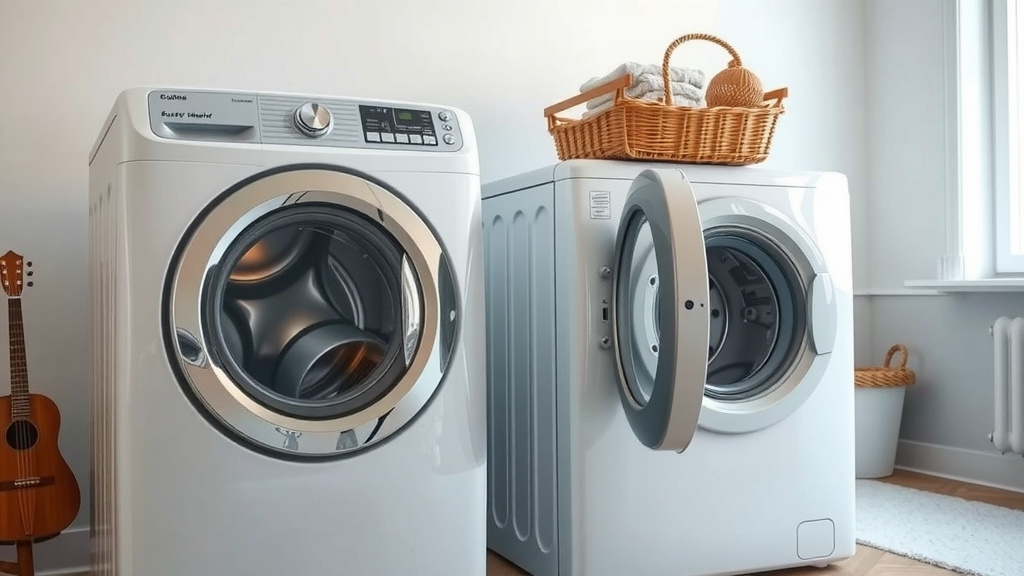
It’s important to note that the top-loading world hasn’t stood still. While traditional agitator models are still around, high-efficiency (HE) top-loaders have become very popular. These machines are designed to use less water and energy.
They often have impellers instead of agitators. These are low-profile discs at the bottom of the drum that create water currents to move clothes. They are gentler on fabrics and more water-conscious.
Water and Energy Savings
HE top-loaders offer a middle ground for consumers. They provide the familiar top-loading design but with the improved efficiency that many people now look for. They use significantly less water than older models, which can lead to lower utility bills.
This focus on efficiency aligns with broader consumer trends toward more sustainable choices. We found that the water savings alone is a compelling reason for many to upgrade. They offer a responsible way to wash clothes.
Basket Design Innovations
Manufacturers have also improved the tub design in HE top-loaders. Many now feature larger capacities, allowing you to wash more in a single load. Some designs have also been optimized to prevent tangling and reduce wear and tear on your clothes.
These innovations help address some of the concerns people had about the effectiveness of impeller-based cleaning. They’ve worked to combine the best aspects of old and new in these machines.
What Makes Top-Loaders the American Standard? A Quick Checklist
Thinking about why top-loaders are so prevalent? Here’s a quick rundown of the key reasons:
- Historical precedent: They were the first widely adopted design.
- Ease of loading: No need to bend down excessively.
- Familiar operation: Most people know how to use them instantly.
- Perceived durability: A long-standing reputation for being tough.
- Affordability: Often come with a lower upfront cost.
- Adaptation: Evolved into HE models with better efficiency.
Conclusion
So, why are top-loading washing machines the standard in American homes? It’s a blend of history, convenience, and what you’re used to. Early designs made them simple and affordable. Over time, this became the familiar choice for most households. Even as technology advanced, the top-loader adapted, offering high-efficiency models. This balance of tradition and modern needs keeps them popular. If you’re considering a new washer, think about what matters most to your laundry routine. You might find a top-loader still fits your needs perfectly.
Frequently Asked Questions
Are top-loading washing machines still made in the US?
Yes, top-loading washing machines are still widely manufactured and sold in the United States. Many brands continue to produce both traditional agitator models and newer high-efficiency (HE) versions to meet ongoing consumer demand.
Do top-loaders clean clothes as well as front-loaders?
Traditional top-loaders with agitators are known for powerful cleaning, though they can be harsher on clothes. HE top-loaders with impellers offer good cleaning while being gentler. Front-loaders are also very effective, often using less water and tumbling action.
Is it true that top-loading washers are more prone to breaking?
Historically, some people perceived top-loaders as more durable due to their simpler mechanics. However, modern washing machines, both top and front-loading, are built with complex electronics. Reliability can vary by brand and model, so checking reviews is key.
Why do Americans prefer top-loaders over front-loaders for convenience?
The primary convenience factor for top-loaders is the ease of loading. You don’t need to bend down as much, which is easier on your back and knees. Plus, many find the operation more intuitive and familiar from past experience.
Are HE top-loaders better for the environment than older models?
Yes, high-efficiency (HE) top-loaders are significantly better for the environment. They use much less water per cycle, which conserves a valuable resource and can lower your utility bills. They also tend to be more energy-efficient.