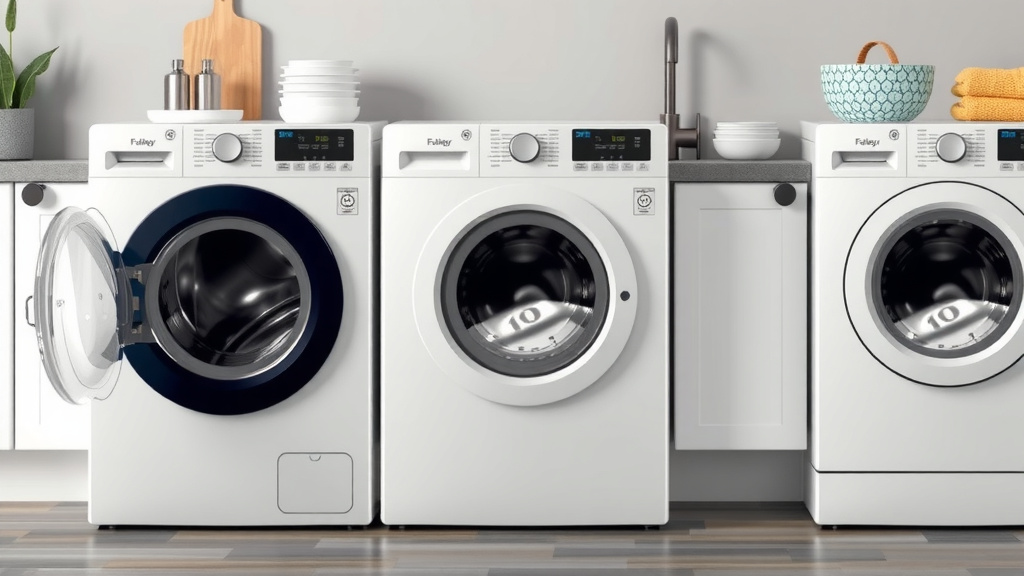
How to Buy the Best Washing Machine for Your Home
Buying the best washing machine means finding one that fits your budget, laundry needs, and space. Look for the right capacity and cycle options that suit your household’s typical loads. Consider energy efficiency to save on utility bills long-term.
Many factors go into choosing a great washing machine, from front-load versus top-load designs to smart features. We found that understanding your personal preferences and the available technology makes a big difference. It’s not just about clean clothes; it’s about finding a reliable appliance that makes life easier.
- Consider capacity for your family size.
- Front-load vs. top-load has pros and cons.
- Energy efficiency saves money.
- Smart features can add convenience.
- Budget impacts available models.
Let’s walk through exactly how to pick the perfect washing machine for your home, step by step.
Your Guide to Selecting a Top-Tier Washing Machine
Finding the right washing machine can feel like a daunting task. You want something that cleans effectively, lasts a long time, and doesn’t break the bank. We’ve researched what makes a washing machine truly great for your home.
Understanding Your Laundry Needs
Before you even look at models, think about your household’s laundry habits. How much laundry do you typically do each week? Do you have kids who generate mountains of clothes? Or is it just you and a partner? This will help you determine the ideal capacity you’ll need.
Washing Machine Capacity Explained
Washing machine capacity is measured in cubic feet. It tells you how much laundry the drum can hold. A good rule of thumb is to consider 1.5 to 2.0 cubic feet for every person in your household.
A smaller capacity might work for singles or couples. You’ll likely need a larger one for families. Large capacity machines mean fewer loads. This can save you time and energy in the long run. We found that opting for a slightly larger machine often prevents frustration later.
Common Wash Cycles You’ll Use
Most washing machines come with a variety of cycles. You’ll probably use a few core ones most often. Think about what types of fabrics and soil levels you deal with regularly.
Basic cycles include:
- Normal/Regular: For everyday cottons and synthetics.
- Delicates: For lacy items, silks, and lingerie.
- Heavy Duty: For heavily soiled items like work clothes or bedding.
- Permanent Press: To help reduce wrinkles on synthetic blends.
Some machines offer specialized cycles like Sanitize, Steam, or Allergen removal. These can be beneficial if you have specific needs. For instance, a Sanitize cycle can kill bacteria, which is great for baby clothes or towels (Cleveland Clinic).
Front-Load vs. Top-Load: Which is Right for You?
This is a big decision! Both front-load and top-load washing machines have their own advantages and disadvantages. Your choice might depend on your budget, how you prefer to load laundry, and even your back!
The Case for Front-Load Washers
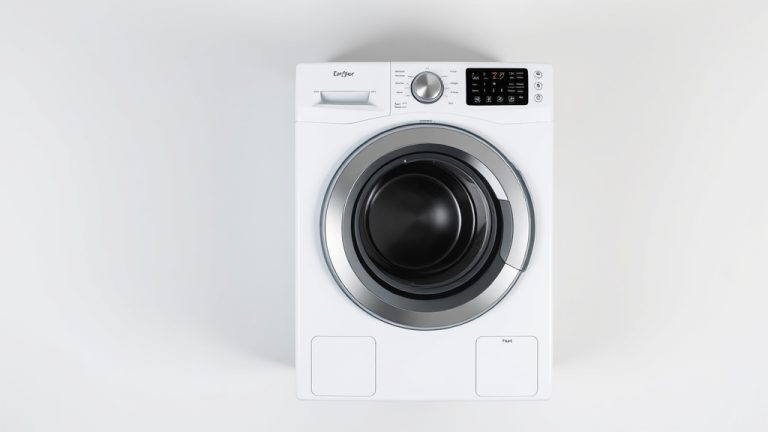
Front-load washers typically use less water and energy. They are also gentler on clothes. This can lead to better fabric care over time. Many find they get clothes cleaner too. They often spin faster, extracting more water. This means shorter drying times, saving you energy on your dryer.
On the flip side, front-loaders can be more expensive upfront. They also tend to have longer wash cycles. You might need to bend down to load and unload them, which can be tough for some people.
The Appeal of Top-Load Washers
Top-load washers are generally more affordable. They offer quicker wash cycles. You can also add forgotten items mid-cycle. This is a big convenience for many.
There are two types of top-loaders: those with an agitator (the central post) and high-efficiency (HE) models without one. Agitator models are known for being tough on stains but can be rougher on clothes. HE top-loaders use less water and are gentler, similar to front-loaders. However, some research suggests they may not clean as thoroughly as front-loaders on heavily soiled items.
Here’s a quick comparison:
| Feature | Front-Load | Top-Load (Agitator) | Top-Load (HE No Agitator) |
|---|---|---|---|
| Energy/Water Usage | Lowest | Highest | Medium |
| Cleaning Performance | Excellent | Good (tough on stains) | Good |
| Gentle on Clothes | Excellent | Fair | Good |
| Cycle Time | Longest | Shortest | Medium |
| Adding Items Mid-Cycle | Difficult/Impossible | Easy | Difficult/Impossible |
| Cost | Highest | Lowest | Medium |
Energy Efficiency: Saving Money and the Planet
Washing machines use a lot of electricity and water. Look for the ENERGY STAR certification. These models meet strict energy efficiency guidelines set by the U.S. Environmental Protection Agency (EPA).
ENERGY STAR certified washing machines use about 15% less energy and 25% less water than regular models. Over the lifespan of the appliance, this can add up to significant savings on your utility bills. We found that the initial cost difference is often recouped quickly through lower operating expenses.
Smart Features and Convenience Factors
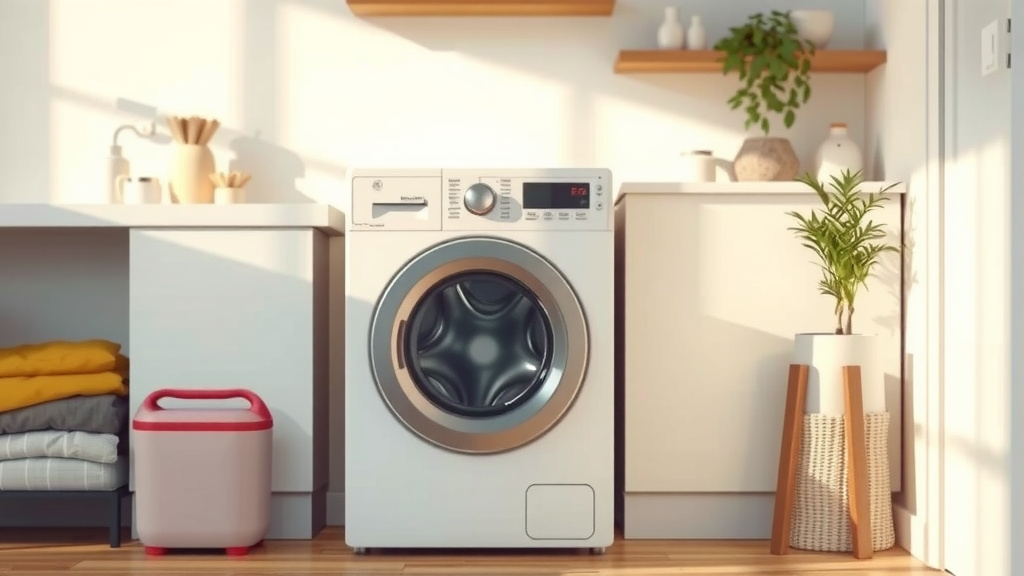
Today’s washing machines offer a range of smart features. Some can connect to your home Wi-Fi network. You can then control them with a smartphone app.
What can these apps do? You might get notifications when a cycle is done. Some allow you to start, stop, or schedule washes remotely. Others can even diagnose problems. While not essential for everyone, these features add a layer of modern convenience. If you’re looking for ease of use, they’re worth considering.
Considering Your Budget and Brand Reputation
Washing machines range in price from a few hundred dollars to over $2,000. Set a budget before you start shopping. This will help narrow down your options.
Beyond price, consider brand reputation. Some brands are known for reliability and good customer service. We found that reading reviews from multiple sources can offer a balanced view of a brand’s performance. Look for brands that have a long track record.
Installation and Space Considerations
Measure the space where your new washing machine will go. Don’t forget to account for the doors opening. You’ll also need clearance for the hoses and electrical outlet.
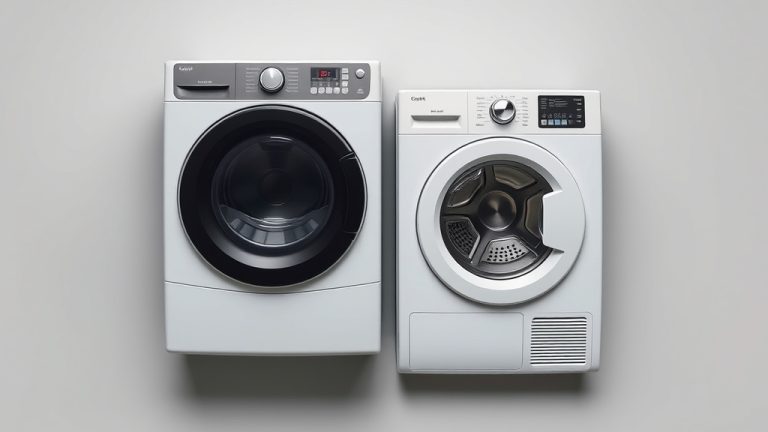
Most standard washers are about 27 inches wide. Height and depth can vary. If you have a tight space, consider a stackable washer-dryer unit or a more compact model. Proper installation is key for performance and safety. Many retailers offer installation services for a fee.
Your Washing Machine Buying Checklist
To recap, here’s a quick checklist to help you make your final decision:
- Determine your needed capacity based on household size.
- Decide between front-load or top-load design.
- Identify the essential wash cycles for your needs.
- Look for ENERGY STAR certification for savings.
- Set a realistic budget for your purchase.
- Measure your laundry space carefully.
Conclusion
You’ve now got a clear path to finding your perfect washing machine. Remember to start by understanding your household’s unique laundry habits and space constraints. Weigh the pros and cons of front-load versus top-load designs carefully. Always look for ENERGY STAR certification to save on utility bills. By focusing on capacity, essential cycles, and your budget, you’ll make a confident choice. Take these steps, and you’ll soon enjoy cleaner clothes with a reliable machine that makes your life easier.
Frequently Asked Questions
What’s the biggest difference between HE top-loaders and agitator top-loaders?
HE (High-Efficiency) top-loaders use less water and are gentler on clothes, similar to front-loaders. Agitator models have a central post that helps scrub clothes but can be rougher and use more water.
How often should I clean my washing machine?
It’s a good idea to clean your washing machine drum monthly. You can use a specialized washing machine cleaner or run a hot cycle with vinegar or bleach.
Are smart washing machines worth the extra cost?
Smart features offer convenience, like remote control and cycle notifications. Whether they’re “worth it” depends on your lifestyle and budget. If you value connectivity and convenience, they can be a great addition.
Can I put a washing machine in a small space?
Yes, you can! Measure your space carefully and consider compact models or stackable washer-dryer units if space is very limited. Ensure you have clearance for doors and hookups.
What does washing machine capacity really mean for me?
Capacity, measured in cubic feet, tells you how much laundry the drum can hold. A larger capacity means you can wash bigger loads, reducing the number of cycles you need to run, which saves time and energy.