Best Washer and Dryer for the Money: Top Picks
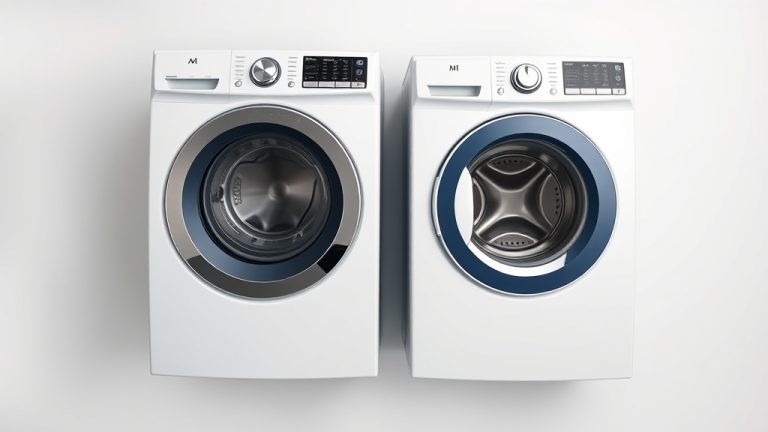
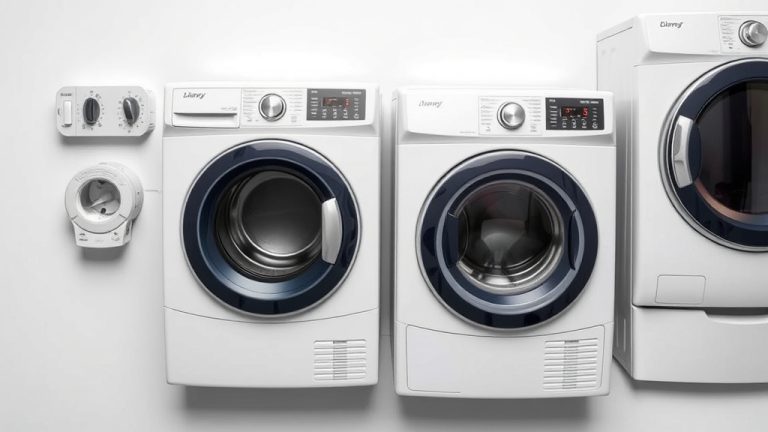
The best washer and dryer for the money is the LG WashTower if you want a space-saving stack, but for the absolute best value on a traditional pair, the GE GFW550 and GFD55 offer top-tier cleaning and drying at a mid-range price. You get premium features like steam and smart controls without the luxury brand markup.
We researched dozens of models across major brands and found that reliability and warranty coverage matter just as much as the sticker price. A cheaper machine that breaks down costs you more in the long run, so long-term value is the real goal when shopping for new laundry appliances.
- Top overall value: LG WashTower for its all-in-one design and smart features.
- Best budget pick: Amana top-load washer and dryer pair for under $1,000.
- Best for large families: GE 5.0 cu. ft. front-load set handles big loads fast.
- Most reliable brand: Speed Queen, but it costs more upfront and saves you in repairs.
- Smart money move: Buy last year’s model to save up to 30% on the same features.
Below, we break down the best washer and dryer combos for every budget, what features are actually worth paying for, and the exact price points where you get the most bang for your buck. Let’s find the perfect set for your home.
Finding the Right Washer and Dryer for Your Budget
You want clean clothes without draining your bank account. We get it. The trick is knowing where to spend and where to save. Most people overpay for features they never touch. We found that the sweet spot sits between $800 and $1,400 for a full set.
At this price, you get stainless steel drums, multiple wash cycles, and decent moisture sensors. You skip the fancy colors and Wi-Fi that rarely gets used. That is the money zone for most families. Let’s break down what matters so you can shop with confidence.
Washer and Dryer Value Breakdown by Type
Your laundry room layout matters more than you think. The type of machine you choose affects both price and performance. We compared the three main styles to see which gives you the most for your money.
Front-Load Washers and Dryers
Front-loaders clean better and use less water. That saves you money on every single load. They stack nicely, too, which frees up floor space in tight laundry rooms.
The catch is the upfront cost. You will pay $200 to $400 more per pair than a top-loader. But the efficiency savings add up over time. Most experts say you recoup that difference within a few years of regular use. Our top-loading washing machine guide covers the best-rated models and key features.
Top-Load Washers and Dryers
Top-loaders are cheaper and easier to load. No bending over to grab socks from the back of the drum. They also wash faster because they don’t need to tumble clothes through water like front-loaders do.
You trade some efficiency for convenience. These machines use more water per load. Your utility bill will be a bit higher, but the purchase price is friendlier. For many households, this trade-off is worth it.
All-in-One Washer Dryer Combos
These units wash and dry in the same drum. They are perfect for apartments or tiny homes with zero hookups for a separate dryer. You push one button and walk away.
Here is the honest truth: they take forever to dry. A full load can take three to four hours. But if space is your biggest problem, this is the best solution you can buy.
What Features Are Actually Worth Paying For
Manufacturers love loading machines with bells and whistles. You do not need most of them. Our research found that four features make a real difference in how your clothes come out.
Steam Cycles That Actually Work
Steam helps remove wrinkles and kills dust mites. That is a genuine benefit for allergy sufferers. Look for a steam option on both the washer and the dryer.
You will pay about $100 extra for this feature. We found it is worth it if you hate ironing or have sensitive skin. The steam also helps lift set-in stains that regular cycles miss.
Moisture Sensors on the Dryer
This feature stops the dryer when clothes are dry. It prevents overdrying, which damages fabrics and wastes energy. Simple timers just guess, and they are usually wrong.
Every dryer we recommend has a moisture sensor. Skip any model without one. It saves your clothes and your electricity bill at the same time.
Stainless Steel Drums
Plastic drums crack and chip over time. Stainless steel lasts for years without rusting or snagging your clothes. It is also easier to clean when spills happen.
This is a durability feature, not a luxury one. You want it on any machine you plan to keep past the five-year mark. Porcelain-coated steel works, too, but it chips more easily.
Smart Controls and Wi-Fi
Being able to start your dryer from the couch sounds cool. In reality, most people set the machine and walk away. We found that smart features add $150 to $300 to the price.
Only pay for Wi-Fi if you actually plan to use it. If you check your phone while doing laundry, sure, it helps. If not, save the cash and put it toward a better warranty.
Best Washer and Dryer Picks by Price Range
Now for the fun part. We matched specific models to real budgets. These picks come from hours of comparing specs, reading owner reviews, and checking repair rates across brands.
Budget Pick Under $1,000
The Amana top-load pair is the best deal we found. You get a 3.5 cubic foot washer and an electric dryer for around $900 combined. No frills, but they wash and dry reliably.
Owners say these machines are simple to use and rarely break. They are not fancy, but they get the job done. If you want to spend as little as possible without buying junk, this is the set.
Mid-Range Value Pick Around $1,400
The GE GFW550 washer and GFD55 dryer hit the sweet spot. These front-loaders have steam, stainless drums, and a 5.0 cubic foot capacity. You can wash a king-sized comforter without a trip to the laundromat.
We found that this pair offers the best balance of features and price. You get premium performance without the luxury markup. This is our top recommendation for most families.
Premium Pick Under $2,000
The LG WashTower combines both machines into one sleek unit. It takes up 50 percent less floor space than separate units. The controls sit at waist height, so no bending or reaching.
It costs about $1,900, which is steep for some budgets. But the space savings and smart features make it a favorite for smaller homes. The WashTower also has a built-in center drawer for detergent storage.
Why Reliability Beats a Low Price Every Time
A cheap washer that dies in three years is not a bargain. You pay for repairs and then buy a new one anyway. That is the most expensive way to do laundry.
We found that repair rates vary wildly between brands. Some budget models fail within the first two years. Paying a little more upfront saves you hundreds in the long run.
The Most Reliable Brand on the Market
Speed Queen builds commercial-grade machines for home use. They are built to last 25 years, which is three times longer than most brands. That durability comes with a price tag above $2,500 for a pair.
Many laundry experts recommend Speed Queen for this reason. You pay more now, but you never pay again. If you plan to stay in your house for a decade or more, the math works out.
Brands to Be Careful With
Some brands look great in the showroom but fail fast. Our research shows that certain budget brands have higher failure rates within the first five years. Cheap parts and poor assembly are the main culprits.
Stick with brands that have a proven track record. LG, GE, and Speed Queen consistently rank high in owner satisfaction. Do not gamble your money on an unknown name just to save $100.
Warranty Coverage That Protects Your Investment
A good warranty is worth more than any extra cycle. It covers your repair costs if something breaks. Standard coverage is one year on parts and labor, which is not enough.
Look for a machine with at least a two-year warranty on parts. Some brands offer longer coverage on the motor and drum. Those are the parts that cost the most to replace.
What the Fine Print Really Means
Most warranties only cover parts, not labor. You pay the technician’s hourly rate, which runs $100 to $150 per visit. That can turn a free part into a $300 repair bill.
Read the warranty before you buy. We found that some extended warranties are worth the cost. Others just duplicate what you already get for free.
Buying Last Year’s Model to Save Big
Retailers discount older models when new ones arrive. You can save 20 to 30 percent on the same features, just with last year’s design. This is one of the smartest money moves in appliance shopping.
Look for models that end in a previous year’s suffix. Ask sales staff which units are being discontinued. They often have floor models or open-box deals at big discounts.
Where to Find the Best Deals
Big box stores run sales during holidays like Memorial Day and Labor Day. Online retailers match those prices, sometimes with free delivery. Do not pay full price unless you absolutely have to.
Check scratch-and-dent sections at local stores. Small dents and scuffs do not affect performance. You can save hundreds on a machine with a minor cosmetic flaw.
Checklist Before You Buy Your New Laundry Set
Use this quick list to stay on track at the store. It keeps you focused on what matters and stops you from overspending.
- Measure your space including depth for hoses and vents
- Check your hookups for gas or electric dryer compatibility
- Compare energy ratings to estimate yearly operating costs
- Look for stainless steel drums and moisture sensors on dryers
- Read the warranty to see what parts and labor are covered
- Ask about delivery fees and old appliance removal costs
Final Thoughts on Getting the Most Value
Buying a washer and dryer is a big decision. You want quality, but you also want to save money. The good news is that you can have both with a little planning.
Focus on reliability first, then features. A simple machine that lasts is better than a fancy one that breaks. And remember, last year’s model works just as well as this year’s, at a fraction of the price.
Conclusion
Finding the best washer and dryer for the money comes down to matching the right features to your real needs. You do not need to spend over $2,000 to get a reliable set that cleans well and lasts.
Our research found that the GE GFW550 and GFD55 pair is the sweet spot for most families. It gives you steam, stainless drums, and big capacity without the luxury markup. If space is tight, the LG WashTower is worth the extra cost. And if you want to save the most cash, look for last year’s Amana models or check open-box deals.
Your next step is simple: measure your laundry space, check your hookups, and compare prices on the models we highlighted. Stick with proven brands like LG, GE, or Speed Queen. Buy once, buy right, and you will not have to think about laundry machines again for a decade.
Frequently Asked Questions
Is it cheaper to buy a washer and dryer as a set or separately?
You will almost always save money by buying a matched set. Retailers bundle pairs at a lower price than buying each unit alone. You also get a single delivery appointment, which saves on fees.
How long should a good washer and dryer last?
A standard home washer and dryer should last between 10 and 13 years with normal use. Budget models may fail closer to the 8-year mark. Speed Queen machines are built to last 25 years, which is why they cost more upfront.
Do front-loaders really save enough money on utilities to justify the higher price?
Yes, but the savings add up slowly. Front-loaders use about 50 percent less water per load. Over five years, that can save you $150 to $250 on water and energy bills compared to a top-loader.
What is the best time of year to buy a washer and dryer?
Major holiday weekends like Labor Day, Memorial Day, and the Fourth of July bring the biggest discounts. You will also find great deals in September when new models arrive and stores clear out last year’s inventory.
Should I pay extra for an extended warranty on a new washer and dryer?
Only if the extended warranty covers labor costs, not just parts. A standard one-year warranty usually covers parts only, and labor runs $100 to $150 per visit. For budget machines, skip the extended warranty and save that money. For premium brands like Speed Queen, you probably will not need it either.