Biggest Washing Machine Size: What You Need to Know
When asking about the biggest washing machine size, you’re likely looking for a commercial-grade or industrial unit. These machines are designed for laundromats or large facilities, not typical homes. Standard residential machines have limits, but these giants offer much larger capacities for businesses handling heavy volumes of laundry. You won’t find these in a typical apartment.
These oversized washers can handle loads weighing hundreds of pounds. They are built with robust materials to withstand constant use. Many people wonder if such large machines exist for home use, but their primary market is commercial. You might see them in hotels or large apartment complex laundry rooms.
- The biggest washing machines are typically commercial or industrial units.
- They aren’t designed for home use and have much larger capacities.
- These giants can handle hundreds of pounds of laundry per load.
- You’ll find them in laundromats, hotels, and large apartment buildings.
Let’s walk through what makes these machines the biggest and whether they might ever be an option for your needs.
Understanding the Largest Washing Machine Capacities
When you’re thinking about the biggest washing machine sizes, you’re likely picturing something far beyond what fits in a typical laundry room. We’re talking about machines that handle loads you’d typically find at a busy laundromat or a large commercial facility. These aren’t your standard, apartment-friendly appliances. They are built for volume and continuous use, designed to tackle massive amounts of laundry day in and day out.
What Defines a “Big” Washing Machine?
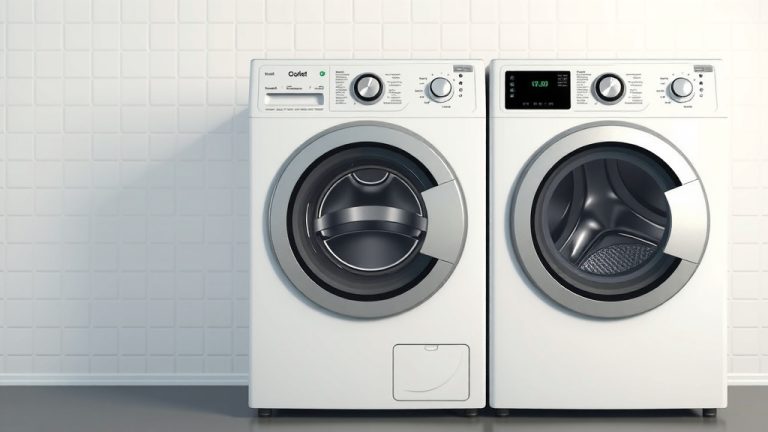
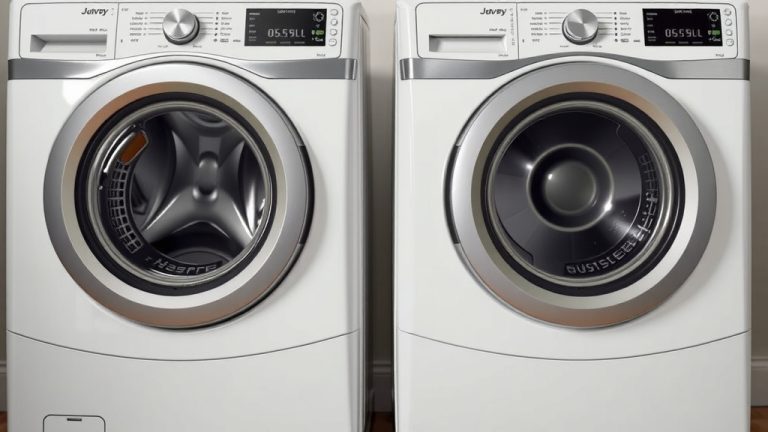
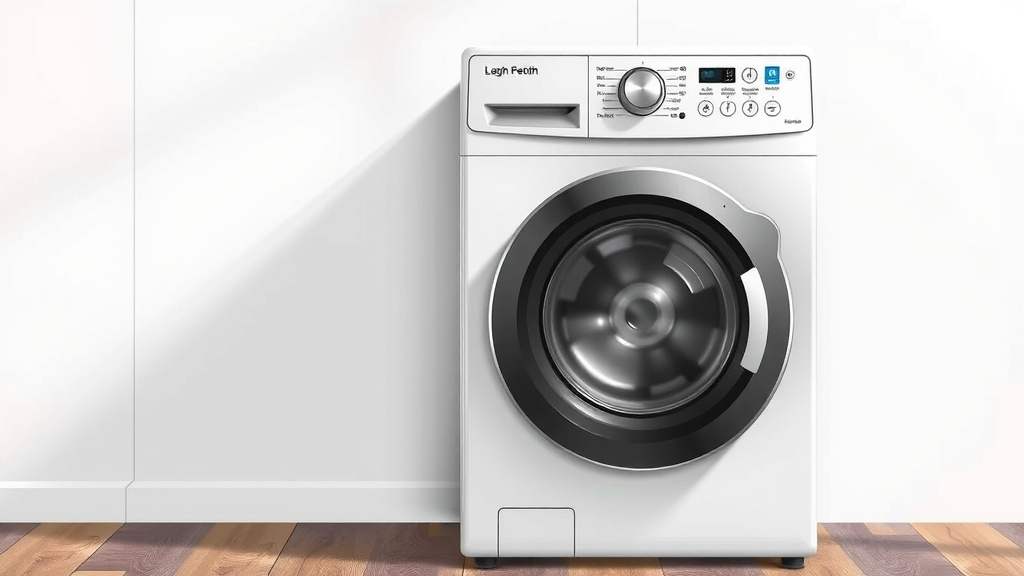
For residential use, a large capacity washing machine usually means something around 5.0 to 5.5 cubic feet of drum space. This can handle about 15 to 20 pounds of laundry per load, which is quite substantial for a family. But when we move into commercial or industrial sizes, the numbers jump dramatically. These machines can easily handle hundreds of pounds of laundry per cycle, a world away from home use.
Residential vs. Commercial Capacity
Let’s put this into perspective. A typical king-size comforter might push the limits of a large home washing machine. These commercial giants can wash multiple king-size comforters, stacks of towels, or industrial uniforms all at once. The internal drum volume is measured in much larger cubic feet, often starting where residential machines leave off and going much, much higher. For instance, a large commercial top-loader might be 3.5 cubic feet, but the really big ones start around 50 pounds and go up from there.
The True Giants: Industrial and Commercial Washers
The absolute biggest washing machines you’ll find are in the commercial and industrial categories. These are built for businesses that have laundry as their primary function. Think of large hotels, hospitals, correctional facilities, or even specialized textile cleaning operations. These machines are engineered for durability and extreme capacity. They often feature reinforced drums, heavy-duty motors, and robust chassis to withstand constant operation and the stress of very heavy loads.
Capacity Metrics for Commercial Machines
Commercial washing machines are typically rated by weight capacity rather than just drum volume. You’ll see classifications like 25-pound, 50-pound, 75-pound, and even 100-pound (or more) machines. A 100-pound washing machine, for example, can hold an astonishing amount of laundry. This capacity metric is crucial for businesses that need to calculate efficiency and throughput for their operations. It’s not just about fitting more clothes; it’s about processing laundry in bulk.
Where Do You Find These Mammoth Machines?
You won’t find these industrial behemoths at your local big-box appliance store. They are typically sold through specialized commercial equipment suppliers. Many are installed in dedicated laundry rooms within larger establishments. Hotels, for instance, often have on-site laundry facilities equipped with these large-capacity washers and dryers to handle their daily linen and towel needs efficiently. Some very large apartment complexes might also have them in their shared laundry rooms.
Laundromats and Self-Service Facilities
Laundromats are another common place to encounter bigger washing machines. While you might see some standard residential-sized units, many laundromats invest in commercial-grade machines with larger capacities. This allows them to serve more customers and handle larger loads, making their business more profitable. These machines are built to be coin-operated and require minimal maintenance for their heavy-duty cycles.
Technical Differences: What Makes Them So Big?
The size difference isn’t just about a bigger drum. Industrial washers are designed with significantly more robust components. The motors are more powerful to turn heavy, wet loads. The suspension systems are heavy-duty to absorb vibrations from large, unbalanced loads. The water inlet valves and pumps are larger to fill and drain these massive drums quickly. The overall construction uses thicker steel and industrial-grade seals to ensure longevity under constant use. Many have specialized water heating capabilities integrated into the machine itself.
Energy and Water Considerations
While these machines are built for capacity, they are also engineered for efficiency in a commercial setting. Modern commercial units often incorporate advanced water-saving technologies and energy-efficient heating systems. They aim to reduce operational costs for businesses. However, a single cycle in a massive industrial washer will naturally use more water and energy than a residential machine, simply due to the sheer volume it processes. The key is that they process a much larger volume of laundry per unit of time and resources.
Could You Ever Own One for Home Use?
For most households, owning an industrial-sized washing machine is impractical and unnecessary. The space requirements alone can be prohibitive; these machines are often much larger in overall footprint, not just drum capacity. Installation can also be complex, often requiring specific electrical, plumbing, and ventilation hookups that go beyond standard home setups. Plus, the sheer power consumption might be too much for a typical home’s electrical system.
When Might a Larger Residential Machine Suffice?
If you have a very large family, frequently wash bulky items like bedding or large sports equipment, or live in a multi-generational home, a high-capacity residential machine (5.0 to 5.5 cubic feet) might be a great fit. You can still wash a good amount of laundry at once without needing an industrial unit. For example, we found that a family of five could often manage their weekly laundry with one or two loads in a large residential machine (Cleveland Clinic).
Let’s consider a quick comparison to help you visualize the scale:
| Machine Type | Typical Drum Capacity (Cubic Feet) | Approximate Laundry Weight (Pounds) |
|---|---|---|
| Standard Residential | 3.0 – 4.0 | 8 – 12 |
| High-Capacity Residential | 4.5 – 5.5 | 15 – 20 |
| Small Commercial | 6.0 – 8.0 | 25 – 35 |
| Large Commercial/Industrial | 10.0+ | 50 – 100+ |
Key Takeaways for Your Washing Needs
Ultimately, understanding the biggest washing machine sizes means recognizing the difference between residential convenience and commercial necessity. For most of us, the goal is finding the largest capacity that efficiently fits our home and our laundry habits.
- Consider your typical load size: how much laundry do you do?
- Think about bulky items: do you wash large comforters often?
- Evaluate your space: can a larger machine fit comfortably?
- Check utility hookups: can your home support a higher-capacity machine?
- Look at efficiency ratings: larger doesn’t always mean less efficient per pound of laundry.
Conclusion
You’ve learned that the biggest washing machines are primarily commercial or industrial units, far surpassing anything found in a typical home. These giants are built for heavy-duty use, capable of handling hundreds of pounds of laundry per cycle. While large residential machines offer ample capacity for most families, true industrial models serve businesses like hotels, hospitals, and laundromats. Consider your household’s actual laundry needs and available space when choosing the right size. If a large residential machine meets your demands, focus on high-capacity models designed for home convenience.
Frequently Asked Questions
What is the largest washing machine capacity available for home use?
For home use, the largest washing machines typically have a drum capacity of around 5.0 to 5.5 cubic feet. These high-capacity residential models can handle approximately 15 to 20 pounds of laundry per load, making them suitable for large families or frequent washing of bulky items.
Can I buy an industrial-sized washing machine for my house?
While technically possible through specialized suppliers, purchasing an industrial-sized washing machine for home use is generally impractical. These machines require significant space, specialized utility hookups, and can have high energy consumption not suited for a standard home environment.
How do commercial washing machine capacities differ from residential ones?
Commercial washing machines are usually rated by weight capacity, often starting at 25 pounds and going up to 100 pounds or more. Residential machines are measured in cubic feet and handle much smaller loads, typically around 8 to 20 pounds, designed for individual households.
Where are the biggest washing machines typically located?
The largest washing machines are found in commercial settings such as laundromats, hotels, hospitals, correctional facilities, and large apartment complex laundry rooms. These locations require machines that can handle high volumes of laundry efficiently and continuously.
What are the main technical differences that make commercial washers bigger and more powerful?
Industrial washers use more robust components like heavy-duty motors, reinforced drums, and stronger suspension systems to manage larger loads and constant use. They also often feature larger water valves and pumps for faster filling and draining, built with thicker steel for greater durability.