Largest Washing Machine Size: What You Need to Know
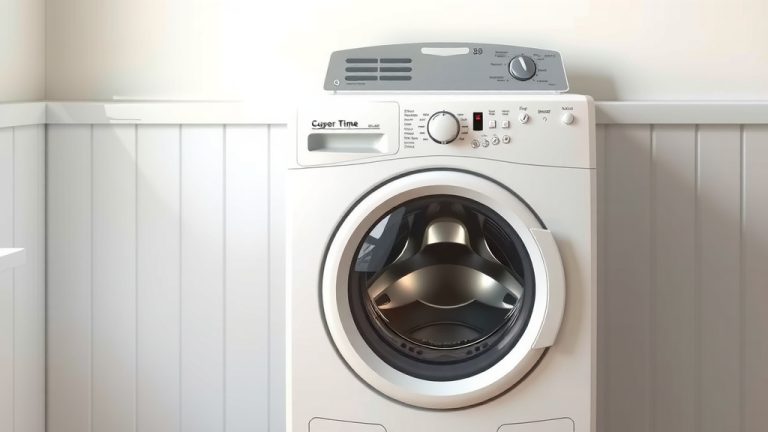
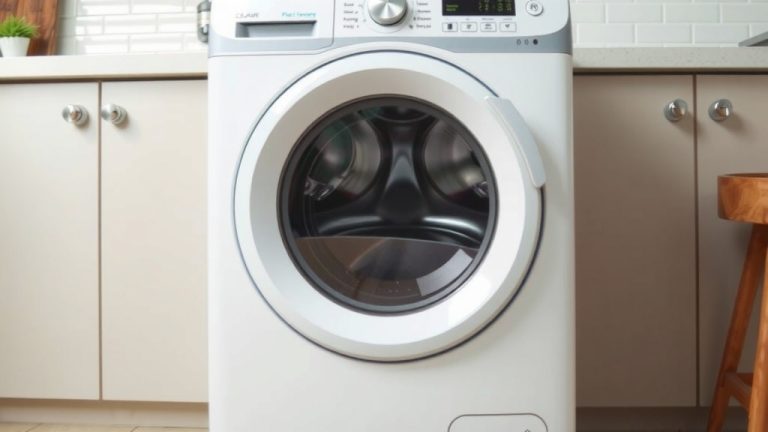
The largest size washing machine you can buy typically has a drum capacity of 5.0 cubic feet or more. These super-sized machines are designed for households with very large families or those who frequently wash bulky items like king-size comforters or large loads of laundry. So, if you’re drowning in dirty clothes, a high-capacity washer could be your new best friend!
When we talk about the largest washing machines, we’re focusing on drum volume, measured in cubic feet. This measurement tells you how much laundry the machine can hold. Larger capacities mean fewer loads, saving you time and energy. Many brands offer models that push the limits of standard home appliances, making laundry day less of a chore and more of a breeze.
- The largest washing machines have drum capacities of 5.0 cubic feet or higher.
- Capacity is measured in cubic feet, indicating how much laundry fits inside.
- Larger machines mean fewer loads, saving you time and effort.
- Consider your laundry needs, like family size and bulky items, when choosing a size.
Let’s dive into what makes these extra-large washing machines stand out and help you decide if one is the right fit for your home.
Understanding Washing Machine Capacity: What’s the Biggest You Can Get?
So, you’re wondering about the largest washing machines available on the market? You’ve come to the right place! These giants are designed to tackle your biggest laundry challenges. We’re talking about machines that can handle enormous loads, saving you trips to the laundromat or endless cycles at home.
When we discuss the “largest” washing machine, we’re primarily referring to its drum capacity. This is the internal volume where your clothes actually go. It’s measured in cubic feet, and the bigger the number, the more laundry you can fit inside. It’s like comparing a compact car to a minivan – both get you there, but one holds a lot more!
Defining “Large” Capacity in Washers
What truly qualifies as a large-capacity washing machine? We found that anything above 4.5 cubic feet starts to enter the “large” category for home use. However, the absolute biggest models push this even further, reaching 5.0 cubic feet and beyond. These aren’t just slightly bigger; they’re significantly more accommodating.
How Cubic Feet Translates to Laundry Loads
You might be asking, “What does 5.0 cubic feet actually mean for my laundry?” Think of it this way: a standard washing machine might hold about 8-10 pounds of laundry. A large-capacity machine can often handle 15-20 pounds or even more in a single load. This means you can wash your family’s weekly clothes all at once.
Consider a king-size comforter. Many standard washers struggle with bulky bedding. A large-capacity washer, however, can easily fit one or two of these bulky items. This is a huge plus for anyone who owns large linens or frequently washes items that take up a lot of space.
What to Expect in a 5.0+ Cubic Foot Washer
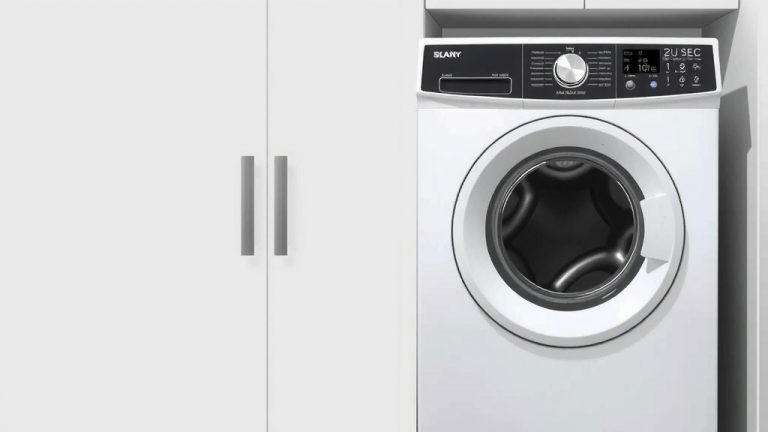
These super-sized machines are engineered for efficiency and volume. You’ll often find they have a front-loading design. This is because front-loaders are inherently more water-efficient and gentler on clothes. They also tend to have higher spin speeds, which extract more water and reduce drying time.
Who Needs an Extra-Large Washing Machine?
Is a massive washing machine right for your home? You might benefit if you fit one of these profiles:
- Large Households: Families with four or more members often generate a substantial amount of laundry. Washing less frequently means more free time.
- Busy Professionals: If your schedule is packed, reducing laundry time can be a lifesaver. Fewer loads mean less time spent sorting, loading, and unloading.
- Owners of Bulky Items: Do you have kids who play sports, pets that shed, or do you just love cozy bedding? Large items like sleeping bags, large blankets, and multiple towels can finally fit.
- People Seeking Efficiency: While the initial cost might be higher, washing fewer loads can lead to savings on water and energy over time.
Comparing Large Capacity Washers: What to Look For
When you’re shopping for the biggest capacity, don’t just look at the cubic feet number. Other features can make a big difference in your laundry experience. We found that ease of use and maintenance are key.
Key Features of High-Capacity Washers
These machines often come packed with advanced features. Many offer steam cycles for sanitizing and de-wrinkling. Smart technology is also common, allowing you to control your washer via a smartphone app. This can be handy for starting a load while you’re out or receiving notifications when a cycle is done.
Look for different wash cycles tailored to specific fabric types. Allergen cycles are great for sensitive skin. Delicates cycles protect your finer items. You’ll want a machine that can handle everything you throw at it, from tough work jeans to delicate blouses.
Energy and Water Efficiency in Large Machines
You might worry that a bigger machine uses more resources. However, modern large-capacity washers are surprisingly energy-efficient. Many are Energy Star certified, meaning they meet strict energy performance standards set by the EPA. They use less water and electricity per load than older, smaller models.
For example, the U.S. Department of Energy suggests that front-loading washers generally use less water than top-loading ones. A larger capacity front-loader can still be more efficient overall because you’re running fewer loads. It’s a balance between machine size and load frequency.
| Washer Size Category | Capacity (Cubic Feet) | Typical Load Size | Best For |
|---|---|---|---|
| Standard | 2.0 – 3.5 | 6-10 pounds | Small families (1-2 people), small loads |
| Large | 3.6 – 4.4 | 10-15 pounds | Average families (3-4 people), moderate loads |
| Extra-Large / Max Capacity | 4.5+ (often 5.0+) | 15-20+ pounds | Large families (5+ people), bulky items, infrequent washing |
Installation and Space Considerations
These large machines can be quite heavy and bulky. Before you buy, make sure you have enough space. Measure your laundry area carefully. Also, check that the door opening is wide enough for the machine to fit through. You’ll want to ensure there’s enough clearance for the door to open fully, especially for front-loaders.
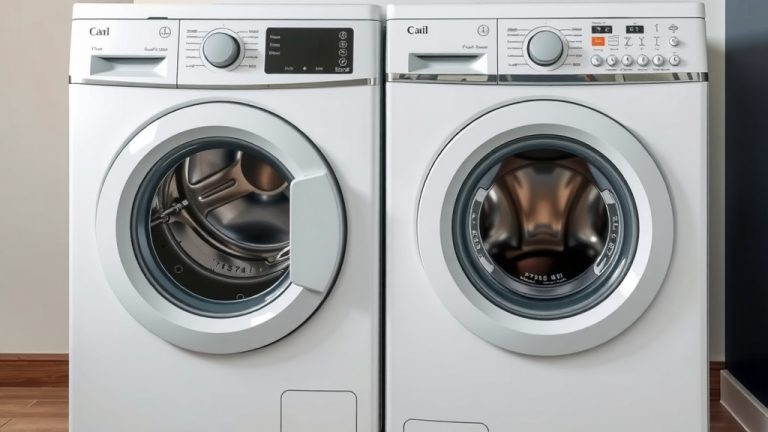
Some of these larger units are stackable, which can save floor space if you also purchase a matching dryer. However, ensure your floor can support the weight, especially when the washer is in operation. We found that reinforcing the floor might be necessary in some older homes.
Making the Final Decision for Your Home
Choosing the largest washing machine isn’t just about size; it’s about finding the right fit for your lifestyle. Think about your current laundry habits and any upcoming changes. Are you expecting your family to grow? Do you plan on moving to a new home with more space?
Consider your budget, too. Larger capacity machines often come with a higher price tag. However, we found that the long-term benefits of fewer loads, less energy consumption, and saved time can make them a worthwhile investment for many households.
Here’s a quick checklist to help you decide if a mega-capacity washer is your next laundry companion:
- Measure your laundry space accurately.
- Assess your household size and laundry volume.
- Consider if you frequently wash bulky items.
- Look for energy-efficient models (like Energy Star certified).
- Factor in the cost of the machine and any necessary installation.
- Read reviews to understand user experiences with specific models.
Conclusion
You’ve learned that the largest washing machines boast drum capacities of 5.0 cubic feet or more. These super-sized appliances are a game-changer for busy households and those with bulky laundry needs. While they offer impressive capacity, remember to consider your available space and budget. Weighing these factors against the time and energy savings will help you make the best choice for your home.
Ready to tackle your laundry pile with confidence? Your next step is to measure your laundry space and compare the exact dimensions and capacities of available models to find the perfect fit.
Frequently Asked Questions
What is the largest washing machine capacity available for home use?
The largest washing machines designed for home use typically reach 5.0 cubic feet or even exceed it. While some commercial machines are larger, these are the maximum capacities you’ll find for residential settings.
Can a 5.0 cubic foot washer fit a king-size comforter?
Yes, a washing machine with a 5.0 cubic foot capacity or larger is usually capable of washing one or even two king-size comforters comfortably. This size is specifically designed to handle bulky bedding.
Do larger washing machines use more energy and water?
Not necessarily. While the machine itself might seem larger, modern high-capacity washers are often very energy and water-efficient. Because you’re doing fewer loads, the overall resource consumption can be lower than with smaller, older machines.
What are the main advantages of having a super-sized washing machine?
The primary advantages include saving time and effort by reducing the number of loads you need to wash. You can also more easily clean bulky items like blankets, duvets, and large loads of towels all at once.
Are there any downsides to owning the largest size washing machine?
The main potential downsides are the larger physical footprint, which requires more space, and often a higher initial purchase price. Installation might also require more careful planning due to their size and weight.