Choosing Your Next Washing Machine: A Buyer’s Guide
Buying a new washing machine can feel overwhelming, but we’re here to help you find the perfect fit for your home and budget. To buy a new washing machine, you should start by assessing your needs, like laundry volume and space, then research different types and features that matter most to you.
We found that understanding your laundry habits is key to choosing a washer that will serve you well for years. Considering factors like energy efficiency and your preferred cleaning technology can make a big difference in your satisfaction and your utility bills.
- Know your laundry needs (load size, frequency).
- Choose between top-load and front-load washers.
- Look for water and energy-saving features.
- Consider special cycles and advanced technology.
- Set a realistic budget before you shop.
Let’s walk through exactly how to pick the best washing machine for your household, step by step.
Choosing Your Next Washing Machine
Finding the right washing machine can make laundry day feel less like a chore and more like a breeze. We’ve researched what matters most to homeowners when they’re ready to upgrade their laundry appliances. Let’s dive into the essential steps you should take to ensure you bring home a washer that perfectly suits your needs and your lifestyle.
Understanding Your Laundry Habits
Before you even start browsing models, take a moment to think about how your household handles laundry. Are you washing clothes for a single person, or do you have a large family with mountains of clothes? The volume of laundry you do will heavily influence the size and type of machine you need.
Load Size Matters
Consider the typical size of your laundry loads. If you often wash large, bulky items like comforters or sleeping bags, you’ll need a machine with a larger capacity drum. Smaller households might be perfectly fine with a standard-sized washer.
Frequency of Washing
How often do you run the washing machine? If it’s running daily, you’ll want a durable, efficient model. If laundry day is a once-a-week event, you might prioritize different features. We found that many people underestimate their actual laundry volume, leading to buyers’ remorse later.
Top-Load vs. Front-Load Washers
The biggest decision you’ll make is choosing between a top-load and a front-load washing machine. Both have their pros and cons, and your preference might come down to convenience, efficiency, or even cost.
Top-Load Washers
These are the traditional washers most of us grew up with. They typically have an agitator in the center that helps move clothes around. They are generally less expensive upfront and you can add items mid-cycle more easily. However, they tend to use more water and can be rougher on clothes.
Agitator vs. Impeller Models
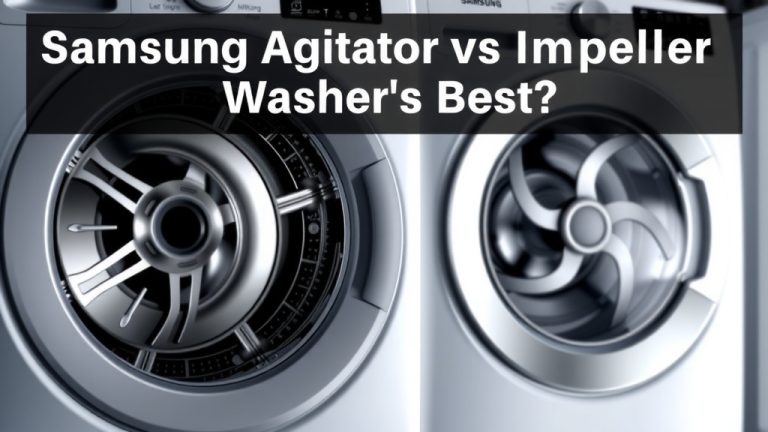
Within top-loaders, you’ll find two main types: agitator and impeller. Agitator models have a central post that twists clothes. Impeller models use a low-profile disc at the bottom to spin clothes. Impeller models offer more wash space and are gentler on fabrics, much like front-loaders. Many experts suggest impeller models are a good compromise for those who prefer top-loaders but want better fabric care.
Front-Load Washers
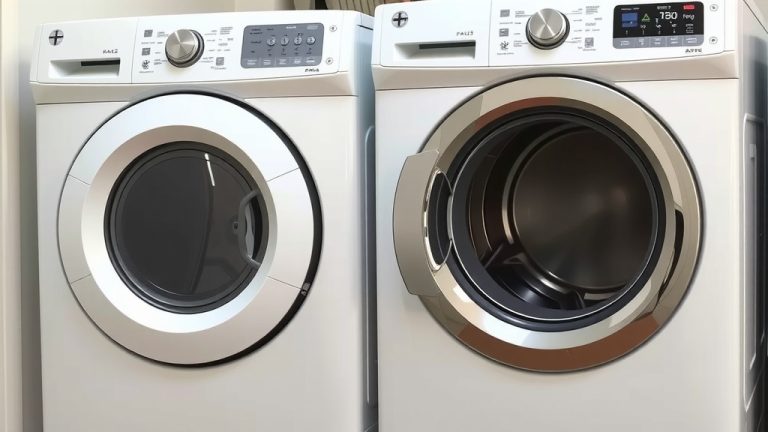
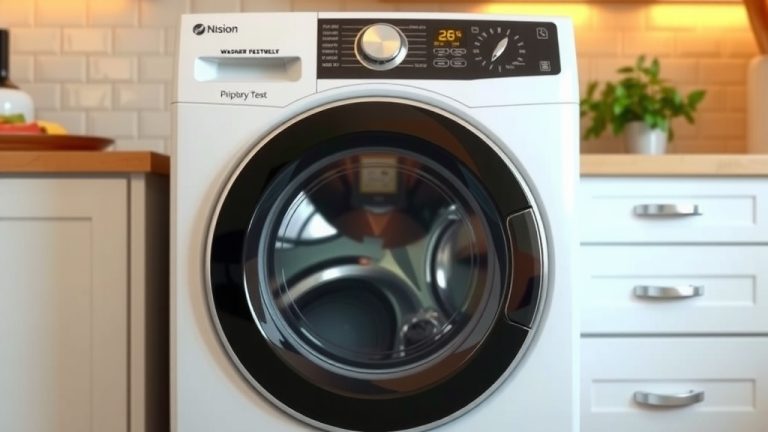
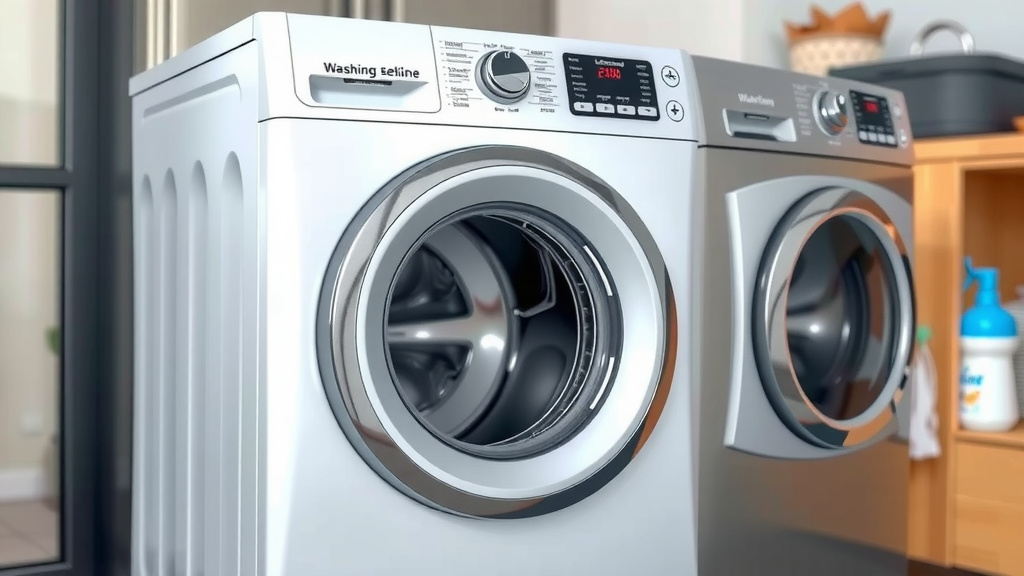
Front-loaders have a door on the front and tumble clothes. They are known for being more energy and water-efficient. They also tend to clean clothes more gently and offer better stain removal. The downside is they typically have a higher initial cost and often require a slight bend to load and unload.
Benefits of Front-Loaders
Many studies show that front-loaders use significantly less water per load compared to traditional top-loaders. They also achieve higher spin speeds, meaning clothes come out drier, reducing dryer time and energy use. We found that the gentle tumbling action is also a big plus for keeping your favorite clothes looking new for longer.
Energy and Water Efficiency
Saving money on utility bills is a major concern for most households. When choosing a washing machine, look for the ENERGY STAR® label. Appliances with this certification meet strict energy efficiency guidelines set by the U.S. Environmental Protection Agency.
Understanding the ENERGY STAR® Label
An ENERGY STAR® certified washer uses less energy and water than standard models. This not only lowers your utility bills but also reduces your environmental impact. Many guidelines suggest that choosing an ENERGY STAR® model can save you hundreds of dollars over the life of the appliance (ENERGY STAR).
Water Usage Considerations
Beyond the ENERGY STAR® label, check the machine’s water factor. This is a measurement of how much water the machine uses per cubic foot of drum capacity. A lower water factor means it’s more water-efficient. We found that even within the same category, water usage can vary quite a bit between models.
Key Features and Technology
Modern washing machines come packed with features designed to make laundry easier and more effective. Think about which ones are truly essential for your routine.
Specialized Wash Cycles
Do you often wash delicate items, activewear, or heavily soiled work clothes? Look for machines with specialized cycles like ‘Delicates,’ ‘Sportswear,’ ‘Heavy Duty,’ or ‘Sanitize.’ These cycles adjust water temperature, spin speed, and agitation to best suit the load.
Smart Technology and Connectivity
Some newer machines offer Wi-Fi connectivity. This allows you to start, stop, and monitor cycles remotely using a smartphone app. You might also get notifications when a cycle is done or receive diagnostic alerts. While not essential for everyone, many users find these smart features convenient.
Steam Functionality
Some high-end models include a steam function. This can help sanitize clothes, remove allergens, and reduce wrinkles. It’s a great feature if you have allergies or frequently need to refresh garments without a full wash.
Setting Your Budget
Washing machines can range from a few hundred dollars to well over $1,500. It’s important to set a realistic budget before you start shopping to help narrow down your options. Remember to factor in potential delivery and installation costs, which can add to the overall price.
Cost vs. Long-Term Value
While a cheaper machine might seem appealing, consider the long-term value. More expensive models often offer better energy efficiency, more durable construction, and advanced features that can save you time and money over the years. We found that investing a bit more upfront can often lead to greater satisfaction and lower operating costs down the line.
Your Washing Machine Checklist
To help you keep track, here’s a quick checklist to guide your decision-making process:
- Determine your household’s laundry volume.
- Measure your laundry space and available hookups.
- Decide between a top-load or front-load model.
- Prioritize energy and water efficiency (look for ENERGY STAR®).
- Note any special cycles or features you need.
- Set a clear budget, including delivery and installation.
Conclusion
You’re now well-equipped to make your washing machine purchase with confidence. We’ve walked through understanding your laundry habits, comparing top-load and front-load models, and prioritizing efficiency. Remember to look for those ENERGY STAR® certifications and consider features that truly simplify your routine. Your next step is to use this knowledge to visit a store or browse online, keeping your personal checklist in mind. Happy shopping for your perfect laundry companion!
Frequently Asked Questions
How much extra do smart washing machine features usually cost?
Smart features like Wi-Fi connectivity and app control typically add a few hundred dollars to the base price. While not essential, they offer convenience for remote monitoring and control. Consider if this added cost fits your budget and fits your lifestyle needs.
Are front-load washers really worth the higher upfront cost?
For many households, yes. Front-loaders are generally more water and energy-efficient, which can lead to lower utility bills over time. They also tend to be gentler on clothes, potentially extending the life of your wardrobe.
What’s the best way to measure my laundry space for a new washer?
Measure the width, depth, and height of the available space. Don’t forget to account for the depth needed to open the door fully and the space required for hoses and electrical cords at the back. Measure twice to avoid any surprises!
How do I know if I need a large-capacity washing machine?
Consider the volume of laundry your household generates and if you frequently wash bulky items like comforters or sleeping bags. If you have a large family or wash large loads often, a larger capacity drum will be a much better fit for your needs.
Is an agitator or impeller top-load washer better for my clothes?
Impeller models are generally gentler on fabrics than traditional agitator models. They use a low-profile disc instead of a central post, creating more space in the drum and a less aggressive wash action. This can help your clothes last longer.