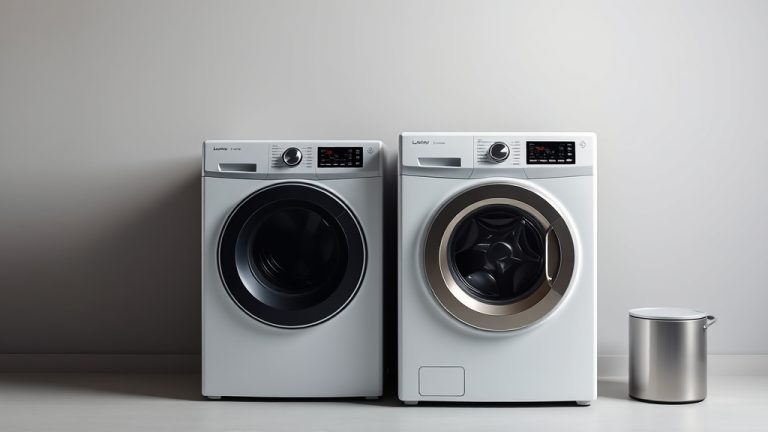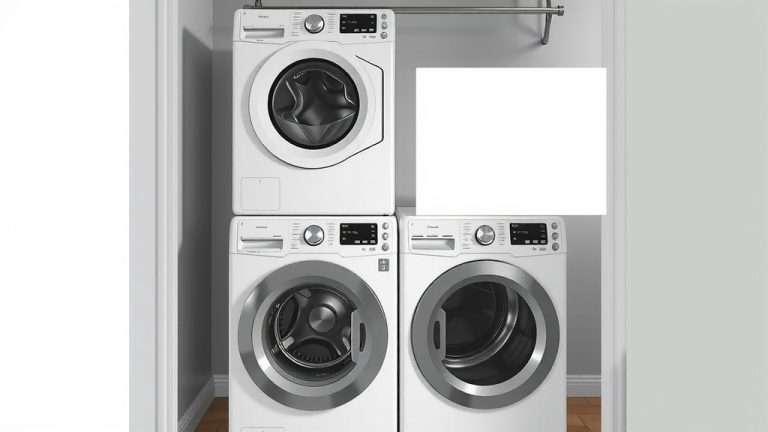
Stackable Washer Dryer Standard Width Explained
The standard width of stackable washer and dryer units is typically 27 inches. This common size makes them a great fit for many laundry rooms and closets. You’ll find most brands offer units within this measurement.
When you’re looking for a stacked laundry unit, width is a key consideration. It’s not just about fitting the machines in. You also need to think about space for laundry baskets and general movement. We found that 27 inches is the prevailing dimension for these space-saving appliances.
- Standard width is usually 27 inches.
- This size fits most typical laundry spaces.
- Consider clearance for laundry baskets.
- Check specific model dimensions before buying.
Let’s walk through the common dimensions and what you need to know to pick the right stackable washer and dryer for your home.
Understanding Stackable Washer and Dryer Dimensions
So, you’re looking into stackable laundry units. That’s smart! They’re a fantastic way to save space. You’re probably wondering about the size, especially the width. Let’s break down what you need to know about the standard width of stackable washer and dryer sets.
Most stackable laundry machines are designed with a common width. We found that this is typically 27 inches. This measurement is pretty standard across many brands. It helps ensure that these units can fit into many homes. This width is designed for convenience.
The 27-Inch Standard: Why It Matters
Why is 27 inches so common for stackable washer and dryer units? It’s largely due to a few factors. Manufacturers aim for consistency. This makes it easier for consumers to shop. It also helps with fitting these appliances into standard home layouts.
Why 27 Inches is the Go-To Width
The 27-inch width is a sweet spot. It allows for a decent drum size in both the washer and dryer. You can still fit a good amount of laundry. But the machines remain compact enough for smaller spaces. Many laundry rooms and closets are built with this size in mind.
Think about it like this: a standard doorway is usually 30-32 inches wide. Having a 27-inch appliance means you can likely get it through the door and into its designated spot. We found that this width offers a good balance between capacity and space efficiency.
Where This Standard Size Comes From
The appliance industry tends to standardize dimensions for popular items. This isn’t just for stackables. You see it with many home appliances. It helps with manufacturing efficiency. It also simplifies installation and replacement processes for homeowners and technicians.
Many building codes and common home construction practices indirectly support these dimensions. When homes are built, laundry spaces are often designed with typical appliance sizes in mind. So, the 27-inch width became the de facto standard for stackable units to fit these pre-existing spaces.
Beyond the Width: Other Dimensions to Consider
While width is key, don’t forget about the other dimensions. Height and depth are just as important. You need to ensure the entire unit will fit comfortably.
Depth: How Much Space Will It Take Up?
Depth is crucial because it determines how far the unit juts out into your room. A typical stackable washer and dryer depth can range from about 30 to 34 inches. This measurement often includes the door swing and any hoses at the back.
You need to measure the space where you plan to put the unit. Make sure you have enough clearance. You don’t want the machines blocking a walkway. You also need space for ventilation and hookups. We recommend leaving at least 6 inches of space behind the units for air circulation and hose connections (Energy Star).
Height: Will It Reach the Ceiling?
Stackable units, by their nature, are tall. The combined height of the washer and dryer can be significant. Most stackable units are around 70 to 80 inches tall. Some can even be taller.
Always measure the height of your intended space. Check the ceiling height carefully, especially if you have sloped ceilings or any overhead cabinets. You want to avoid any awkward fits or the need for custom installations.
Measuring Your Space: A Quick Checklist
Before you buy, a little measuring goes a long way. This ensures you pick a unit that fits perfectly. It saves you headaches later!
- Measure the width of your laundry area.
- Measure the depth, accounting for doors and wall obstructions.
- Measure the height, checking for overhead obstacles.
- Check if the unit needs to fit through doorways or tight corners.
- Factor in clearance for ventilation and utility hookups.
Are There Stackable Units Wider Than 27 Inches?
While 27 inches is the standard, you might find some variations. Some high-capacity or specialty units might be slightly wider. However, these are less common in the stackable category.
Oversized and Compact Options
If you need a larger capacity, you might look for wider models. These can sometimes reach 29 or 30 inches. On the other end, you can find compact or apartment-sized units. These might be narrower, sometimes around 24 inches. But these are typically not stackable in the same way. They are often front-load and designed for very small spaces.
For the most part, if you’re looking for a traditional stackable washer and dryer, 27 inches is the dimension you’ll encounter most often. This makes shopping much simpler.

What If My Space is Exactly 27 Inches Wide?
This is where things get a little tighter. If your space is exactly 27 inches wide, a 27-inch unit might be a very snug fit. We’ve found that it’s often wise to have a little wiggle room.
The Importance of Clearance
You need space for more than just the machine’s physical dimensions. Installation requires access. You’ll need to connect water hoses and the dryer vent. These connections add a few inches to the overall space needed.
Think about ventilation for the dryer. Proper airflow is essential for efficient drying and preventing overheating (Consumer Product Safety Commission). Most manufacturers recommend at least a few inches of clearance on the sides and back. This is for both safety and performance.
We found that even an extra inch or two can make a big difference. If your space is exactly 27 inches, you might want to consider models that are slightly less, or re-evaluate your space. Perhaps removing a small trim piece could give you that needed half-inch.
Checking the Manufacturer’s Specifications
Always, always, always check the specific dimensions for any model you are considering. Don’t just assume it will fit because it’s a “standard” size. Manufacturers provide detailed specifications for each appliance.
These specs will list the exact width, height, and depth. They also note the required clearances. This information is usually found on the product page online or in the owner’s manual. We can’t stress this enough: verify the measurements before you buy.
A Table of Typical Stackable Dimensions
Here’s a quick reference for what you might expect. Remember, these are general guidelines, and individual models can vary.
| Dimension | Typical Range | Notes |
|---|---|---|
| Width | 27 inches | Most common size. |
| Depth | 30-34 inches | Includes door and rear components. |
| Height | 70-80 inches | Can be taller for high-capacity models. |
| Door Clearance | ~10-15 inches | Needed when doors are open. |
This table should give you a good starting point. But remember to always check the specifics for the exact model you’re interested in.
Conclusion
You’ve learned that the standard width for stackable washer and dryer units is consistently 27 inches. This common dimension makes them a practical choice for most homes. Remember to also consider the depth and height to ensure a perfect fit. Always double-check the manufacturer’s specifications before making your purchase. Taking these measurements will help you select a stackable unit that not only fits your space but also meets your laundry needs efficiently. Your next step is to measure your laundry area and compare those measurements with the exact specs of the models you’re considering.
Frequently Asked Questions
Will a 27-inch stackable washer and dryer fit in a 27-inch opening?
It will be a very tight fit. While the unit’s width might be 27 inches, you need extra space for installation, connecting hoses, and proper ventilation. We found that having at least an inch or two of extra room is highly recommended for smooth installation and optimal performance.
Can I find stackable washer and dryer units wider than 27 inches?
Yes, but they are less common. While 27 inches is the standard, some manufacturers offer larger, high-capacity models that might be 29 or 30 inches wide. These are not as widely available as the standard size.
What if my laundry space is narrower than 27 inches?
If your space is narrower, you’ll need to look for compact or apartment-sized laundry units. These are often around 24 inches wide but may not be designed for stacking in the same way as standard units.
Does the 27-inch width include the vent hose or power cord?
No, the 27-inch measurement typically refers to the cabinet of the washer and dryer unit itself. You’ll need to add extra space at the back for vent hoses, water hookups, and power cords. We recommend at least 6 inches of clearance behind the unit.
Are all stackable units 27 inches wide?
No, not all of them are. While 27 inches is the most common standard width for traditional stackable washer and dryer sets, there can be slight variations. Always confirm the exact dimensions of any model you are interested in.