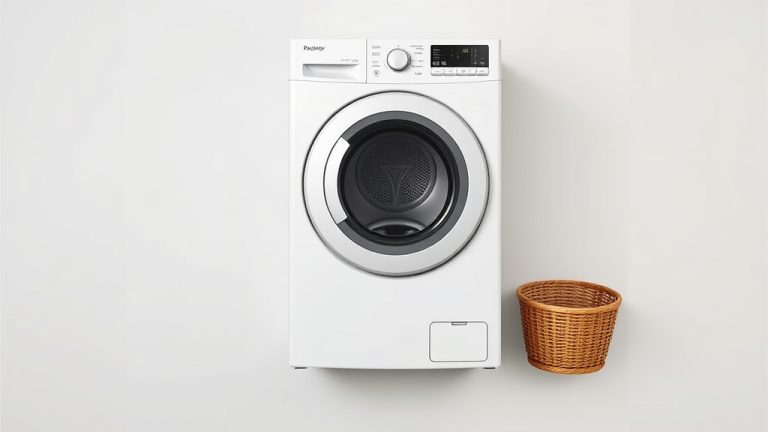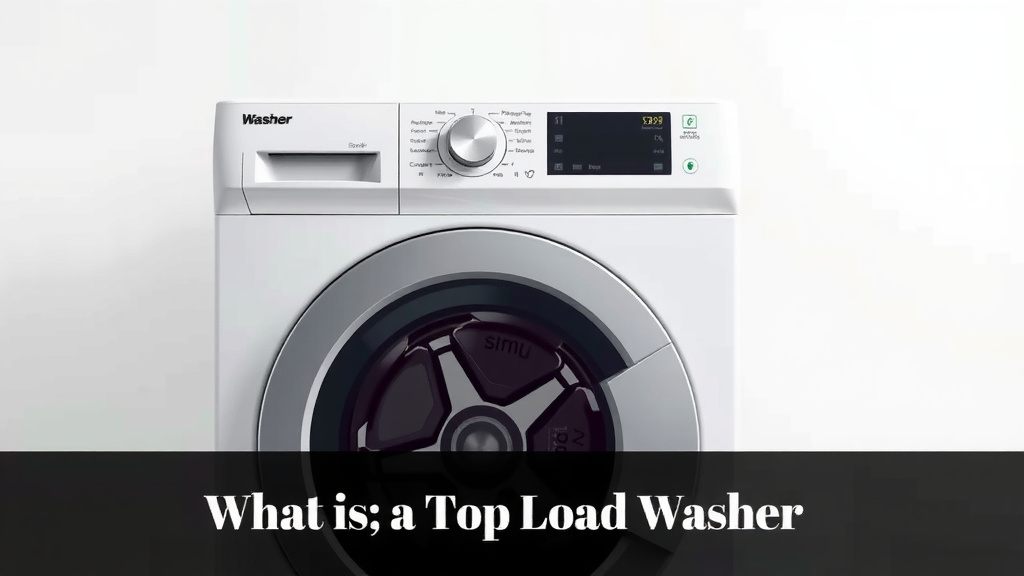
What is a Top Load Washer? Your Complete Guide
A top load washer is a washing machine where the door is on the top. You lift the lid to add your clothes. These washers are a familiar sight in many American homes. They come in two main types: agitator and high-efficiency impeller models.
When you think of a classic washing machine, you’re likely picturing a top loader. They’ve been around for ages. Many people find them easy to load and operate. Plus, you can often add forgotten items mid-cycle.
- Top load washers have the door on the top.
- They are familiar and easy to use.
- You can often add clothes mid-wash.
- Two main types exist: agitator and impeller.
We found that understanding the differences can really help you choose the best one for your laundry needs. Let’s break down exactly what makes a top load washer tick.
You’re probably already familiar with a top load washer. They’re the workhorses of laundry rooms across America. But what exactly sets them apart, and what should you know before buying one? Let’s dive into the details.
Understanding the Top Load Washing Machine
A top load washer is defined by its loading door. It’s located on the top of the machine. You simply lift the lid to toss in your clothes. This design makes it incredibly accessible for most people. You don’t have to bend down as much compared to a front loader. This is a big plus for those with back or knee issues.
We found that the familiarity of this design is a key reason for its enduring popularity. It’s the kind of machine many of us grew up with. The controls are usually straightforward. You pick your cycle, your water temperature, and let it do its thing. It’s that simple!
The Two Main Flavors of Top Loaders
When you look at top load washers, you’ll notice two main types. They differ in how they agitate your clothes. Each has its own pros and cons.
1. Agitator Top Load Washers
These are the traditional models. You’ll recognize them by the tall, finned post in the center of the drum. This is the agitator. Its job is to twist and turn your clothes. It forces them through the water and detergent. This method is known for being tough on stains.
Think of it like vigorous scrubbing. The agitator creates a lot of movement. This can be great for heavily soiled items like work clothes or kids’ playwear. However, this intense action can sometimes be rough on fabrics. We found that delicate items might need extra care or a different cycle.
Pros of Agitator Models
- Excellent cleaning power for tough dirt.
- Generally faster wash cycles.
- Familiar operation for many users.
- Often less expensive upfront.
Cons of Agitator Models
- Can be harder on clothes.
- Uses more water on average.
- Larger items like comforters can get tangled.
2. High-Efficiency (HE) Impeller Top Loaders
These are the newer generation of top loaders. Instead of a central post, they have a low-profile disc or cone at the bottom of the drum. This is the impeller. It uses friction and tumbling to move clothes. It spins and rotates, creating currents that move garments through the water.
HE impeller models are designed to use less water. They also tend to be gentler on your laundry. The space inside the drum is more open, allowing for larger loads and bulky items. Many experts suggest this gentleness can help extend the life of your clothes (Good Housekeeping).
Pros of HE Impeller Models
- Gentler on fabrics, reducing wear and tear.
- Use less water and energy.
- Larger capacity, good for bulky items.
- Quieter operation is often noted.
Cons of HE Impeller Models
- May take longer wash cycles.
- Some users find they don’t clean heavily soiled items as effectively as agitator models.
- Can be more expensive to purchase.
Key Features to Consider
Beyond the agitator versus impeller choice, several features can influence your decision. Think about what’s most important for your household’s laundry routine.
Capacity: How Much Can It Hold?
Washing machine capacities are measured in cubic feet. A larger capacity means you can wash more clothes at once. This is a huge time-saver for big families. We found that a 4.0 to 4.5 cubic feet model is generally suitable for most households. If you have a very large family or do a lot of bulky bedding, you might want to look for something larger, say 5.0 cubic feet or more.
Cycles and Settings: What Do You Need?
Most top loaders come with a variety of cycles. Common ones include Normal, Heavy Duty, Delicates, and Quick Wash. Some models offer specialized cycles for things like sanitizing, bedding, or steam. Think about the types of fabrics and soil levels you typically deal with. Do you need a powerful steam cycle for stubborn wrinkles, or is a basic set of options enough?
Water Levels: Are They Adjustable?
Older agitator models often let you choose your water level precisely. HE impeller models, and even newer HE agitator models, tend to be more automatic. They sense the load size and use just enough water. Some HE models allow you to select a “deep fill” or “max fill” option. This can be helpful if you prefer more water or have particularly bulky items.
Smart Features: Connected Laundry?
Like many appliances today, washers are getting smarter. Some top load models offer Wi-Fi connectivity. You can often control them with a smartphone app. This might allow you to start a cycle remotely, get notifications when a wash is done, or even troubleshoot issues. It’s a convenience that some people find very appealing.
Top Loaders vs. Front Loaders: A Quick Look
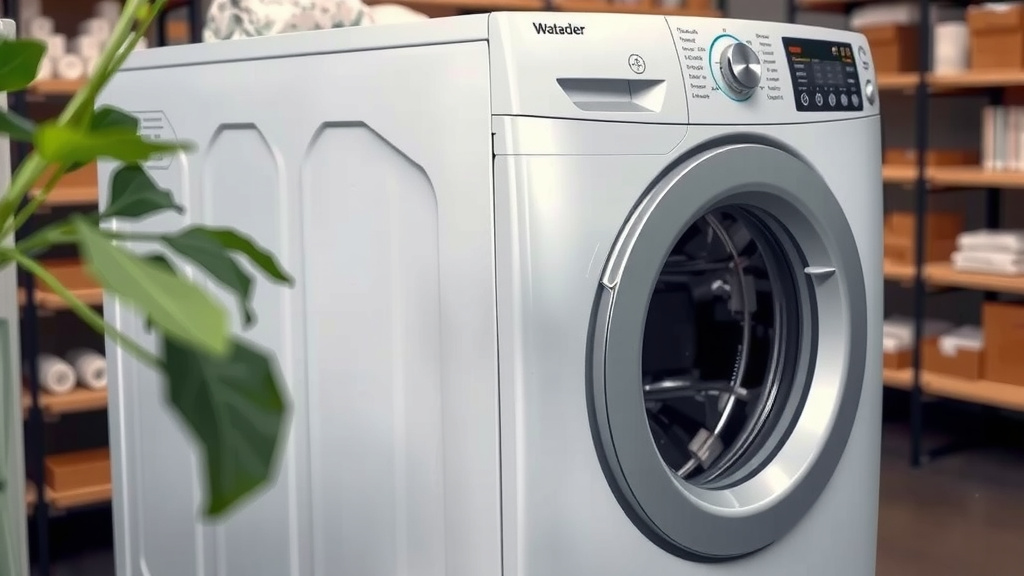
While this post focuses on top loaders, it’s helpful to know how they stack up against their front-loading cousins. Front loaders typically use less water and offer even better energy efficiency. They also tend to clean clothes more gently. However, they often cost more upfront and have longer cycle times. Plus, many people prefer the ease of use and the ability to add forgotten items mid-cycle with a top loader.
Choosing the Right Top Load Washer for You
Selecting the best top load washer comes down to your specific needs. Consider these points:
- Budget: How much are you looking to spend?
- Family Size: How much laundry do you do regularly?
- Fabric Types: Do you wash a lot of delicates or heavily soiled items?
- Space: Does the machine need to fit in a tight spot?
- Convenience: Are smart features or specific cycles a must-have?
By thinking through these factors, you can narrow down your options. You’ll find a top load washer that fits perfectly into your home and your laundry routine. It’s about finding a reliable partner to handle your dirty clothes.
Conclusion
You’ve learned that a top load washer is a classic and convenient choice for laundry. Whether you prefer the powerful cleaning of an agitator model or the water-saving gentleness of an HE impeller, there’s a top loader to fit your needs. We found that considering capacity, cycle options, and your personal preferences will guide you to the best machine. Your next step is to match these features with your budget and family size. You’ll find a reliable laundry partner that makes wash day much easier.
Frequently Asked Questions
Can I really add clothes to a top load washer mid-cycle?
Yes, in most cases. You can typically pause the cycle and lift the lid to add forgotten items. This is a major convenience that many users appreciate. However, always check your specific model’s manual, as some cycles might not allow this.
What’s the difference between an agitator and an impeller in top load washers?
An agitator is a tall post in the center that twists and turns clothes, offering robust cleaning for tough stains. An impeller is a low-profile disc at the bottom that uses friction and tumbling to move clothes more gently and with less water.
Are top load washers less energy efficient than front loaders?
Historically, traditional agitator top loaders used more water and energy. However, high-efficiency (HE) impeller top loaders have significantly improved in this regard. They often rival front loaders in water and energy savings, though front loaders may still have a slight edge.
How do I choose the right capacity for my top load washer?
Consider your household size and laundry habits. For a typical family, around 4.0 to 4.5 cubic feet is usually sufficient. If you wash bulky items like comforters or have a large family, a larger capacity of 5.0 cubic feet or more would be more practical.
Are top load washers good for people with back problems?
Yes, top load washers are generally more accessible for individuals with back or knee issues. You don’t need to bend down as low to load and unload clothes compared to front-loading machines. This makes them a more comfortable option for many users.