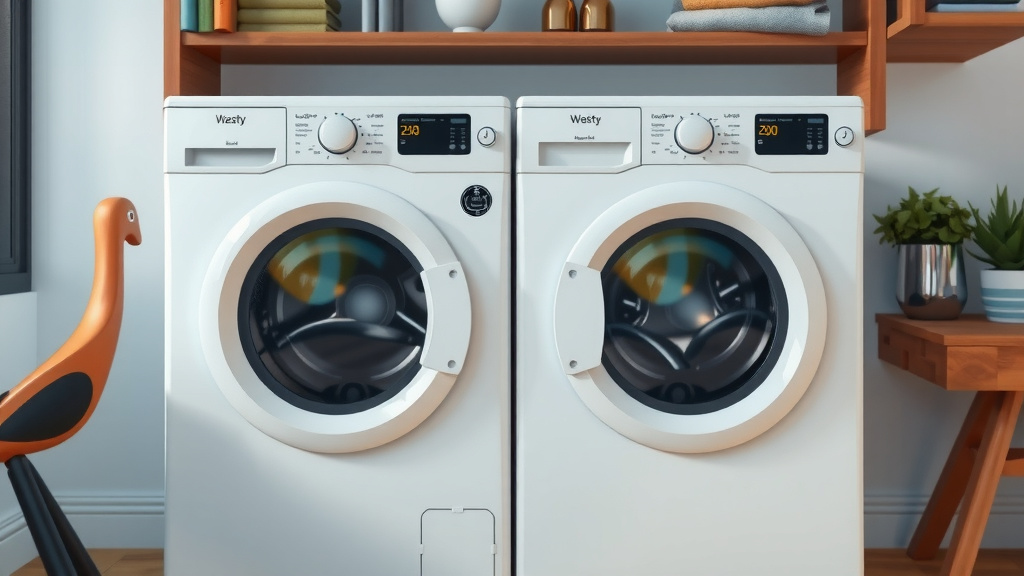
Washer Dryer: Your Complete Guide Explained
A washer dryer combo is a single appliance that washes and dries your clothes, just like separate machines. It’s a fantastic space-saving solution for apartments or smaller homes where laundry room space is limited. Think of it as your all-in-one laundry helper!
These handy units combine two essential laundry functions into one compact unit. You load your dirty clothes, select your wash and dry cycles, and let the machine do all the work. Many newer models even offer advanced features like steam cleaning and smart connectivity, making laundry day a little less of a chore.
- A washer dryer is a 2-in-1 laundry appliance.
- It washes and dries clothes in a single unit.
- Ideal for small spaces and apartments.
- Saves time and hassle by automating the whole process.
Let’s walk through exactly how these clever machines work and what you should know before buying one.
Understanding Your All-in-One Laundry Machine
So, you’re curious about that clever appliance that handles both washing and drying? Essentially, a washer dryer combo is a single, integrated unit designed to tackle your entire laundry load. You load your clothes once, select the cycles you need, and the machine automatically moves from washing to drying without you needing to intervene. It’s a smart design for anyone looking to simplify their laundry routine and save on space.
How Does a Washer Dryer Combo Actually Work?
The magic behind these machines lies in their dual functionality within one drum. They are built with a single tub that can perform both the washing and drying processes. After the wash cycle is complete, the machine automatically transitions to the drying phase.
The Washing Phase
This part works much like a standard washing machine. You add your detergent and fabric softener, load your clothes, and select your desired wash program. The drum fills with water, tumbles your clothes with the detergent to lift dirt, and then drains and rinses.
The Drying Phase
Once the washing and rinsing are done, the machine prepares to dry your clothes. It drains all the water and then begins to heat the air inside the drum. This hot air circulates through your damp clothes as the drum tumbles, evaporating the moisture.
The way it exhausts this moisture can vary. Some models vent the hot, moist air outside, similar to a traditional dryer. Others are ventless, which means they use a condenser system. This system cools the moist air, turning it back into water, which is then collected in a reservoir or pumped out with the drain water.
Ventless vs. Vented Washer Dryer Combos
When you’re looking at these appliances, you’ll often see them categorized by how they handle the drying process. Understanding this difference can help you choose the best fit for your home.
Ventless Condenser Dryers
These are the most common type of washer dryer combo. They don’t require an external vent. Instead, they pull air from your room, heat it, and then pass it through the wet clothes. The moisture from the clothes condenses into water, which is then removed. This makes them incredibly flexible for installation, as you don’t need to worry about cutting holes in walls or running vent hoses.
We found that while ventless models offer convenience, they can sometimes take longer to dry clothes compared to vented models. They also tend to produce more heat and humidity in the room where they are located. This is something to consider if you have a very small laundry space that already gets warm.
Vented Dryers
True vented washer dryer combos are less common, as most integrated units opt for the ventless condenser system. If you do find one, it functions like a traditional dryer, expelling hot, moist air through a vent hose to the outside. These can dry clothes faster and may not add as much heat and humidity to your room. However, they require proper venting, which can limit where you can place the appliance.
Space-Saving Benefits: Why Choose a Combo?
The primary appeal of a washer dryer combo is undoubtedly its ability to save space. If you live in an apartment, a condo, or a smaller home, you might not have room for a separate washer and dryer.
A single unit means you only need hookups for one appliance. This frees up floor space, allowing you to use the area for storage or perhaps a small folding station. Research often points to these units as a practical solution for urban living or for those who prefer a more minimalist approach to their home appliances.

Who Benefits Most from a Washer Dryer Combo?
These machines are a fantastic choice for a few key groups of people. If you’re living in a studio apartment, this appliance can be a lifesaver. It means you can do your laundry right in your living space without needing a dedicated laundry room. People who travel frequently might also appreciate the convenience. They can set a load to wash and dry while they are out, coming home to clean, dry clothes.
Busy professionals often find them useful. The ability to load, set, and forget means laundry tasks can be completed without needing to switch machines or babysit the process. Families with young children might also benefit, as the all-in-one nature can simplify the chore list.
Understanding Capacity and Load Sizes
It’s important to note that washer dryer combos often have a smaller capacity than traditional, separate machines. This means you might not be able to wash and dry as large a load at once. For example, a load that fits comfortably in a standard washing machine might be too large to dry efficiently in the same combo unit after washing.
We found that many users recommend washing smaller loads and then running a drying cycle. This ensures optimal drying performance and prevents overloading the machine. If you have a large family with a high laundry volume, you might find yourself running more cycles than you would with separate units. It’s a trade-off for the space and convenience offered.
| Feature | Washer Dryer Combo | Separate Washer & Dryer |
|---|---|---|
| Space Required | Minimal; single footprint | Requires space for two appliances |
| Installation | Simpler; one set of hookups | More complex; two sets of hookups |
| Capacity | Typically smaller; may require smaller loads for drying | Generally larger; handles bigger loads |
| Cycle Time | Can be longer for a full wash-and-dry cycle | Wash and dry cycles can often run concurrently |
| Cost | Can be more affordable than buying two separate high-end units | Initial purchase can be higher for both machines |
| Flexibility | Less flexible; one unit for both tasks | More flexible; wash or dry independently |
Key Considerations Before You Buy
Before you make a purchase, think about your specific needs. How much laundry do you typically do? What is the size of your living space? Do you have access to venting, or is a ventless model a must?
Installation Requirements
Most washer dryer combos require standard water hookups (hot and cold) and a drain. For ventless models, you’ll also need a standard electrical outlet. If you’re opting for a vented unit, you’ll need to ensure you can install the necessary venting system. Many experts suggest checking your home’s electrical capacity to ensure it can handle the appliance’s power draw.
Maintenance Tips for Longevity
Just like any appliance, regular maintenance will keep your washer dryer combo running smoothly. This includes cleaning the lint filter regularly, wiping down the door seal, and running a cleaning cycle periodically to prevent mold and mildew buildup. For ventless models, emptying and cleaning the water reservoir or checking the drain pump filter is also important. We found that consulting your owner’s manual for specific cleaning recommendations is always a good first step.
Here’s a quick checklist to keep in mind:
- Measure your space carefully.
- Confirm your utility hookups (water, drain, electricity).
- Consider the typical load size for your household.
- Decide between vented or ventless drying.
- Read reviews for specific models.
- Factor in any necessary maintenance.
Conclusion
You’ve learned that a washer dryer combo is a brilliant appliance for anyone needing to conserve space without sacrificing laundry functionality. It cleverly combines washing and drying into a single unit, making it ideal for apartments, condos, or smaller homes. While they typically have smaller capacities and can take longer for a full wash-and-dry cycle, the convenience and space savings are often well worth it. Considering your laundry habits and available hookups will help you choose the right model. Your next step is to measure your space and confirm your utility connections to find the perfect all-in-one laundry solution for your home.
Frequently Asked Questions
Can a washer dryer combo really dry clothes as well as a separate dryer?
Washer dryer combos can effectively dry clothes, but it’s important to manage your expectations. Ventless models, which are most common, use a condenser system that can sometimes take longer. Many users find that washing smaller loads and then drying them separately within the combo unit yields the best results.
How much space do I actually need for a washer dryer combo?
These units are designed for minimal space requirements. You’ll need enough room for a single appliance footprint, typically similar to a standard washing machine. Always measure your designated space carefully, including depth, width, and height, and ensure you have clearance for the door to open fully.
Are washer dryer combos more expensive than buying separate machines?
The initial purchase price of a washer dryer combo can vary. Sometimes, they are more affordable than buying two separate, mid-range appliances. However, high-end combo units can be quite expensive. It’s wise to compare costs based on the features and brands you’re considering.
How often do I need to clean a washer dryer combo?
Regular maintenance is key for longevity. You should aim to clean the lint filter after every few loads and wipe down the door seal regularly. Running a cleaning cycle monthly with a specialized washer cleaner or vinegar can prevent mold and mildew. For ventless models, checking and emptying the water reservoir is also part of routine care.
What are the biggest drawbacks of using a washer dryer combo?
The primary drawbacks are typically a smaller capacity than separate machines, potentially longer drying times (especially for ventless models), and the fact that you can’t wash and dry simultaneously. If you have very large loads or a high volume of laundry, you might find yourself running more cycles than with traditional appliances.