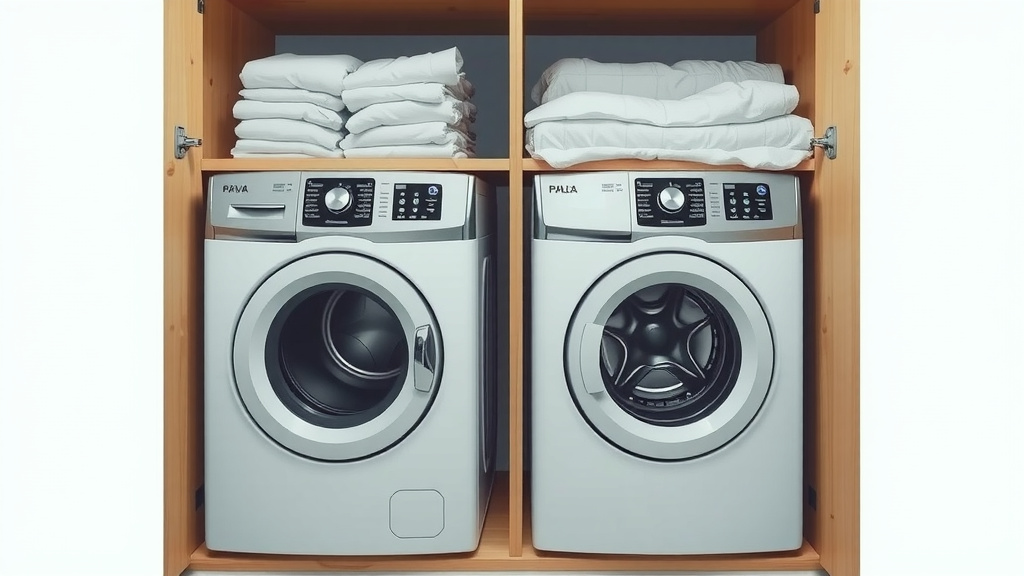
How to Double Stack Your Washer and Dryer Safely
Yes, you can absolutely double stack your washer and dryer to save precious floor space in your home. This is a popular solution for small laundry rooms or apartments. Proper installation ensures both safety and functionality for your appliances.
Doubling up your laundry machines means you gain back valuable square footage. It transforms a cramped laundry closet into a more usable area. Many homeowners find this setup is a smart way to organize their laundry space without sacrificing convenience. It’s especially helpful if you have a larger household and need to run multiple loads.
- Save space by stacking your units vertically.
- Ensure proper securing for safety and stability.
- Consider the height and accessibility of controls.
- Understand the requirements for your specific models.
Let’s walk through exactly how to get your washer and dryer stacked safely and effectively.
Stacking Your Washer and Dryer Safely: A Step-by-Step Guide
Yes, you can absolutely stack your washer and dryer to reclaim precious floor space. This is a popular solution for small laundry rooms or apartments. Proper installation ensures both safety and functionality for your appliances.
Choosing the Right Appliances for Stacking
Before you even think about lifting a machine, you need to make sure your appliances are suited for stacking. Not all washers and dryers are created equal in this regard. You’ll want to look for models specifically designed or approved for this setup.
Front-Loaders Are Your Best Bet
When it comes to stacking, front-loading washing machines and dryers are generally the ideal choice. Their design offers a stable, flat top surface on the washer. This provides a secure base for the dryer to sit on. Top-loading machines typically have lids that open upward. This makes them unstable for placing another appliance on top.
Checking Manufacturer Recommendations
The most critical step is to consult your appliance manuals. Manufacturers will clearly state if their models are stackable. Many brands offer specific stacking kits designed to connect the units securely. These kits are not optional; they are essential for safety. Skipping this step is a recipe for disaster, like trying to balance a stack of pancakes without any syrup.
Consider the Dimensions and Weight
Make sure the dimensions of your washer and dryer are compatible. Usually, the dryer is slightly shallower than the washer. This allows for easy access to the washer’s controls. Also, consider the weight of the appliances. You need to ensure your floor can support the combined weight, especially when the machines are in operation.
Gathering Your Stacking Supplies
Once you’ve confirmed your appliances are ready for their vertical adventure, it’s time to gather everything you’ll need. Think of this like preparing for a DIY project; having all your tools and materials handy makes the process much smoother.
Essential Tools and Hardware
You’ll likely need a few basic tools. A level is crucial to ensure everything is plumb. You’ll also need a drill with appropriate bits. Screwdrivers, a wrench, and possibly a socket set might come in handy. Don’t forget safety gear like work gloves and eye protection.
The All-Important Stacking Kit
As mentioned, the stacking kit is non-negotiable. This usually includes a bracket or straps that physically connect the washer and dryer. It prevents the top unit from shifting or tipping. These kits are model-specific, so be sure you have the correct one for your exact washer and dryer. Many experts emphasize this for preventing accidents.
Water and Dryer Venting Components
You’ll need to ensure your water hoses and the dryer vent hose are long enough to reach their connections when stacked. It’s often a good idea to replace old hoses with new, reinforced ones. This prevents leaks and potential water damage, which can be a real headache.
The Stacking Process: Step-by-Step
Now for the main event! This process requires careful maneuvering. It’s best to have a second person help you, especially when lifting the dryer. Safety first, always!
Prepare the Washer
Start by placing the washing machine in its final position. Make sure it’s level. You can adjust the machine’s feet to achieve this. A balanced washer prevents vibrations that could destabilize the stack. You don’t want your laundry room sounding like a rock concert.
Position the Dryer
This is where the helping hands come in. Carefully lift the dryer and place it squarely on top of the washer. Ensure the back of the dryer aligns with the back of the washer if the design allows. This helps with balance and vent hose routing. Take your time and communicate with your helper.
Secure the Appliances with the Stacking Kit
Follow the specific instructions provided with your stacking kit. Typically, this involves screwing brackets into the back of the appliances or using strong straps. This connection is what keeps the dryer from sliding off. Many installation guides from appliance manufacturers strongly recommend this step for stability.
Connecting Hoses and Vents
Once the units are secured, connect the water hoses to the washer and the dryer vent hose to the wall outlet. Ensure all connections are tight but not overtightened. A loose vent hose can lead to lint buildup, posing a fire hazard. According to the U.S. Fire Administration, clogged dryer vents are a leading cause of house fires.
Leveling the Stack
With both machines in place and secured, use your level one last time. Check that the entire stack is stable and plumb. Any wobble indicates a need for adjustment.
Important Considerations for Your Stacked Setup
Stacking your laundry appliances is a fantastic space-saver, but there are a few extra points to keep in mind for long-term satisfaction and safety.
Accessibility of Controls
If the dryer controls are on the back, this setup can be a bit awkward. Many newer dryer models have controls on the front, making them much easier to access when stacked. If your dryer has rear controls, consider if reaching them will be a significant inconvenience for you. We’ve found that front-facing controls are a real plus.
Maintenance and Repairs
Getting to the back of the appliances for maintenance or repairs can be tricky. Ensure you have enough clearance around the stacked units. If a repair person needs to access the washer, the dryer will have to be removed. This is a crucial point to remember before you stack them up.
Electrical and Plumbing Access
Make sure the electrical outlets and water valves are easily accessible. You don’t want the stacked units blocking them. If they are difficult to reach, you might need to adjust the appliance placement slightly. This can sometimes be a puzzle, but it’s important for function.
Quick Checklist for a Successful Stack
Before you start, give yourself a quick mental run-through with this checklist:
- Check Manufacturer Compatibility: Are both your washer and dryer approved for stacking?
- Obtain the Correct Stacking Kit: Is it the right one for your specific models?
- Gather Tools and a Helper: Do you have everything you need, and an extra pair of hands?
- Ensure Level Surface: Is the floor flat and can you level the washer properly?
- Secure the Connection: Will you firmly attach the units with the stacking kit?
- Vent Hose Safety: Is the vent clear and securely connected to prevent fires?
Conclusion
You’ve now got a clear roadmap to safely stack your washer and dryer. This smart move can dramatically improve your laundry room’s layout. Remember to always prioritize checking your appliance manuals and using the correct stacking kit. These steps are vital for a stable, functional setup. Once your units are securely in place, you’ll enjoy the benefits of a more organized and spacious home. Your next step is to gather your supplies and make that space-saving transformation!
Frequently Asked Questions
What if my washer isn’t a front-loader? Can I still stack it?
Generally, front-loading washers are recommended for stacking because they offer a stable, flat top. Top-loaders have lids that open upwards, making them unsuitable and unsafe for placing a dryer on top. It’s best to stick with front-loaders for a stacked setup.
How do I know if my specific washer and dryer are stackable?
The most reliable way is to check your appliance’s user manual. Manufacturers will clearly indicate if their models are designed and approved for stacking. If you can’t find the manual, you can often find this information on the manufacturer’s website by searching your model number.
Is it okay to use a universal stacking kit instead of a model-specific one?
It’s highly recommended to use the stacking kit designed specifically for your washer and dryer models. Universal kits may not provide the secure fit needed. Using the correct kit ensures the appliances are properly aligned and firmly connected, preventing accidents.
Will stacking affect my appliance’s warranty?
Improper installation, including not using a manufacturer-approved stacking kit or incorrectly securing the units, could potentially void your appliance warranty. Always follow the manufacturer’s instructions precisely to keep your warranty valid and ensure safe operation.
How much clearance do I need around the stacked units?
You’ll want enough space to easily access the back for cleaning and potential repairs, as well as to connect hoses and vents. Aim for at least a few inches of clearance on the sides and back. This ensures proper airflow and makes maintenance much less of a struggle.