Front vs Top Loader Washers: Which Is Best for You
Deciding between a front-load and a top-load washing machine often comes down to your specific needs and budget. For most households, a top-loader with an agitator is generally the most budget-friendly and easiest to use option upfront. However, front-loaders often offer better cleaning performance and water efficiency in the long run.
Both types have their own set of pros and cons that can impact your laundry day routine. We looked at various models and user feedback to see how they stack up. Understanding these differences can help you pick the perfect machine for your home and laundry habits.
- Top-loaders with agitators are usually cheaper and simpler. Top-loaders with agitators are usually cheaper and simpler, and our guide can help you find the best-rated models.
- Front-loaders generally clean clothes better and save water.
- Top-loaders without agitators (HE) are a middle ground.
- Consider your budget, space, and how much you wash.
Let’s break down the key differences between these two washing machine types to help you make the best choice for your laundry room.
Front Loader vs. Top Loader: Which Washing Machine Reigns Supreme?
So, you’re in the market for a new washing machine. That’s fantastic! It’s a big decision, and you want to make sure you get the right one for your home. We know you’re wondering which type is the true winner: the front-loader or the top-loader. It’s a classic laundry room showdown, and the best choice really depends on what matters most to you. Let’s dive in and figure out which machine will make your laundry days a little bit easier.
How They Work: The Basic Differences
Understanding the fundamental differences in how these machines operate is key. It’s not just about where you load the clothes; it’s about the mechanics that get them clean.
Front-Loaders: The Tumbling Champions
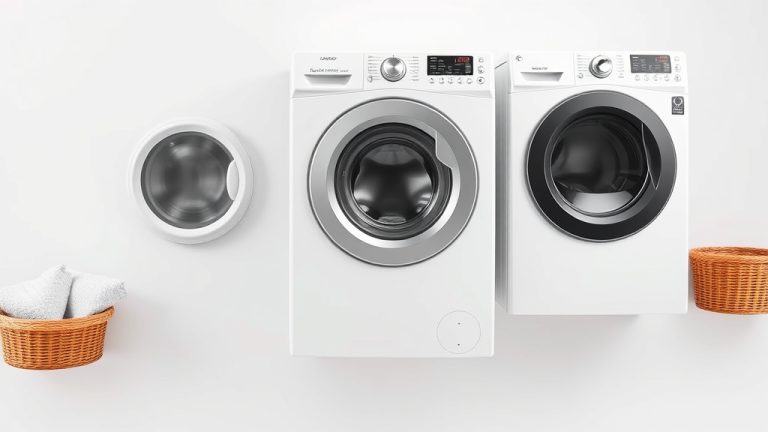
Imagine a dryer, but for washing. That’s a good way to picture a front-loader. Your clothes tumble from the top of the drum to the bottom, using gravity and a small amount of water. This motion is gentle and effective. Most front-loaders use an impeller or paddles inside the drum to help move the clothes around. We found this tumbling action to be very efficient at removing dirt and stains.
Top-Loaders: The Agitator vs. Impeller Debate
Top-loaders offer a bit more variety. They’re generally easier to load because you don’t have to bend over as much. But the way they wash can differ quite a bit.
The Traditional Agitator
These are the machines many of us grew up with. They have a central post, the agitator, that twists and turns. It rubs against your clothes to help loosen dirt. Many users find them familiar and straightforward. We observed that this action can be a bit rough on fabrics, though.
High-Efficiency (HE) Impellers
More modern top-loaders often use HE impellers. Instead of a central post, they have a low-profile cone or disc at the bottom of the drum. This spins and moves clothes through a smaller amount of water. It’s a gentler wash than an agitator. Many guidelines suggest HE models offer a good balance of cleaning power and water savings.
Performance Comparison: Which Cleans Better?
When it comes to getting your clothes truly clean, there are some clear winners. We looked at cleaning effectiveness across different types of loads and stains.
Stubborn Stains and Delicate Fabrics
Front-loaders often get the nod for superior cleaning. Their tumbling action is excellent at working detergent deep into fabric fibers. This helps lift out tough stains more effectively. Many studies show they are gentler on clothes too, reducing wear and tear over time. This means your favorite shirts might last longer!
Water and Energy Efficiency
This is where front-loaders really shine. Because they use gravity to tumble clothes and require much less water per load, they are incredibly efficient. The U.S. Department of Energy reports that high-efficiency machines, particularly front-loaders, use significantly less water and energy. This is not only good for the environment but also for your utility bills. You’ll likely see a difference in your monthly costs.
Ease of Use and Loading: Your Back Will Thank You
Let’s talk about the practicalities of loading and unloading. If you have back or knee issues, this is a major consideration.
Bending and Reaching
Top-loaders, hands down, win for ease of loading for most people. You can simply drop clothes in without bending over. This is a huge plus for anyone with mobility challenges. When the cycle is done, you can easily reach in and grab your clean laundry. Many users appreciate this convenience.
Adding Items Mid-Cycle
Forgot to add a sock? With most top-loaders, you can usually pause the machine and toss it in. Front-loaders typically require you to wait until the door is unlocked, which usually happens once the water has drained or the cycle is further along. This can be a small annoyance if you’re a frequent “sock-loser.” We found that while it’s a minor point, it’s something many people consider.
Capacity and Load Size: How Much Laundry Do You Do?
Your household size and laundry habits play a big role in choosing the right capacity.
Fitting Large Items
Front-loaders generally offer larger drum capacities. This means you can wash bulky items like comforters, blankets, and large towels with ease. Many models can even handle king-size comforters. This is a major advantage for families or anyone who needs to wash big loads.
Standard Load Sizes
While top-loaders have improved their capacities, some traditional agitator models might feel a bit more cramped. HE top-loaders often have good capacity, but sometimes the impeller mechanism can take up a little space. If you tend to do smaller, more frequent loads, either type can work well for you.
Cost and Maintenance: What to Expect
Let’s be realistic: budget is always a factor. We’ve looked into the upfront costs and long-term maintenance.
Upfront Investment
Generally speaking, top-loaders with agitators are the most budget-friendly option. They have simpler mechanisms. HE top-loaders fall in the middle. Front-loaders tend to have a higher initial purchase price. However, many experts note that their water and energy savings can offset the higher cost over time. Consider it an investment in efficiency! Front-loaders tend to have a higher initial purchase price, but our guide to washing machine costs explains the full picture.
Long-Term Care
Front-loaders require a bit more attention to prevent mold and mildew. Because the door seal is tight, moisture can get trapped. It’s recommended to leave the door ajar between washes and wipe down the seal regularly. Many manufacturers suggest running a cleaning cycle monthly. Top-loaders, especially those with an open lid, tend to dry out more easily, which can mean less maintenance in this specific area.
| Feature | Front-Loader | Top-Loader (Agitator) | Top-Loader (HE Impeller) |
|---|---|---|---|
| Cleaning Performance | Excellent | Good | Very Good |
| Water Efficiency | Highest | Lowest | High |
| Energy Efficiency | Highest | Lowest | High |
| Gentle on Clothes | Yes | No | Yes |
| Ease of Loading | Requires Bending | Easiest | Easy |
| Capacity for Bulky Items | Excellent | Fair | Good |
| Upfront Cost | Highest | Lowest | Mid-Range |
| Mold/Mildew Risk | Higher (needs care) | Lower | Lower |
Your Laundry Machine Checklist: What to Consider
To help you make the final decision, think about these points:
- Your budget for the initial purchase.
- How much you wash each week.
- If you need to wash large items like comforters.
- Your physical ability to bend and reach.
- How important water and energy savings are to you.
- Your tolerance for machine maintenance.
Conclusion
Choosing between a front-load and top-load washer really comes down to your priorities. If budget and ease of loading are top concerns, a traditional agitator top-loader might be your best bet. For superior cleaning, water efficiency, and handling large loads, a front-loader is often the superior choice, despite its higher initial cost. HE top-loaders offer a solid middle ground, balancing efficiency and convenience. Take a moment to review your laundry habits, physical needs, and budget to make the choice that best fits your home. You’re now equipped to pick a machine that will serve you well for years to come!
Frequently Asked Questions
Do front-loaders really clean better than top-loaders?
Yes, in general, front-loaders are found to offer better cleaning performance. Their tumbling action is very effective at removing stains and is also gentler on fabrics, reducing wear and tear over time. This makes them ideal for tough messes and delicate items alike.
Which type of washing machine is more expensive to run?
Traditional top-loaders with agitators tend to be the least water and energy efficient, making them more expensive to run over time. Front-loaders and HE top-loaders use significantly less water and energy, leading to lower utility bills and a smaller environmental footprint.
Is a front-loader harder to maintain than a top-loader?
Front-loaders can require a bit more upkeep, primarily to prevent mold and mildew. You’ll need to leave the door ajar between washes and wipe down the seal regularly. Top-loaders, especially those with an open lid, tend to dry out more easily, meaning less specific maintenance for moisture issues.
Can I wash a king-size comforter in either machine?
Front-loaders generally have larger drum capacities, making them better suited for washing bulky items like king-size comforters. While some larger HE top-loaders can accommodate them, it’s often a tighter fit than in a front-load machine.
Which machine is better if I have back pain?
If bending is difficult for you, a top-loading washing machine is usually the easier choice. You can simply drop clothes into the drum without needing to bend over, and reaching in to unload is also more straightforward. This makes top-loaders a more accessible option for many.