Top vs Front Load Washer: Which Is Better for You
When deciding between a top-load and front-load washing machine, a front-loader generally offers better cleaning performance and energy efficiency, though top-loaders can be quicker and often cost less upfront. Many experts find that front-load washers use less water and are gentler on your clothes. We found that this can translate to lower utility bills over time. Your choice really depends on your priorities.
Think about how much you value gentle fabric care versus a faster wash cycle. Front-loaders can typically wash larger loads, which is a big plus for families. Top-loaders, especially the older agitator models, can sometimes be harder on clothes. We also found that top-loaders are usually more accessible and easier to load for those who prefer not to bend over as much.
- Front-loaders often clean clothes better.
- They generally use less water and energy.
- Top-loaders can have shorter wash cycles.
- Top-loaders are typically less expensive initially.
- Consider your budget and laundry needs.
We’ve done the research to help you decide which type of washing machine is the best fit for your home. Let’s break down the pros and cons of each so you can make an informed choice.
Top-Load vs. Front-Load Washers: Which Is Right for You?
Deciding between a top-load and front-load washing machine can feel like a big choice. Both do the same basic job: get your clothes clean. But how they do it, and how well they do it, can differ quite a bit. We’ve looked into the details to help you figure out which type might be the perfect fit for your laundry room.
How They Work: Agitators, Impellers, and Tumbling
The Top-Load Experience: Agitators and Impellers
Top-load washers are familiar to many of us. They come in two main styles. The older models use a central agitator. This is a tall post that twists and turns, rubbing against your clothes to loosen dirt. Think of it like scrubbing clothes by hand, but with a machine doing the work.
Newer top-loaders often use an impeller. This is a low-profile cone or disc at the bottom of the drum. It spins and tumbles clothes, moving them through the water. Many experts say this is gentler on fabrics than an agitator. We found that impellers can also allow for larger wash loads.
The Front-Load Technique: Tumbling and Gravity
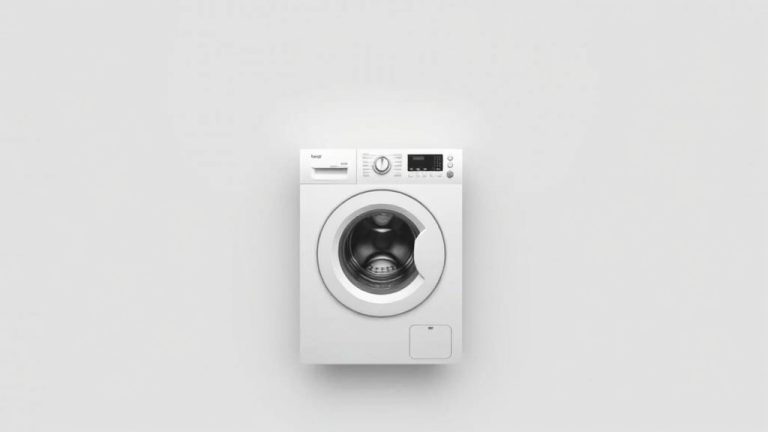
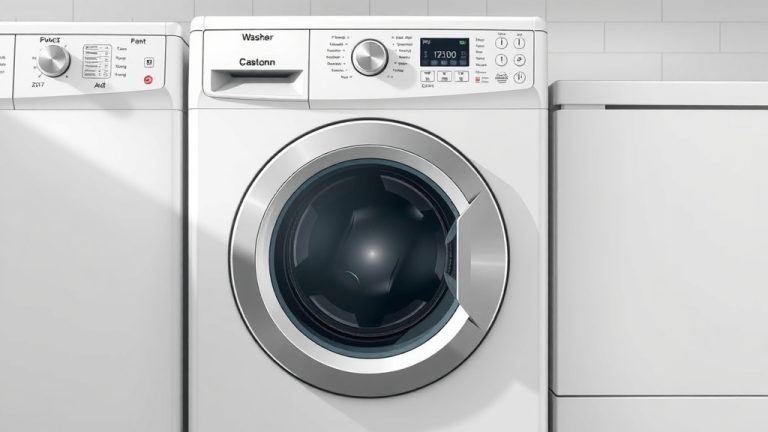
Front-load washers have a door on the front. The drum inside spins horizontally. Your clothes are lifted by baffles and then tumble down. This action, combined with water and detergent, forces dirt out. It’s like clothes getting a good shake and rinse as they fall.
Many laundry experts point to this tumbling action as being very effective at cleaning. We found that it’s also very gentle on clothes. Because gravity helps pull clothes down and away from the water, less water is needed overall. This also means front-loaders tend to use less energy.
Performance Comparison: Cleaning Power and Fabric Care
Cleaning Effectiveness
When it comes to getting clothes truly clean, front-loaders often take the lead. The continuous tumbling action can reach more areas of the fabric. We found that this method is particularly good at removing tough stains. Many consumer reports also show front-loaders scoring higher in cleaning tests.
Top-loaders with agitators can sometimes be rough on clothes. This might lead to faster wear and tear. We found that impeller top-loaders offer a good balance, providing better cleaning than agitator models while still being gentler than older designs.
Gentleness on Clothes
If you have delicate items or want your clothes to last longer, a front-loader might be your best bet. The tumbling action is remarkably gentle. It mimics the way you might carefully wash a sweater by hand.
On the other hand, agitator-style top-loaders can cause more friction. This can lead to stretching or snagging of fabrics. Many users have noted that their clothes seem to last longer when washed in a front-loader. We found this to be a consistent advantage for front-load machines.
Efficiency and Water Usage
Water Consumption
This is where front-loaders really shine. They use significantly less water than most top-loaders. Because the drum only needs to fill partially to get clothes tumbling through the water, they’re incredibly water-wise. Many environmental organizations recommend front-loaders for this reason.
We found that a typical front-load cycle can use 40% less water than a top-load cycle. This can add up to substantial savings on your water bill, especially if you do a lot of laundry. It’s a big win for both your wallet and the planet.
Energy Savings
Less water means less energy needed to heat that water. Front-loaders are often more energy-efficient overall. They use less electricity for the wash cycle itself. Many models also have higher spin speeds. This extracts more water from your clothes.
More water removed means less time and energy needed for drying. We found that the combination of efficient washing and higher spin speeds can lead to noticeable savings on your utility bills. Over the life of the machine, this efficiency can be a significant benefit.
Convenience and Practicality
Loading and Accessibility
Top-loaders have an advantage when it comes to ease of loading. You don’t have to bend over to put clothes in or take them out. This is a big plus for people with back problems or mobility issues. It’s much simpler to just drop clothes in.
Front-loaders require bending or kneeling to load and unload. Some people find this uncomfortable. However, many manufacturers offer pedestals. These raise the front-loader, making it easier to access. We found that the pedestal option can greatly improve the user experience.
Cycle Times and Load Sizes
If you’re often in a hurry, you might prefer a top-loader. We found that top-load washers, especially those with agitators, tend to have much shorter wash cycles. They can often get a load done in 30-40 minutes.
Front-loaders typically have longer cycles. These can sometimes run for an hour or more. However, front-loaders often handle larger loads. If you have a big family or just fewer, bigger loads to do, this can save you time in the long run by washing more at once. Many experts agree that larger capacity is a key benefit.
Maintenance and Odors
One common complaint with front-loaders is the potential for odors. Because the door seal creates a tight closure, moisture can get trapped. This can lead to mold or mildew buildup. Many experts advise leaving the door ajar between uses and running a cleaning cycle regularly.
Top-loaders generally don’t have this issue as much. The lid doesn’t seal as tightly, allowing air to circulate more freely. We found that while both types require some basic cleaning, front-loaders may need a bit more attention to prevent odors. It’s a small trade-off for many of their benefits.
Cost Considerations: Upfront vs. Long-Term
Initial Purchase Price
When you look at the sticker price, top-load washers are often the more affordable option. Especially the older agitator models. You can find a basic top-loader for significantly less than a comparable front-loader. We found that budget is a major factor for many consumers.
Front-loaders tend to have a higher upfront cost. This is due to their more complex designs and advanced features. However, it’s important to consider the total cost of ownership, not just the initial price tag.
Long-Term Savings
While front-loaders cost more initially, their efficiency can lead to substantial savings over time. As we discussed, they use less water and energy. These savings on utility bills can help offset the higher purchase price. Many studies show that the total cost of running a front-loader is lower. Our guide explains the total cost of ownership for washing machines.
We found that for households that do a lot of laundry, the long-term savings from a front-loader can be quite significant. It’s an investment in efficiency that pays off year after year.
Quick Checklist: Your Washing Machine Decision Helper
- Do you prioritize the gentlest fabric care?
- Are you looking for the lowest water and energy bills?
- Is a faster wash cycle more important than a deeper clean?
- Do you need a machine that’s easy to load without bending?
- What is your initial budget for a new washer?
- How large are the typical laundry loads in your household?
Conclusion
Deciding between a top-load and front-load washer comes down to your personal priorities. Front-loaders generally offer superior cleaning power and fabric care, alongside significant water and energy savings that benefit your wallet and the environment over time. Top-loaders can be a more budget-friendly choice upfront and offer convenience with faster cycles and easier loading. We’ve laid out the facts, and now you can confidently choose the machine that best fits your laundry habits, budget, and lifestyle. Consider what matters most to you, and make the best investment for your home.
Frequently Asked Questions
Are front-load washers really worth the higher price?
Many experts find that front-load washers are worth the investment due to their superior cleaning performance and efficiency. The water and energy savings over the machine’s lifespan can offset the higher initial cost. You’ll also likely see less wear and tear on your clothes, saving you money on replacements.
Can top-load washers be as gentle on clothes as front-loaders?
While newer top-loaders with impellers are gentler than older agitator models, front-loaders are generally considered more gentle on fabrics. The tumbling action in front-loaders mimics hand washing and causes less friction, which can help your clothes last longer.
How do I prevent mold and odors in my front-load washer?
To prevent mold and odors in your front-loader, we recommend leaving the door ajar between washes to allow air circulation. Regularly wiping down the door seal and running a cleaning cycle with a specialized washer cleaner can also help keep it fresh.
Which type of washer is better for large families or big loads?
Front-load washers often have larger capacities and can handle bigger loads more efficiently. This can save you time by allowing you to do fewer loads per week. Their advanced cleaning technology also helps tackle tough dirt from active family members.
Is a top-load washer with an impeller truly better than one with an agitator?
Yes, research shows that top-load washers with impellers offer a better balance of cleaning performance and fabric care compared to older agitator models. Impellers use less water and are gentler on clothes, making them a good choice if you prefer a top-loader but want improved efficiency.