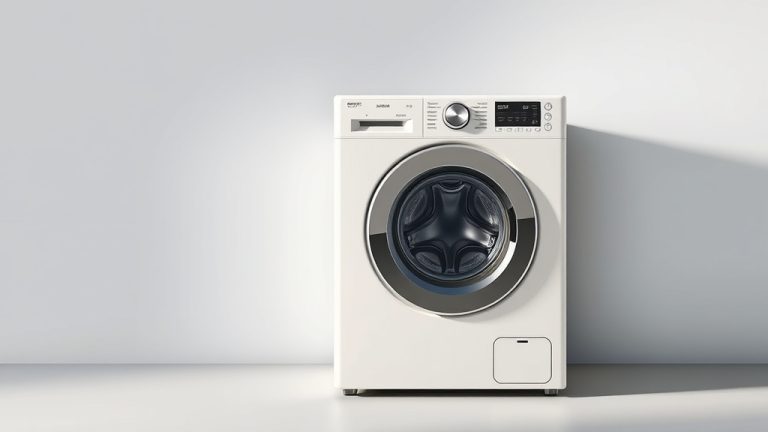
Best Portable Washing Machine Guide 2026
The best portable washing machine for you really depends on your needs, but generally, compact, dual-tub models offer the most bang for your buck for small loads. These machines are perfect for apartments, RVs, or anyone needing a laundry solution without a full-sized hookup. They provide a practical way to get clothes clean anywhere.
Choosing the right portable washer means looking at its capacity and how much space you have. We’ve researched many options, and they range from tiny single-tub units to larger dual-tub systems. Consider what types of clothes you’ll wash and how often. A good portable washer can save you time and money on laundromats.
- Capacity matters for your load size.
- Dual-tub models offer spin-drying.
- Check dimensions for your available space.
- Consider energy efficiency for long-term savings.
- Look for user reviews on durability and performance.
Ready to ditch the laundromat? Let’s dive into the top portable washing machines we found, helping you pick the perfect one for your situation. If you’re wondering about the cost, our guide to portable washing machines can help.
Finding Your Ideal Portable Washing Machine
So, you’re looking for a portable washing machine? That’s a smart move if you’re short on space or just want more laundry flexibility. These handy devices can be a lifesaver for apartment dwellers, RV travelers, or anyone who hates trips to the laundromat. But with so many options, how do you pick the right one?
We’ve dug into what makes a portable washer great, focusing on factors like capacity, ease of use, and how well they actually clean your clothes. Let’s break down what you should consider to find the perfect fit for your needs.
Understanding Portable Washer Types
Portable washing machines come in a few main styles. Knowing the differences will help you narrow down your choices fast. They are designed to be compact and easy to move. This makes them super convenient.
Single Tub Washers
These are the most basic and often the smallest. A single tub unit does both washing and rinsing in the same drum. After washing, you typically have to manually move the clothes to a separate spin-dryer basket or wring them out yourself. They are usually the most affordable option.
They are great for very small loads, like a few socks or undergarments. If you’re washing anything bulky, like a single pair of jeans, you might find them a bit restrictive. Think of them as a step up from hand-washing.
Dual Tub Washers
This is where things get a bit more advanced and, frankly, more useful for most people. Dual tub models have two separate compartments: one for washing and one for spinning. You wash your clothes in one tub, then transfer them to the other for a high-speed spin cycle to remove excess water. This speeds up drying time considerably.
These are often the workhorses of the portable washing machine world. They can handle slightly larger loads than single tubs and offer a more complete washing experience. Many people find the convenience of the spin cycle a huge advantage.
All-in-One Portable Washers
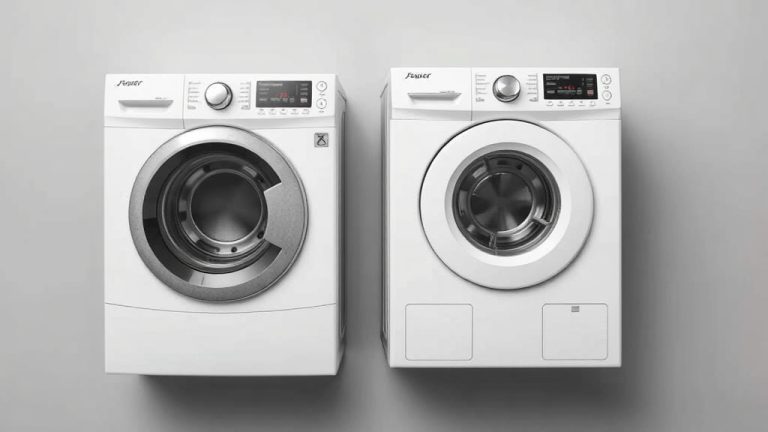
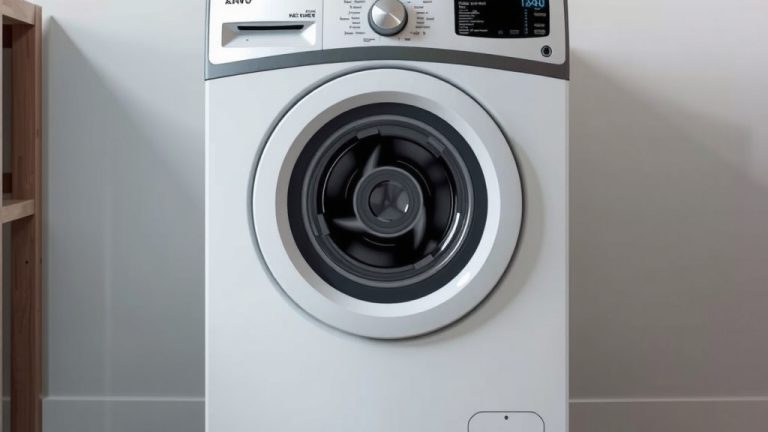
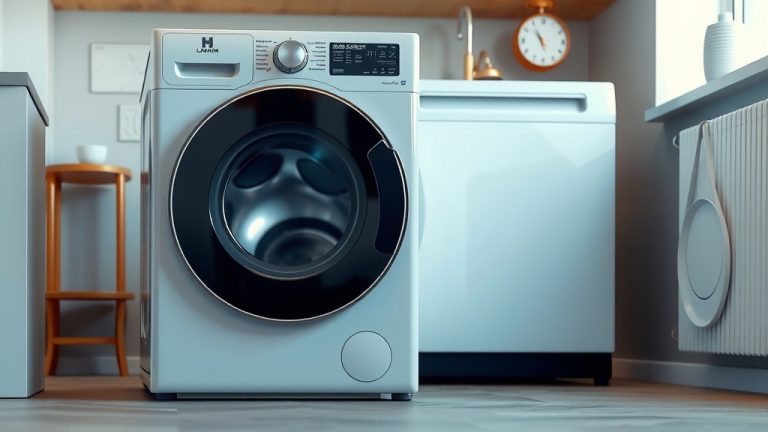
These are the most sophisticated portable units. They combine washing and spinning into a single drum, much like a traditional full-sized washing machine. They connect to a water source and drain just like their larger counterparts. Some models even have built-in heating elements or multiple wash cycles.
While they offer the most convenience, they are often larger, heavier, and more expensive. They might require a more stable water connection. If you want the closest experience to a standard machine but need portability, this is your route. Make sure you have enough space for these.
Key Features to Look For
Beyond the basic type, several features can make or break your portable washer experience. Let’s explore what really matters.
Capacity and Size
Capacity is measured in pounds or cubic feet. A 5-pound washer won’t handle much more than a few t-shirts and some socks. A 15-pound model can tackle a small load of towels or a couple of pairs of jeans. Always consider how much laundry you do at once.
Measure the space where you plan to keep the washer. Don’t just guess! You need room for the machine itself, plus a little extra for access and potential water hookups. Some are slim and tall, while others are wider and shorter.
Spin Speed
For dual-tub and all-in-one models, the spin speed is crucial. Higher RPMs (revolutions per minute) mean more water is extracted from your clothes. This leads to faster drying times. Look for models that offer a decent spin, ideally 1000 RPM or higher if you can find it in a portable unit.
It’s not just about speed; stability is key. A good spin cycle shouldn’t make the machine vibrate excessively or sound like it’s about to take flight. Check user reviews for comments on noise and vibration.
Ease of Use and Setup
How easy is it to fill with water? How simple is the drainage process? Some models come with quick-connect hoses for a faucet, while others might require buckets. You want a machine that simplifies your laundry routine, not complicates it.
Controls should be intuitive. Dials and simple buttons are usually best. Complex digital interfaces can be overwhelming on a small appliance. Think about whether you’ll be moving it often. Wheels or sturdy handles can be a big help.
Durability and Build Quality
Portable doesn’t have to mean flimsy. Look for units made with sturdy plastic or metal components. Motors are key; a powerful motor will last longer and handle loads better. User reviews are your best friend here. People will tell you if a machine falls apart after a few months.
Consider the warranty offered by the manufacturer. A longer warranty can be a good indicator of confidence in the product’s longevity. We found that many reputable brands offer at least a one-year warranty on parts and labor.
Comparing Popular Portable Washer Types
Let’s look at how the different types stack up for common needs. This will help you see which might be the best fit for your lifestyle.
| Feature | Single Tub | Dual Tub | All-in-One |
|---|---|---|---|
| Capacity | Smallest (e.g., 5-8 lbs) | Medium (e.g., 10-20 lbs) | Medium to Large (e.g., 15-25 lbs) |
| Spin Dry Function | No (Manual) | Yes (Separate Tub) | Yes (Integrated) |
| Water Hookup | Manual (Bucket/Hose) | Manual (Bucket/Hose) | Hose Connection (Often Faucet) |
| Portability | Very High | High | Moderate |
| Price | Lowest | Mid-Range | Highest |
| Best For | Delicates, very small loads, budget shoppers | Most everyday laundry needs, apartments, RVs | Convenience, larger portable loads, minimal effort |
Making the Final Choice: A Quick Checklist
Ready to make a decision? Here’s a quick checklist to run through:
- Confirm your available space: Measure twice, buy once!
- Estimate your typical load size: How many shirts or towels do you wash?
- Prioritize spin-drying: Is a fast spin essential for your drying setup?
- Consider water hookup convenience: Do you want a direct hose connection or are you okay with buckets?
- Read recent user reviews: What are people saying about reliability and performance?
Conclusion
You’ve now seen how different portable washing machines can fit your lifestyle. Single-tub models are budget-friendly for tiny loads. Dual-tub washers offer a great balance of capacity and spin-drying convenience, making them a top choice for many. All-in-one units provide the most features but require more space and budget.
Your best portable washer hinges on your specific needs: laundry volume, available space, and how much you value spin-drying speed. Take a moment to measure your space and think about your typical laundry habits. This will help you make the right choice to simplify your chores.
Frequently Asked Questions
How much laundry can a portable washing machine actually handle?
Portable washer capacities vary widely, from about 5 pounds for very compact single-tub units to over 20 pounds for larger all-in-one models. You should check the product’s listed capacity in pounds or cubic feet. This will help you match it to your typical load sizes to avoid overfilling.
Do portable washing machines require special hookups?
Most portable washers, especially single and dual-tub models, don’t need permanent hookups. You can often fill them using a bucket or a portable hose that attaches to a faucet. All-in-one units may offer a more direct hose connection, similar to a standard machine.
How long does it take to wash a load in a portable machine?
Wash cycles on portable machines are generally faster than full-sized ones, typically ranging from 10 to 30 minutes. The spin cycle in dual-tub or all-in-one models further speeds up the process by removing excess water, cutting down on overall drying time.
Are portable washing machines noisy?
Noise levels can vary by model and type. Smaller, lighter single-tub units might vibrate more. Dual-tub and all-in-one models with better balancing and sturdier construction tend to be quieter during operation. Always check user reviews for specific feedback on noise and vibration.
Can I use regular laundry detergent with a portable washing machine?
Yes, you can use regular laundry detergent. However, it’s often recommended to use high-efficiency (HE) detergents if available, especially with all-in-one models that mimic full-sized machines. Using too much detergent can cause excessive suds, which might be harder to rinse out in a smaller portable unit.