Best Washer and Dryer 2026: Your Ultimate Buying Guide
The best washer and dryer for your home depends on your specific needs, budget, and laundry habits. For most households, a high-efficiency (HE) front-load washer paired with a spacious dryer offers the best balance of cleaning power, energy savings, and gentle fabric care. Consider stackable units if you’re short on space.
Choosing the right laundry pair involves looking beyond just brand names. You’ll want to think about capacity – how much laundry do you do? Energy efficiency is key for saving money over time. We also found that different wash cycles and features can make a big difference in how your clothes come out.
- Look for high-efficiency (HE) models.
- Consider capacity based on your household size.
- Check energy ratings for long-term savings.
- Think about specialty cycles you might need.
- Don’t forget your available space.
Now, let’s dive into what makes a washer and dryer a great fit for your home and how to pick the perfect set for you.
Choosing the Right Washer and Dryer for Your Home
Finding the perfect washer and dryer can feel like a big task. You want something that cleans your clothes well. You also want it to last and not cost too much to run. We’ve looked into what makes a laundry pair a great choice. Here’s what you should consider to make sure you get the best fit for your needs.
Understanding Washer Types: Front-Load vs. Top-Load
When you start shopping, you’ll see two main types of washers: front-load and top-load. Each has its own pros and cons. The right one for you depends on how you do laundry and what you’re looking for in a machine.
Front-Load Washers: The Deep Cleaners
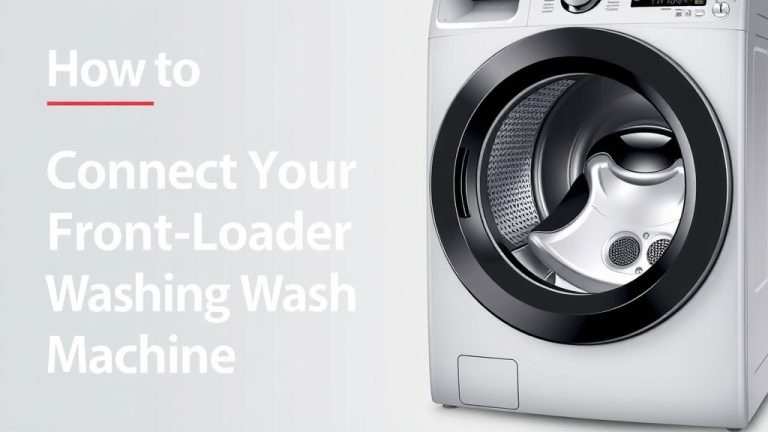
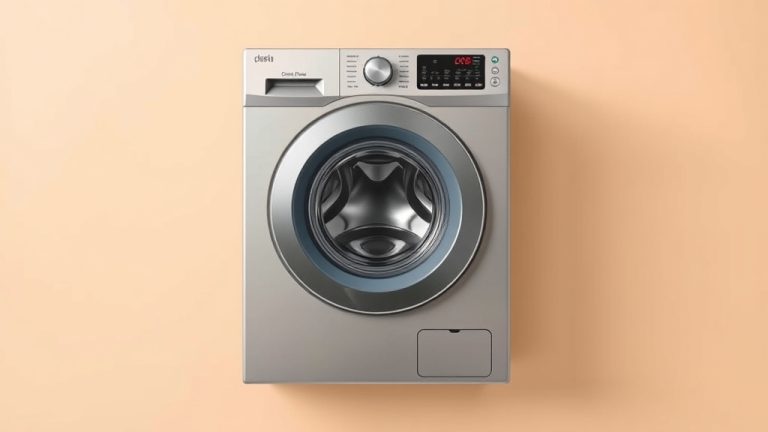
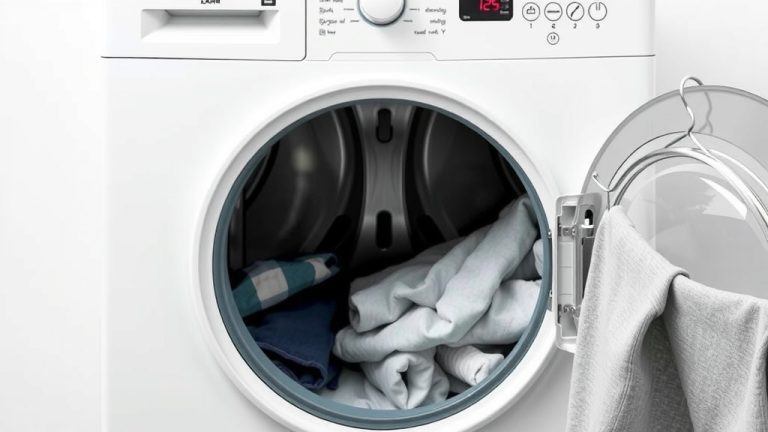
Front-load washers tumble clothes through a small amount of water. This action is very effective at removing dirt. They are also known for being gentle on fabrics. Many studies show they use less water and energy than top-loaders. This can save you money on utility bills over time. They also tend to spin clothes drier. This means less time in the dryer, saving even more energy.
One common concern is bending down to load and unload. However, many models can be placed on pedestals. This raises the door to a more comfortable height. They also often offer more advanced wash cycles and features. You might find steam options or specialized settings for different fabric types. We found that front-loaders are generally considered the most efficient choice available.
Top-Load Washers: The Accessible Option
Top-load washers have a lid on top. You load clothes from above. These machines can be either traditional agitator models or high-efficiency (HE) impeller models. Agitator models use a central post to move clothes around. HE impeller models use a low-profile disc at the bottom of the tub. This allows for more clothes to fit and uses less water.
Many people find top-loaders easier to load. You don’t have to bend over as much. You can also add clothes mid-cycle, which is handy if you forget an item. HE top-loaders are more water and energy-efficient than older agitator models. Many research findings suggest they offer a good balance for households that prefer this style. They can also be a bit faster for quick washes.
Dryer Essentials: What to Look For
Once you’ve chosen your washer, it’s time to think about the dryer. The main job is to remove moisture from your clothes. But there are features that can make this process better and more efficient.
Venting and Ventless Dryers
Most dryers are vented. This means they need to be connected to an outside vent. This vent exhausts the hot, moist air produced during drying. Vented dryers are generally faster and more energy-efficient. They are also typically less expensive upfront.
Ventless dryers, on the other hand, don’t need an external vent. They work by recirculating the air inside the dryer. Some use a condenser to remove moisture. Others are heat pump dryers, which are a type of ventless technology. Heat pump dryers are the most energy-efficient option. However, they can take longer to dry clothes. They also have a higher purchase price. If you live in an apartment or condo where venting isn’t possible, a ventless dryer is your best bet.
Capacity Matters: Finding the Right Size
Dryer capacity is measured in cubic feet. Think about the size of your loads. If you have a large family or do a lot of bulky items like comforters, you’ll want a larger capacity dryer. We found that a capacity of 7.0 cubic feet or more is good for big households. Smaller households might be fine with a dryer around 5.0 to 6.0 cubic feet.
A dryer that’s too small will overwork. Your clothes won’t dry properly. A dryer that’s too big might not be as efficient for smaller loads. It could lead to longer drying times. Many experts suggest matching your dryer capacity to your washer capacity. This ensures you can dry a full load without issues. It’s a good idea to check the dimensions. Make sure the dryer will fit where you plan to put it.
Energy Efficiency: Saving Money and the Planet
Energy efficiency is a big deal for both washers and dryers. Look for the ENERGY STAR label. This means the appliance meets strict energy efficiency guidelines set by the EPA. ENERGY STAR certified washers use less water and energy.
ENERGY STAR certified dryers also consume less energy. Heat pump dryers, as mentioned, are often the most efficient. They recycle heat. This drastically reduces energy consumption compared to traditional electric dryers. While these models might cost more upfront, the long-term savings on your utility bills can be substantial. We found that many households can save hundreds of dollars over the lifespan of an efficient appliance.
Key Features to Consider
Beyond the basic functions, many washers and dryers come with extra features. These can make laundry day easier. Here are a few to consider:
- Steam Cycles: Found on some washers and dryers, steam can help remove wrinkles, sanitize clothes, and refresh garments without a full wash or dry cycle.
- Smart Technology: Wi-Fi connected appliances let you control and monitor your laundry from your smartphone. You can get alerts when a cycle is done or even start a wash remotely.
- Sensor Dry: This feature in dryers automatically detects when clothes are dry. It shuts off the machine to prevent over-drying and save energy.
- Specialty Cycles: Look for cycles tailored to your needs, such as delicate, bulky items, quick wash, or sanitize options.
Think about which features will genuinely benefit your household. Sometimes, simpler models work just fine. Other times, a few extra features can make a big difference in convenience and results. Many consumer reports highlight how helpful sensor dry technology is for preventing shrinkage.
Space-Saving Solutions: Stackable Washer and Dryer Sets
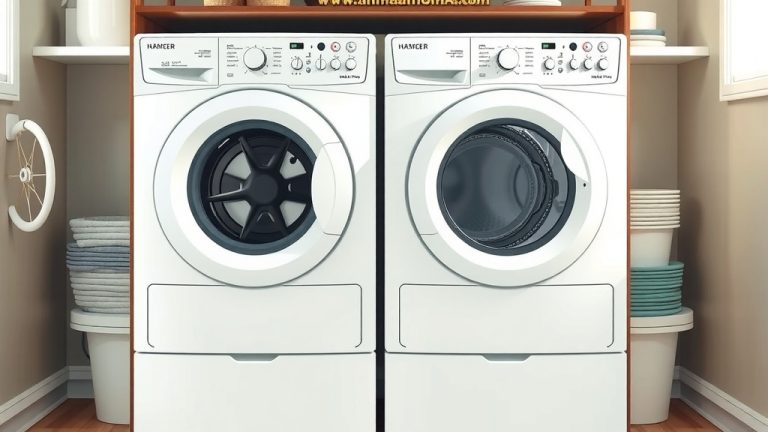
If you’re working with limited space, a stackable washer and dryer unit is a fantastic solution. These are typically front-load machines designed to be placed one on top of the other. This configuration takes up the floor space of just one appliance. It’s a popular choice for apartments, small homes, or even large homes with laundry rooms tucked away.
You can often buy them as a matched set. This ensures they are compatible and look good together. Remember to check the dimensions carefully. Ensure you have enough vertical clearance. You’ll also need a sturdy floor to support the weight. Many manufacturers offer specific stacking kits to securely fasten the units together. This is a safety must-have.
Making Your Final Decision: A Quick Checklist
To help you narrow down your choices, here’s a simple checklist:
- Assess your laundry volume: How many people are in your household?
- Measure your space: Will a standard pair or stackable unit fit?
- Prioritize efficiency: Look for ENERGY STAR certified models.
- Consider your budget: Factor in upfront cost and long-term energy savings.
- Identify must-have features: What cycles or technologies are important to you?
- Read reviews: See what other users say about reliability and performance.
Conclusion
You’re now ready to pick the best washer and dryer for your home. Remember to think about your household’s laundry habits and available space. High-efficiency front-load washers often offer the best cleaning and energy savings. Consider dryer capacity and energy ratings for long-term value. Don’t forget features that simplify your routine. Taking a moment to review your needs against these points will help you make a smart choice. Your next step is to start comparing models that fit your checklist.
Frequently Asked Questions
How often should I clean my washer and dryer?
You should clean your washing machine’s drum and dispenser monthly to prevent odors and buildup. For your dryer, clean the lint filter after every load. We also recommend checking and cleaning the dryer vent system at least once or twice a year for safety and efficiency.
Are HE washers and dryers really worth the extra cost?
Yes, HE washers and dryers are generally worth the investment. They use significantly less water and energy. This leads to lower utility bills over the appliance’s lifespan. Research and user reports show that the energy savings can often offset the higher initial purchase price.
What’s the difference between a heat pump dryer and a regular dryer?
A heat pump dryer uses a special refrigeration system to heat the air, making it much more energy-efficient. Regular dryers use traditional heating elements. Heat pump dryers can take longer to dry clothes but offer substantial energy savings. They also don’t require external venting, making them suitable for more locations.
Can I use regular detergent in an HE washing machine?
No, you should never use regular detergent in an HE washing machine. HE machines use less water, and regular detergents create too many suds. Using the wrong detergent can lead to over-sudsing, poor rinsing, and potential damage to your HE washer.
How can I tell if my dryer vent needs cleaning?
Signs your dryer vent needs cleaning include clothes taking longer to dry, the dryer feeling unusually hot to the touch, or the laundry room getting steamy. A clogged vent is also a fire hazard, so it’s important to address these issues promptly for safety.