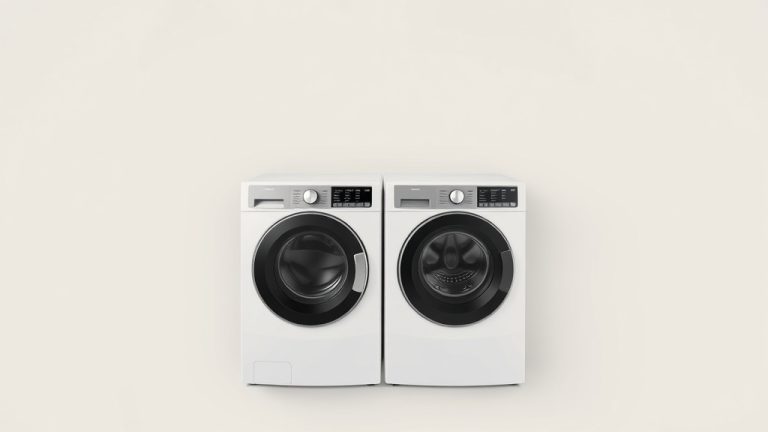
Front Load vs Top Load Washers: Which is Best for You
When choosing between a front-load and a top-load washing machine, front-loaders generally offer better cleaning performance and are more energy-efficient. While top-loaders can be faster and less expensive upfront, front-loaders often save you money in the long run on utility bills.
This choice impacts not just your laundry day but also your water and electricity usage over time. Many people wonder which type is truly better for their household needs. We’ve researched the key differences to help you make an informed decision for your home.
- Front-loaders often clean clothes better.
- They tend to use less water and electricity.
- Top-loaders can be cheaper to buy initially.
- Top-loaders are typically easier to load without bending.
- Consider your budget and laundry habits carefully.
Let’s walk through the specific advantages of each type so you can figure out which washing machine is your perfect match.
Deciding Between Front Load and Top Load Washers
Choosing the right washing machine is a big decision. It affects your clothes and your utility bills. We’ve looked at what makes each type stand out. Let’s explore the key differences so you can find the best fit for your home.
Front-Load Washers: The Gentle Giants
Front-load washers spin your clothes horizontally. This tumbling action mimics hand washing. It’s a gentler way to clean your garments. Many studies show they offer superior cleaning power. They also treat your fabrics with more care.
Performance and Fabric Care
You might notice your clothes lasting longer. That’s because front-loaders are kinder to materials. They don’t have an agitator that can snag or stretch clothes. This means less wear and tear on your favorite outfits. Many experts agree this is a major benefit for extending clothing life (Consumer Reports).
Energy and Water Efficiency
Front-loaders are famous for being water and energy sippers. They use less water per cycle. This is because they don’t need to fill the entire tub. They also tend to have higher spin speeds. Faster spinning removes more water. This can mean shorter drying times. Shorter drying means less energy used by your dryer. Research indicates they can save you a substantial amount on utility bills each year (Energy Star).
Advanced Features and Settings
Many front-load models come with innovative features. You’ll often find specialized wash cycles. These can be for delicates, sanitize, or steam cleaning. Some even connect to your smartphone. You can start or monitor cycles remotely. This offers a lot of convenience for busy households.
The Downsides to Consider
Front-loaders can have a higher upfront cost. They also tend to have longer cycle times. Some people find the bending down to load and unload difficult. There’s also the potential for mold or mildew. This can happen around the door seal if not maintained properly. Wiping the seal after each use helps prevent this.
Top-Load Washers: The Traditional Choice
Top-load washers have been around for a long time. They load from the top. This makes them easier for many people to use. There are two main types: those with an agitator and those without (high-efficiency or HE models).
Ease of Use and Accessibility
The most obvious benefit of a top-loader is ease of loading. You don’t need to bend over. This is a big plus for individuals with back issues or mobility challenges. Adding forgotten items mid-cycle is also usually simpler. Just pause the machine and toss them in!
Cycle Speed and Capacity
Top-loaders, especially those with agitators, often have faster wash cycles. This can be a real time-saver on busy laundry days. They can also handle large bulky items easily. Think bedding or large blankets. Their open tub design makes it simple to fit more in.
Cost and Maintenance
Generally, top-load washers are less expensive to purchase initially. Their repair costs can also be lower. They are often simpler machines. This means fewer complex parts that could break down. For budget-conscious shoppers, this is a major draw.
Efficiency Differences in Top-Loaders
Traditional top-loaders with agitators use more water and energy. Newer HE top-loaders are much more efficient. They use less water than older models. However, they may still use more water than front-loaders. We found that HE top-loaders offer a good balance for many families (U.S. Department of Energy).
Comparing Key Features at a Glance
Let’s lay out the main differences in a simple table. This should help you compare directly.
| Feature | Front Load | Top Load (Agitator) | Top Load (HE) |
|---|---|---|---|
| Cleaning Performance | Excellent | Good | Very Good |
| Water Efficiency | Highest | Lowest | Good |
| Energy Efficiency | Highest | Lowest | Good |
| Gentle on Clothes | Yes | No | Yes |
| Cycle Time | Longer | Shorter | Medium |
| Upfront Cost | Higher | Lower | Medium |
| Ease of Loading | Difficult (bending) | Easy | Easy |
Making the Right Choice for You
So, which type is the winner? It really depends on your personal needs and priorities. Consider these points:
- Your Budget: How much can you spend upfront?
- Laundry Habits: How often do you do laundry? Do you wash large loads?
- Space Availability: Do you need to stack your washer and dryer? (Front-loaders are stackable).
- Physical Comfort: Is bending difficult for you?
- Efficiency Goals: Are you aiming to reduce your utility bills?
- Clothing Care: Do you have many delicate items?
By thinking through these questions, you can narrow down your options. Both front-load and top-load machines can do a great job. It’s about finding the one that best serves your household.
Conclusion
Choosing between a front-load and a top-load washer comes down to your personal priorities. Front-loaders excel in cleaning performance and efficiency, saving you money on utilities over time. Top-loaders often win on upfront cost and ease of use, especially for those with mobility concerns. You might prefer a front-loader for delicate fabrics and long-term savings. A top-loader could be ideal if speed and simple loading are key for your household. Take a moment to review your budget, laundry habits, and physical needs. Then, you’ll be ready to select the machine that makes your laundry routine smoother.
Frequently Asked Questions
Are front-load washers really worth the higher upfront cost?
For many households, yes. While the initial purchase price is higher, front-loaders use significantly less water and energy. Research shows these savings can add up substantially on your utility bills over the lifespan of the machine. You also often get better cleaning and gentler fabric care.
Can I really add clothes to a top-load washer mid-cycle?
Generally, yes, especially with most top-load models. You can usually pause the cycle and lift the lid to add forgotten items. Front-load washers are more restrictive; adding items mid-cycle can be more complex or even impossible depending on the model.
Which type of washer is better for people with back pain?
Top-load washers are typically much easier for individuals with back pain or mobility issues. You don’t need to bend down to load or unload clothes. This accessibility is a major advantage for many users.
Do front-load washers take much longer to complete a wash cycle?
Yes, front-load washers often have longer cycle times compared to traditional top-loaders. This is partly due to their more advanced cleaning methods and energy-saving designs. However, their higher spin speeds mean clothes come out drier, potentially reducing dryer time.
Are high-efficiency (HE) top-load washers as efficient as front-loaders?
HE top-load washers offer a good improvement in water and energy efficiency over older agitator models. However, they generally still use more water than front-load washers. Front-loaders typically achieve the highest levels of water and energy efficiency.