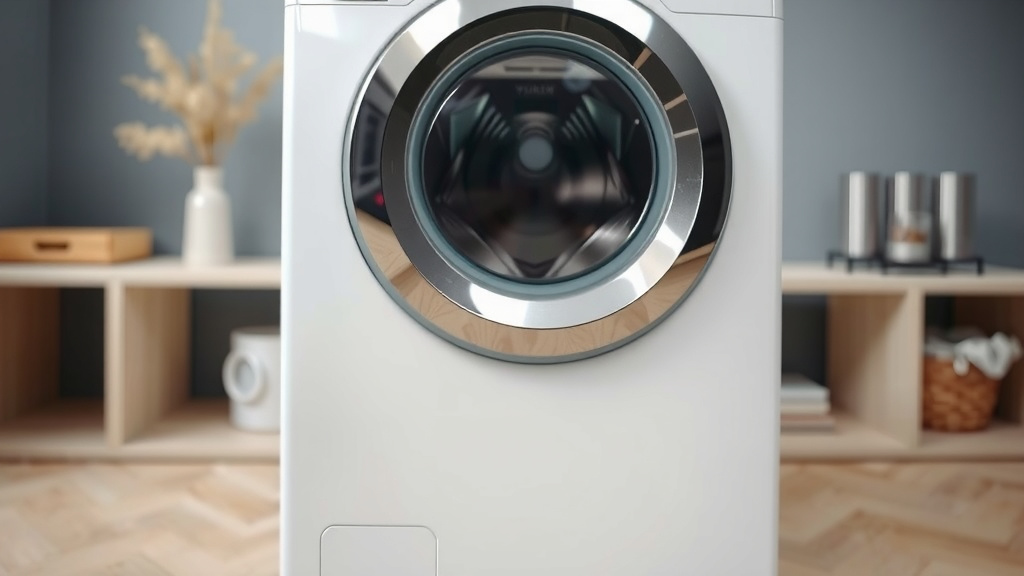
Choosing Your Next Washing Machine: Key Features to Consider
When looking for a washing machine, focus on your household’s needs and the space available. Consider capacity based on your family size and laundry frequency. Also, think about the type of washing action you prefer and any special features like steam cycles or smart capabilities.
We found that understanding washing machine basics like energy efficiency ratings and noise levels can save you money and headaches. Many experts also suggest checking for durability and reading reviews for long-term reliability. Your ideal machine balances performance with practical considerations.
- Capacity: Match size to your family.
- Type: Top-load vs. front-load matters.
- Features: Steam, smart tech, or basic?
- Efficiency: Look for ENERGY STAR ratings.
- Noise: Quieter models are often pricier.
Let’s dive into the key things you should be looking for to make sure you pick the perfect washing machine for your home.
Choosing Your Next Washing Machine: A Practical Guide
Selecting a new washing machine can feel like a big decision. You want something that cleans well and lasts. We’ve gathered what experts and research suggest you should focus on. You’ll want to think about how your household uses laundry. This guide breaks down the key factors.
Capacity: How Much Laundry Do You Actually Do?
This is often the first big question to ask yourself. How much dirty laundry piles up each week? Do you have a large family or just a couple of people? Washing machine capacities are measured in cubic feet.
Understanding Different Capacities
For smaller households (1-2 people), a smaller capacity machine around 2 to 3.5 cubic feet might be just fine. You’ll wash less at a time but use less water and energy. This can be a smart choice for budget-conscious individuals or couples.
Families of 3-5 people often do well with a medium capacity machine, typically between 3.5 and 5 cubic feet. This size can handle a decent load without being too large. It’s a good middle ground for most homes.
Larger families or those who want to do laundry less often might need a high-capacity machine. These start around 5 cubic feet and go up. You can wash bulky items like comforters easily. Just be sure it fits your space!
Type of Washing Machine: Top-Load vs. Front-Load
The classic choice boils down to two main types: top-loading and front-loading. Each has its own set of advantages and disadvantages.
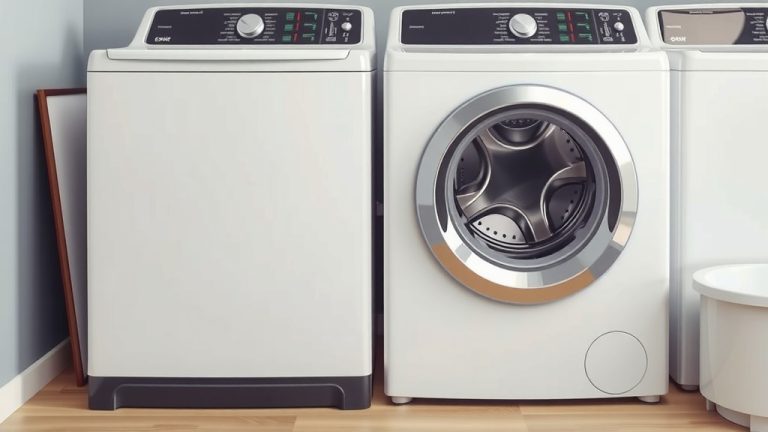
Top-Load Washers
Top-loaders are generally easier on your back because you don’t have to bend down as much. They also tend to be less expensive upfront. You can often add clothes mid-cycle if you forget something. Many people are just used to them.
Agitator vs. Impeller Top-Loaders
Within top-loaders, you’ll find two styles. Agitator models have a central post that twists clothes. These can be rougher on fabrics but are great for heavily soiled items. Impeller models use a low-profile disc instead of a post. They are gentler on clothes and offer more space inside the drum.
Front-Load Washers
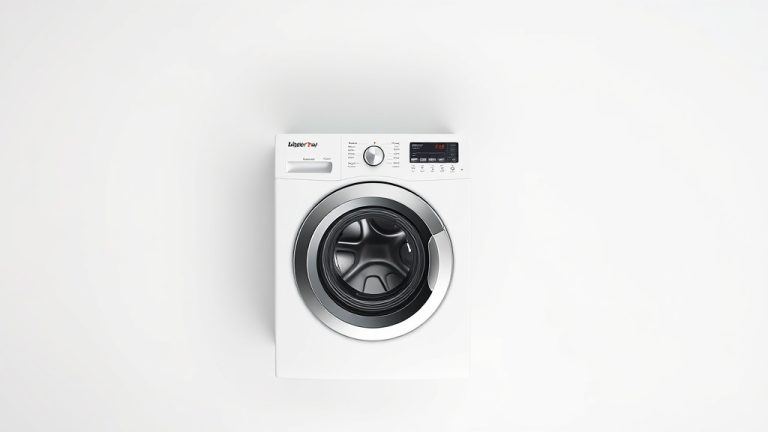
Front-loaders are known for being very efficient with water and energy. They use less water because the drum tumbles clothes through the water. This also means they tend to be gentler on your garments, leading to less wear and tear.
Many front-loaders offer better cleaning performance and can handle larger loads. The downside? They usually cost more upfront. You also have to bend down to load and unload, which can be tough for some. Plus, you can’t easily add items once a cycle starts.
Energy and Water Efficiency Ratings
Saving money on your utility bills is a big plus. Look for the ENERGY STAR label on washing machines. ENERGY STAR certified models are designed to use less energy and water than standard models.
A washing machine’s energy use is measured by its MEF (Modified Energy Factor) and WF (Water Factor). Higher MEF numbers mean more efficiency. Lower WF numbers mean less water used per cycle. These ratings are required by law and can help you compare models.
According to the U.S. Department of Energy, using an ENERGY STAR certified washer can save your household about $350 over the lifetime of the appliance. That adds up over the years!
Wash Cycles and Special Features
Do you need a basic machine or one with all the bells and whistles? Think about your common laundry needs. Most machines offer standard cycles like Normal, Delicates, and Heavy Duty.
Common and Advanced Cycles
Consider if you’ll use specialized cycles. Many machines now offer:
- Steam cycles: These can help sanitize clothes and reduce wrinkles.
- Allergen cycles: Designed to remove common allergens like dust mites and pet dander.
- Sanitize cycles: Use higher temperatures to kill bacteria.
- Quick wash cycles: For lightly soiled items when you’re in a hurry.
Smart Technology and Connectivity
Some modern washers come with smart capabilities. You can often control them with your smartphone. This means starting or stopping a load remotely. You might also get notifications when a cycle is done. Some even diagnose problems through the app. Is this a must-have for you?
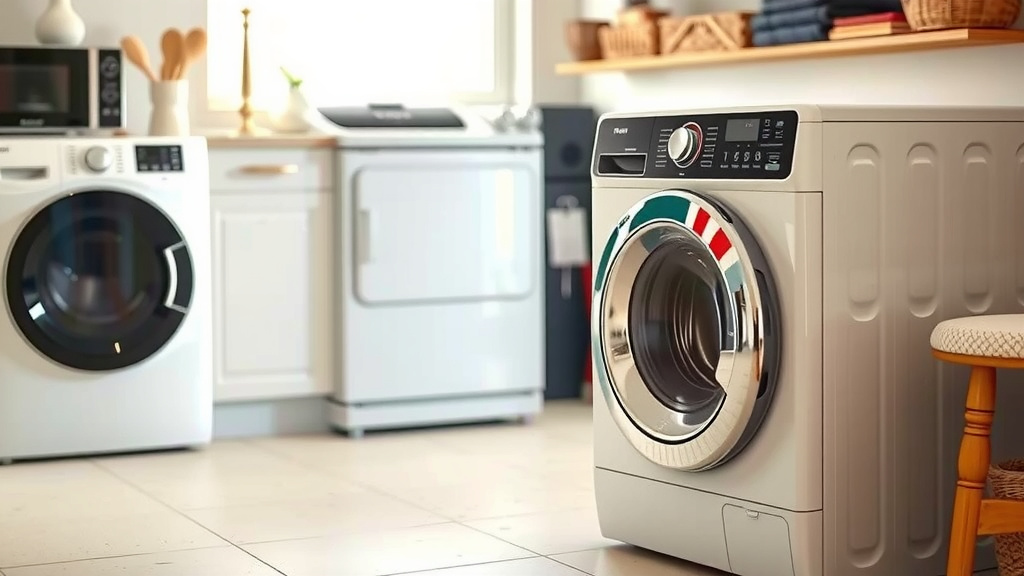
Noise Level and Vibration
Washing machines can be noisy! If your laundry room is near living areas, this is an important factor. Manufacturers often advertise their machines as “quiet” or “low vibration”.
Front-load washers are often designed to be quieter and vibrate less than older top-load models. They tend to have better suspension systems. If noise is a major concern, look for models with specific quiet operation features.
Durability and Reliability: Long-Term Value
You want a machine that will last for many years. Researching brand reliability is key. Some brands consistently get high marks for durability in consumer reports.
Read online reviews from real users. They can offer honest feedback about how a machine performs over time. Look for patterns in reviews regarding common problems. Websites like Consumer Reports often test machines for longevity.
Space and Installation Requirements
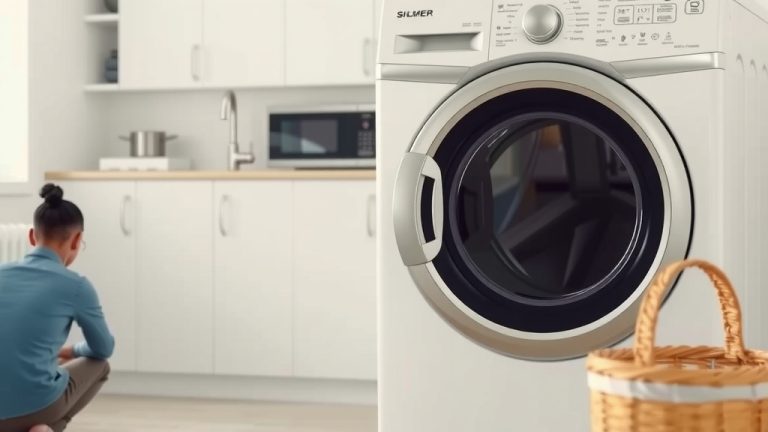
Before you buy, measure your laundry space carefully. You need to account for the machine’s dimensions. Also, remember to leave space for the door to open fully. You’ll need clearance for water hoses and electrical cords.
Consider the door swing direction for front-loaders. Can it open without hitting a wall or another appliance? Some models offer reversible doors. For top-loaders, ensure there’s enough clearance above for the lid to open.
Stackable Options
If space is extremely limited, a stackable washer-dryer unit might be your best bet. These are typically front-loading machines designed to fit one on top of the other. This saves a significant amount of floor space.
Your Washing Machine Checklist
Here’s a quick recap to help you decide:
- Measure your space: Ensure the machine fits comfortably.
- Estimate your laundry needs: Choose a capacity that matches your household size.
- Decide on top-load vs. front-load: Consider ease of use and cleaning efficiency.
- Check energy ratings: Look for the ENERGY STAR label to save on bills.
- Review special features: Do you need steam, sanitize, or smart tech?
- Read reliability reviews: Investigate brand reputation for long-term value.
Conclusion
Choosing the right washing machine involves more than just picking a pretty appliance. You’ve learned to consider your household’s actual laundry needs and the space you have available. Matching the right capacity, understanding the top-load versus front-load differences, and prioritizing energy efficiency can save you money. Don’t forget to factor in noise levels and desired special features. Your next step is to take those measurements and make a list of your must-have features. Then, start comparing models to find the perfect fit for your home and your budget!
Frequently Asked Questions
How do I know what washing machine capacity I really need?
Think about how many people are in your household and how often you do laundry. For 1-2 people, a smaller capacity (around 2-3.5 cu ft) is often sufficient. Families of 3-5 might prefer a medium capacity (3.5-5 cu ft), while larger families or those washing bulky items will benefit from a high-capacity machine (5+ cu ft).
Is a front-load or top-load washer better for my clothes?
Generally, front-load washers are considered gentler on clothes because they tumble items through the water rather than using an agitator or impeller. This can lead to less wear and tear on your garments over time.
How important is the ENERGY STAR rating on a washing machine?
The ENERGY STAR rating is very important if you want to save money on your utility bills. These certified models use significantly less energy and water compared to non-certified ones. The U.S. Department of Energy estimates savings of around $350 over the appliance’s lifetime.
Are smart washing machines worth the extra cost?
Smart washing machines offer convenience like remote control and cycle notifications via your smartphone. If you value being able to monitor or start laundry from anywhere, they might be worth it. For basic needs, standard models offer excellent cleaning without the added tech cost.
What’s the best way to check if a washing machine will be noisy?
Look for models that specifically advertise quiet operation or low vibration features. Front-load washers often have better suspension systems designed for quieter performance. Reading user reviews can also give you real-world feedback on a machine’s noise level.