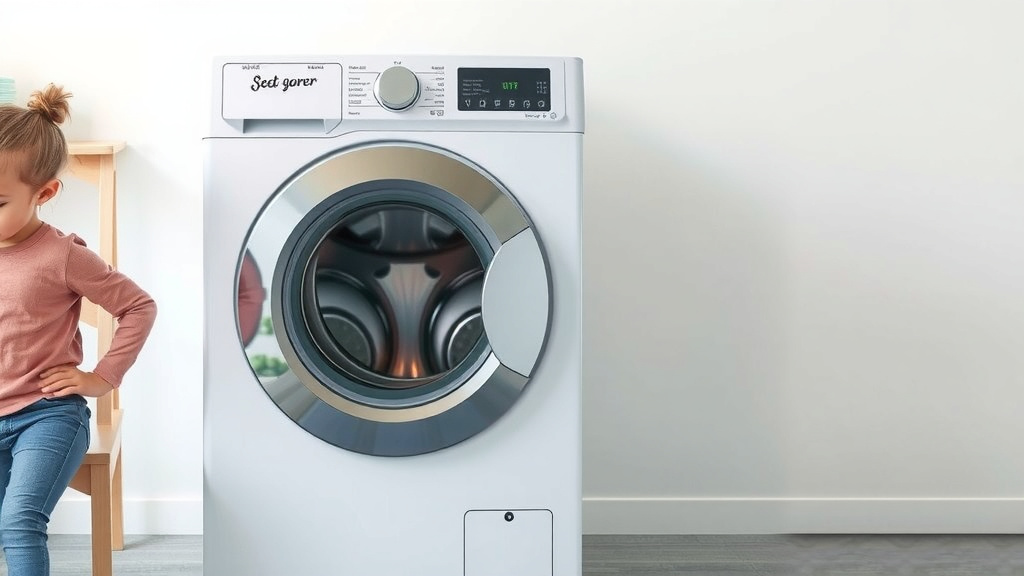
Before Buying a Washing Machine: Key Factors to Consider
Before buying a washing machine, you should know about capacity, energy efficiency, and wash cycles. Your choice impacts your laundry routine and utility bills. Considering these factors helps you find a machine that fits your home and needs perfectly. A great washing machine makes laundry day much simpler.
We found that understanding different machine types, like top-loaders versus front-loaders, is also key. Think about the space you have available and how much laundry you typically do. Many experts recommend prioritizing a model that suits your lifestyle and budget for long-term satisfaction.
- Capacity: Match it to your household size.
- Efficiency: Look for ENERGY STAR ratings.
- Wash Cycles: Consider specialized settings you might need.
- Type: Top-load or front-load?
- Budget: Factor in long-term running costs.
Let’s walk through exactly what you need to consider to make the best choice for your laundry room.
You’re on the hunt for a new washing machine, and that’s exciting! Think of it as upgrading your laundry day superhero. But before you dive headfirst into the shiny world of spin cycles and steam functions, there are a few key things to consider. Getting these right means a happier laundry room and less stress for you. We’ve gathered some essential points to help you choose wisely.
Key Factors When Choosing a New Washer
Before you even look at models, let’s make sure you have a clear picture of what matters most. Your new washing machine should work for your life, not the other way around.
Understanding Washer Types: Top-Load vs. Front-Load
This is one of the first big decisions you’ll make. Both have their perks, and the best choice really depends on what you prioritize.
Top-Load Washers: The Classic Choice
These are the ones with the lid on top. They’re often more affordable upfront and tend to have simpler controls. Many people find them easier to load because you don’t have to bend over as much. You can also add forgotten items mid-cycle quite easily.
Front-Load Washers: The Modern Efficiency
These have the door on the front. They’re known for being gentler on clothes and use less water and energy. They also tend to have higher spin speeds, meaning your clothes come out drier and need less time in the dryer. However, they usually cost more initially and require you to bend down to load them.
Capacity: How Much Laundry Do You Actually Do?
This is about matching the machine’s size to your household’s needs. Overestimating means you might be running smaller loads, which isn’t very efficient. Underestimating means you’ll be doing more loads, which eats up time and energy.
Small Households (1-2 people)
A compact or medium-sized washer should be plenty. Think around 2.0 to 3.5 cubic feet of capacity. This keeps energy and water use lower.
Medium Households (3-4 people)
You’ll likely need a larger capacity machine. Aim for something in the 3.5 to 4.5 cubic feet range. This allows you to wash family-sized loads more comfortably.
Large Households or Big Families
Consider a high-capacity model. With 4.5 cubic feet or more, you can tackle bulky items like comforters and wash larger loads less often. This can be a real time-saver.
Energy and Water Efficiency: Good for Your Wallet and the Planet
Running a washing machine uses electricity and water, and these costs add up. Choosing an efficient model is a smart long-term investment.
Look for the ENERGY STAR® Label
Many experts point to the ENERGY STAR label as a reliable indicator. Appliances with this certification meet strict energy efficiency guidelines set by the U.S. Environmental Protection Agency. This means they use less energy and water than standard models.
We found that ENERGY STAR certified washers can save you a noticeable amount on utility bills over the appliance’s lifespan. They also help reduce your environmental footprint.
Water Usage Matters Too
Beyond the ENERGY STAR rating, check the machine’s specific water usage if possible. Some top-load models, especially older designs, can be quite thirsty. High-efficiency (HE) models, found in both top-load and front-load types, generally use less water.
Wash Cycles and Features: What Do You Really Need?
Washers come with a dizzying array of cycles and features. It’s easy to get caught up in the bells and whistles, but think about what you’ll actually use.
Everyday Cycles You’ll Use
Most machines will have standard cycles like Normal, Delicates, and Heavy Duty. Make sure these cover your basic laundry needs.
Specialized Cycles to Consider
Do you have specific laundry challenges? Look for features like:
- Sanitize Cycle: Great for killing germs, especially for baby clothes or bedding.
- Allergen Cycle: Designed to remove common allergens.
- Quick Wash: For lightly soiled items you need in a hurry.
- Steam Function: Can help reduce wrinkles and refresh clothes.
- Bulky Items Cycle: Perfect for duvets, sleeping bags, and large blankets.
Smart Features and Connectivity
Some modern washers can connect to Wi-Fi. You might be able to start a load remotely or get notifications when a cycle is done via your smartphone. While these can be convenient, they also add to the cost and aren’t essential for everyone.
Space and Installation: Measuring Twice, Buying Once
This might seem obvious, but it’s a common pitfall. Your beautiful new washer needs to fit!
Measure Your Laundry Area
Don’t just guess! Measure the width, depth, and height of the space where the washer will go. Remember to account for the space needed for doors to open (both the washer door and any nearby cabinets or doors) and hoses at the back. Many experts recommend leaving at least 4-6 inches of clearance behind the machine for proper ventilation and hose connection.
Consider Door Swing (for Front-Loaders)
If you’re looking at a front-loader, think about which way the door opens. Can it open fully without hitting a wall or vanity? Some models offer reversible doors, which can be a lifesaver.
Your Budget: Upfront Cost vs. Long-Term Savings
Washing machines range widely in price. It’s wise to consider both the initial purchase price and the ongoing costs of operation.
The Initial Investment
Basic top-load machines can start around a few hundred dollars. High-end front-load models with all the bells and whistles can easily run upwards of $1,500 or more. Decide what your budget comfortably allows for the upfront purchase.
Running Costs: Energy and Water
As we discussed, more efficient models might cost more initially but can save you money over time. A general guideline is that a high-efficiency front-loader will likely cost less to run each year than a less efficient top-loader. Researching annual operating costs can be very insightful.
Here’s a quick checklist to help you narrow down your options:
- Measure your laundry space carefully.
- Determine your typical laundry load size.
- Decide on top-load vs. front-load.
- Set a realistic budget, including potential energy savings.
- Identify the 2-3 essential wash cycles you need.
- Check for the ENERGY STAR® rating.
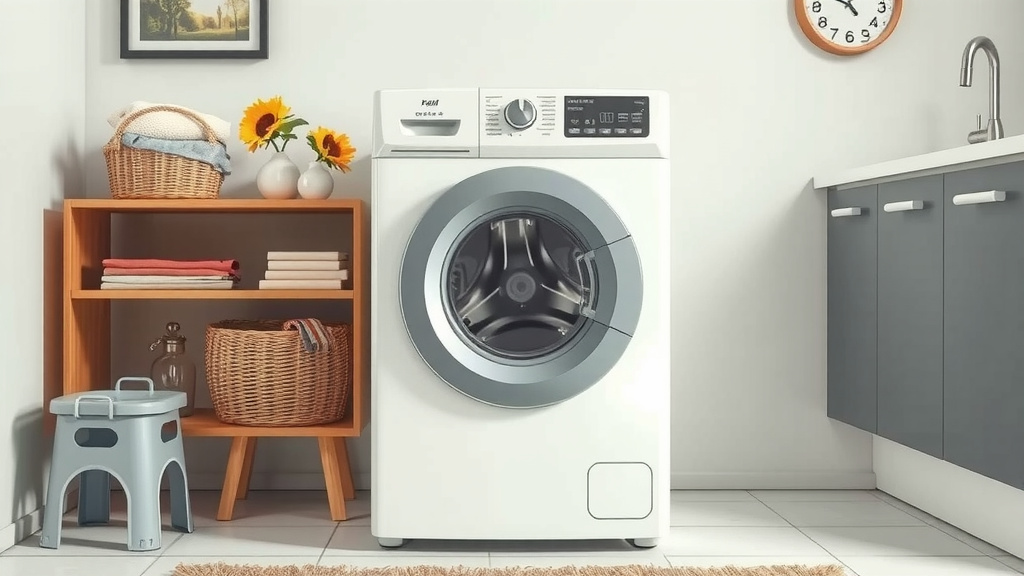
Conclusion
You’re now equipped with the knowledge to choose your next washing machine wisely. Remember to balance capacity, energy efficiency, and the wash cycles you actually need. Considering both upfront costs and long-term savings will serve you well. Don’t forget to measure your space carefully before you buy!
Your goal is a reliable machine that simplifies laundry day. Take your time, review your options, and make an informed decision that fits your unique household. Your next step is to start comparing specific models based on these key factors.
Frequently Asked Questions
How do I know if a washing machine is truly energy efficient?
Look for the ENERGY STAR® certification. This label indicates that a washing machine meets strict energy efficiency guidelines set by the EPA. These certified models use less electricity and water compared to standard ones, saving you money on utility bills over time.
Is a front-load washer always better than a top-load washer?
Not necessarily. Front-load washers are generally more water and energy efficient and gentler on clothes. However, they often have a higher upfront cost and require bending to load. Top-loaders are typically more affordable, easier to load for some, and allow adding clothes mid-cycle, making them a great choice depending on your priorities.
What is the average capacity I should look for?
The best capacity depends on your household size. For 1-2 people, 2.0 to 3.5 cubic feet is usually sufficient. Families of 3-4 might prefer 3.5 to 4.5 cubic feet, while larger households or those washing bulky items like comforters should consider 4.5 cubic feet or more.
Are “smart” features on washing machines worth the extra cost?
Smart features like Wi-Fi connectivity and app control can be convenient for remote operation and notifications. However, they do increase the purchase price. Whether they are worth it depends on your personal preference for technology and convenience versus budget constraints.
How much space do I really need around a washing machine?
You need adequate space for proper ventilation and hose connections. Experts suggest leaving at least 4-6 inches of clearance behind the machine. Also, ensure there’s enough room for the door to open fully without obstruction, especially for front-load models.