Choosing the Right Washer and Dryer Size for Your Home
Choosing the right washer and dryer size depends on your laundry needs and home space. For most households, a standard-capacity set works well. If you have a larger family or wash bulky items frequently, consider a high-capacity machine. Don’t forget to measure your laundry room to ensure a perfect fit for your new appliances.
Understanding appliance dimensions is key to a happy laundry day. We’ve researched common sizes and found that compact units are great for small apartments. Standard machines offer a good balance for average families. Larger, heavy-duty models are best for tackling big loads with ease. Always check the manufacturer’s specifications for exact measurements.
- Standard capacity is good for most families.
- High-capacity is best for large families or bulky items.
- Compact units fit small spaces like apartments.
- Measure your space before buying!
Let’s walk through how to select the perfect washer and dryer size for your home and lifestyle.
Now that you’ve got the gist of the basics, let’s dive deeper into selecting the right washer and dryer dimensions. It’s not just about fitting them in; it’s about making laundry day work *for* you, not against you.
Understanding Washer and Dryer Dimensions for Your Home
Finding the correct washer and dryer size is essential for a smooth laundry routine. We’ve found that appliance dimensions vary quite a bit, so knowing what to look for makes all the difference. Let’s break down the typical sizes you’ll encounter.
Standard Sized Washers and Dryers
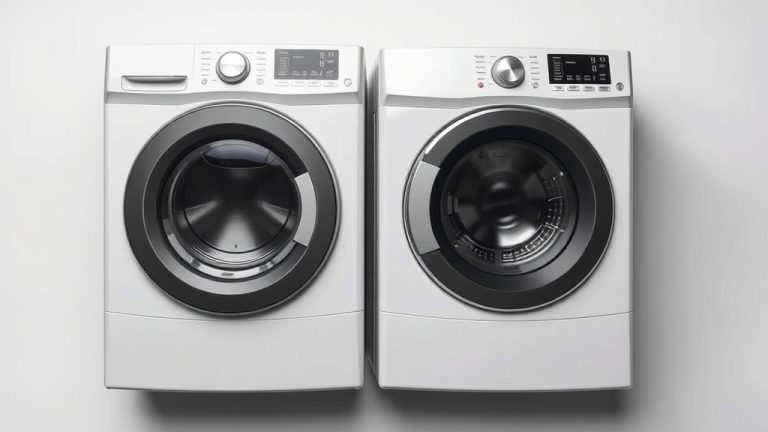
For many households, a standard set is the way to go. These are the workhorses you see in most homes. They offer a good balance between capacity and physical size. A standard washer typically measures around 27 inches wide. They can hold about 8 to 12 pounds of laundry. That’s roughly 3 to 4 loads per week for an average family.
Washer Widths and Depths
The width is often the most critical measurement for fitting your machine. Standard washers usually fall between 25 and 30 inches wide. The depth can range from 28 to 34 inches. Don’t forget to account for the door swing when measuring! Front-load washers often have a deeper profile than top-load models.
Dryer Dimensions and Capacity
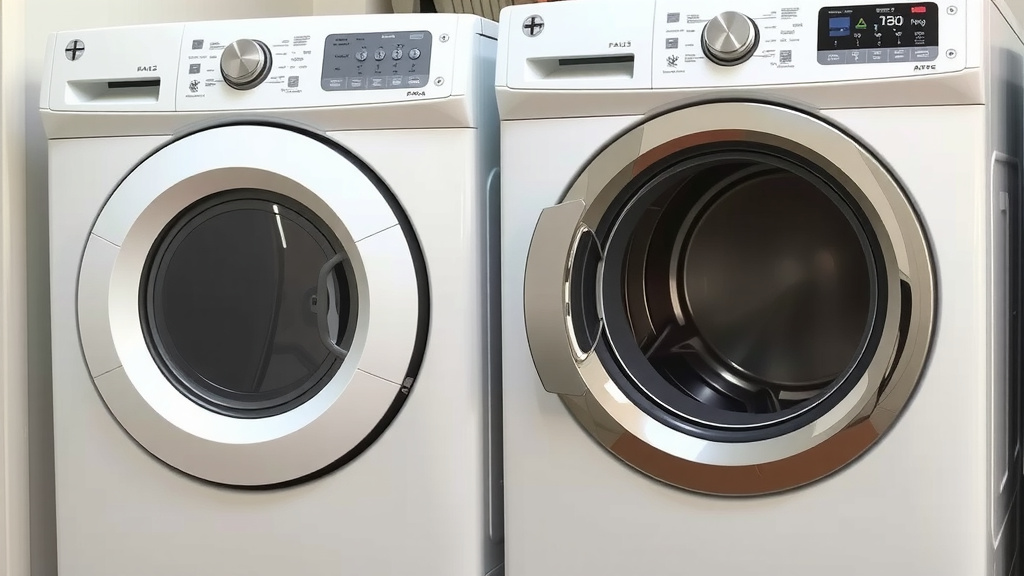
Dryers generally match the width of their washer counterparts. You’ll find standard dryers are also around 27 inches wide. Their depths are usually similar, around 28 to 34 inches. The drum capacity is measured in cubic feet. Standard dryers can hold between 5.0 to 7.5 cubic feet of laundry. This is usually enough for the loads a standard washer produces.
High-Capacity Washers and Dryers
If you have a larger family or frequently wash bulky items, consider a high-capacity set. These machines can handle more laundry at once, meaning fewer loads overall. That sounds like a win, right?
Benefits of Larger Capacity
High-capacity washers can handle 12 pounds or more of laundry. This is great for bedding, large towels, or multiple outfits. Many families find this size a huge time-saver. You’ll be doing fewer loads each week. Think about washing that king-size comforter without a struggle.
Physical Size of High-Capacity Units
These larger units will take up more floor space. Widths can range from 28 to 33 inches. The depth often increases too, sometimes reaching 35 inches or more. Always double-check the exact dimensions. Some models might have slightly different sizes even within the same “high-capacity” category.
Compact and Apartment-Sized Appliances
Living in a smaller space doesn’t mean you have to haul your laundry to a laundromat. Compact washers and dryers are designed specifically for apartments or homes with limited laundry areas. They are a fantastic solution for tight spots.
What is a Compact Unit?
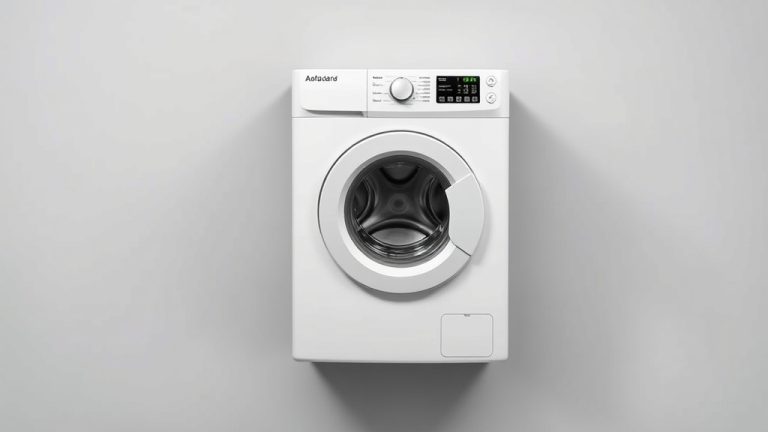
Compact washers are typically around 24 inches wide. Their depth is also shallower, often around 24 to 28 inches. They might have a smaller capacity, holding 4 to 6 pounds of laundry. Dryers designed to match will also be around 24 inches wide. These are perfect for singles, couples, or very small families.
Ventless Dryer Options
Many compact dryers are ventless. This means you don’t need an external vent hookup. They often use a condenser or heat pump system. This is a major advantage if your living space doesn’t allow for traditional venting. Just remember, ventless models can sometimes take a bit longer to dry clothes compared to vented ones.
Measuring Your Space: The Most Important Step
Before you even start browsing, grab a tape measure. Seriously, this is where many people run into trouble. You need to know the exact dimensions of the area where your washer and dryer will go.
Key Measurements to Take
You’ll need to measure the width, depth, and height of your laundry space. Don’t just measure the opening; measure the whole alcove or closet. Remember to account for things like:
- Plumbing and electrical hookups.
- Door swings (both the laundry room door and the appliance doors).
- Space for ventilation if needed.
- Clearance for maintenance or future repairs.
Allowing for Clearance and Access
Manufacturers often recommend leaving a few inches of space around your appliances. This allows for proper airflow, which is essential for efficient operation and preventing overheating. Many guidelines suggest about 1 inch of clearance on the sides and back, and 4 inches on top for front-load models (many Cleveland Clinic guides highlight ventilation needs for appliances).
Think about how you’ll get the appliances into the room. Is there a tight corner or a narrow doorway? Measure that path too. You don’t want to buy a perfect set only to find you can’t get them through the hall. Planning ahead saves a lot of headache.
Comparing Washer and Dryer Capacities and Your Needs
Your laundry habits should guide your choice of capacity. Are you a one-person household or a bustling family of five?
| Household Size | Typical Laundry Load | Recommended Washer Capacity (lbs) | Recommended Dryer Capacity (cu ft) |
|---|---|---|---|
| 1-2 People | 2-3 loads/week | 2.0 – 3.5 cu ft (approx. 6-8 lbs) | 4.0 – 5.5 cu ft |
| 3-4 People | 3-5 loads/week | 3.0 – 4.0 cu ft (approx. 10-12 lbs) | 5.0 – 7.0 cu ft |
| 5+ People / Bulky Items | 5+ loads/week | 3.5+ cu ft (approx. 12+ lbs) | 7.0+ cu ft |
Many sources, including appliance review sites we consulted, suggest that a family of four might need around 3.5 to 4.0 cubic feet of washer capacity. For dryers, the cubic feet number is more about how much *volume* your clothes take up when tumbling.
Consider the types of items you wash most often. Do you have a lot of large blankets, sleeping bags, or sports equipment? If so, a larger capacity machine is a wise investment. It will make washing these items much easier and more effective.
Finally, think about drying times. Larger loads in smaller dryers might mean clothes don’t dry as evenly or efficiently. This could lead to longer drying cycles and increased energy use. We found that matching your dryer capacity to your washer capacity is generally a good practice.
Checklist for Choosing Your Washer and Dryer Size
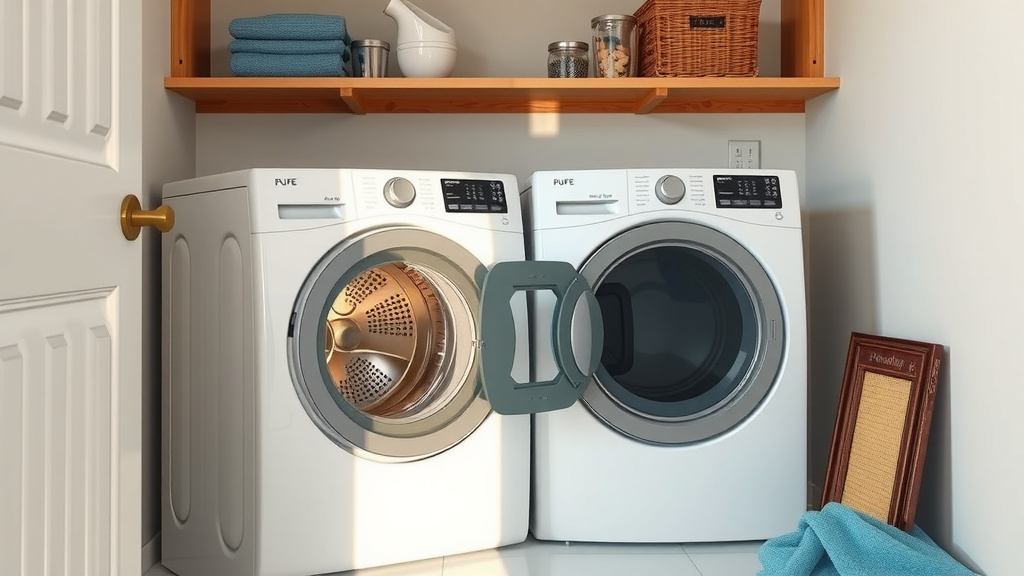
Ready to make a decision? Run through this quick checklist:
- Measure your space: Width, depth, height, and access path.
- Consider your household size: How many people will you be washing for?
- Analyze your laundry habits: Do you wash big items often?
- Account for door swings: Ensure clearance for opening doors.
- Check manufacturer specs: Always verify exact dimensions and clearances.
- Think about venting: Do you need a ventless option?
Conclusion
You’re now well-equipped to choose the perfect washer and dryer size. Remember, it’s about matching your home’s space and your family’s laundry habits. We’ve seen how standard, high-capacity, and compact units each serve different needs. Measuring your laundry area carefully is your most important step. Always double-check manufacturer specifications before buying. Take these steps, and you’ll enjoy a smoother, more efficient laundry routine for years to come!
Frequently Asked Questions
How much space do I really need for a washer and dryer?
You’ll need to measure the width, depth, and height of your laundry space, plus any doorways or hallways for delivery. Manufacturers often suggest 1 inch of clearance on the sides and back, and up to 4 inches on top for front-load models to ensure proper airflow and access.
Can I fit a standard-sized washer and dryer in a small apartment?
Not usually. For small apartments, you’ll want to look for compact or apartment-sized units. These are typically around 24 inches wide and have a shallower depth, designed specifically for tight living spaces.
What’s the difference between washer capacity and dryer capacity?
Washer capacity is measured in pounds or cubic feet of *laundry* it can hold. Dryer capacity is measured in cubic feet and refers to the drum’s *volume*, indicating how much space clothes have to tumble freely for efficient drying.
Do I need to worry about the dryer’s venting requirements?
Yes, you do. Traditional vented dryers need an external vent hookup. If your space doesn’t allow for this, consider a ventless dryer, which often uses a condenser or heat pump system, though they may take longer to dry.
Is a high-capacity washer and dryer worth it if I don’t have a large family?
A high-capacity set can still be beneficial. If you frequently wash bulky items like bedding or large towels, these machines make those tasks much easier and can reduce the number of loads you do overall, saving you time.