How to Safely Lift a Stacked Washer Dryer
Lifting a stacked washer and dryer is a team effort, plain and simple. You’ll want at least two strong people, preferably three, to handle this task safely. The key is to ensure everyone has a secure grip and communicates clearly throughout the lift to avoid injuries and damage.
Moving these heavy appliances requires careful planning and execution. Before you even think about lifting, make sure you’ve disconnected all hoses and cords. Consider using appliance dollies or moving straps for added stability and control. Remember, safety is your number one priority here.
TL;DR:
- Get at least 2-3 helpers.
- Have a solid grip.
- Communicate constantly.
- Disconnect everything first.
- Use moving aids like dollies or straps.
Below, we’ll walk you through the essential steps and safety precautions for successfully lifting your stacked washer and dryer.
Moving Your Stacked Washer and Dryer Safely
Ready to tackle moving your stacked washer and dryer? It’s a job that demands careful planning and a bit of muscle. We’ll guide you through the steps to ensure you and your appliances arrive at their new spot without a hitch.
Step 1: Assess Your Route and Space
Before you even touch a hose, take a good look at where you’re going. Is the path clear from start to finish? You need to consider doorways, hallways, stairs, and tight corners. Measure everything!
Sometimes, the tightest squeeze is the doorway leading into the laundry room itself. If your stacked unit barely fit on the way in, it might be just as challenging getting it out. Measure the appliance’s dimensions and compare them to the width of your doorways and hallways.
Clearing Obstacles
Walk the entire path you plan to move the units. Remove any rugs, furniture, or other items that could trip someone or block the way. A clear path is a safer path. Don’t forget to check for any low-hanging light fixtures or door frames you might forget about.
Stair Navigation
If stairs are involved, this is where you need to be extra cautious. Stairs add a whole new level of difficulty and risk. You’ll definitely want more helpers for this part. Communicate every step on the stairs.
Step 2: Prepare the Appliances for the Move
Getting the washer and dryer ready is critical for a smooth move. This involves more than just unplugging. You need to make sure everything inside is secure and that no water is left behind.
Emptying and Securing the Drums
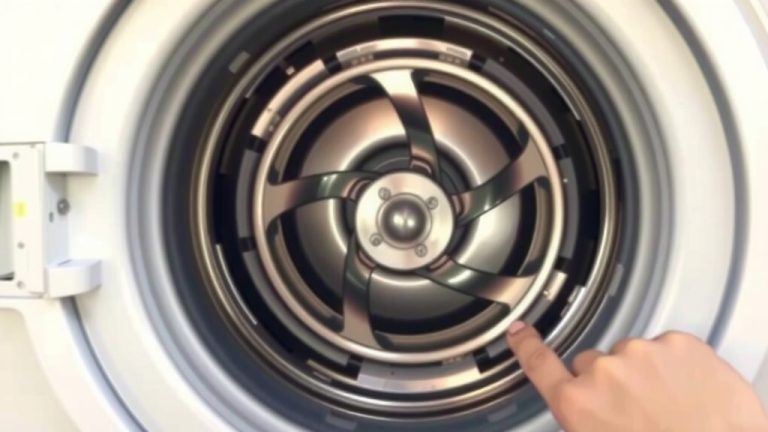
Open both the washer and dryer doors. Remove any stray socks or forgotten items. Then, make sure the drums are empty. If there’s any chance something could shift, secure the drums. You can use bungee cords or sturdy tape for this. This prevents the drums from banging around during the move.
Disconnecting Hoses and Cords
This is a non-negotiable step. You’ve likely seen this in the intro, but it bears repeating. First, unplug the power cords from the wall. Next, disconnect the water supply hoses from the back of the washer. You might need pliers or a wrench for this. Be prepared for a little residual water to spill out. Have towels or a bucket ready to catch it. Also, disconnect the dryer vent hose. This is usually a flexible hose attached with a clamp.
Many guidelines suggest having a towels handy for water spillage (Mayo Clinic). Keeping a small bucket or basin nearby can also be a lifesaver. Don’t forget to secure these hoses and cords to the back of the appliance with tape once disconnected. This stops them from dragging and getting in the way.
Step 3: Gather Your Moving Equipment and Helpers
Having the right tools and enough hands makes a world of difference. Don’t try to be a hero and do this alone. It’s a recipe for disaster.
Enlist Enough Help
As mentioned, you’ll need at least two strong individuals. Three is even better, especially if stairs are involved. More people mean you can distribute the weight more evenly and have extra eyes watching for hazards. Brief everyone on the plan before you start lifting. Clear communication is key.
Utilize Moving Aids
Appliance dollies are your best friend here. These are heavy-duty dollies designed to handle bulky items. They have straps to secure the appliance and straps to help you move it. Moving straps, also known as lifting straps or shoulder dollies, can also be incredibly helpful. They use leverage to make lifting feel lighter.
We found that using a combination of a dolly and moving straps provided the most stability and control (Appliance Moving Experts). If you don’t have straps, a sturdy dolly is a must. Make sure the dolly has straps to secure the washer and dryer unit firmly.
Step 4: The Lifting and Moving Process
Now for the main event! Approach this with a calm and methodical mindset. Rushing can lead to accidents.
Positioning the Dolly or Straps
If using a dolly, carefully tilt the stacked unit back slightly. Slide the lip of the dolly underneath the base of the unit. Secure the appliance to the dolly with the provided straps. Ensure it’s snug and won’t shift. If using moving straps, have your helpers position them correctly under the appliance, following the manufacturer’s instructions.
The goal is to have the weight balanced and secure. You want to avoid any sudden jerks or movements. Many moving guides suggest a firm grip at all times (Professional Movers Association).
Coordinated Lifting and Maneuvering
On the count of three, lift together. Use your legs, not your back. Keep the load as close to your body as possible. Move slowly and deliberately. One person should ideally guide the dolly or straps while the others provide support and watch for obstacles. Constant verbal cues are essential: “Turning left,” “Watch the doorframe,” “Slow down.”
If you encounter a tight spot, stop. Reassess the situation. Can you reposition? Do you need to adjust your grip? It’s always better to take an extra moment than to damage your appliance or injure yourself.
Step 5: Safely Setting Down the Appliances
Getting them to the destination is only half the battle. Setting them down requires the same level of care.
When you reach the new location, carefully maneuver the stacked unit into its final position. Once it’s where you want it, reverse the lifting process. Slowly lower the unit, ensuring it’s stable. Remove any securing straps or dollies once the appliance is fully resting on the floor.
It’s always a good idea to double-check that the units are level and stable before reconnecting hoses and cords. A wobbly appliance is no fun and can lead to problems down the line.
Checklist for a Smooth Move:
- Clear your path from start to finish.
- Empty and secure washer/dryer drums.
- Disconnect all hoses and cords.
- Gather your helpers (at least 2-3).
- Have moving aids like a dolly or straps ready.
- Communicate constantly during the move.
Conclusion
You’ve got this! Moving a stacked washer and dryer might seem daunting, but with the right preparation and a solid team, it’s totally manageable. Remember to plan your route, empty and secure the appliances, and always prioritize clear communication with your helpers. Using moving aids like dollies or straps will make a huge difference in safety and ease. Once you’ve safely set them down, give them a quick check to ensure they’re level and stable. Now, you’re ready to reconnect everything and get back to laundry day!
Frequently Asked Questions
Can one person lift a stacked washer and dryer?
No, absolutely not. Stacked washer and dryer units are extremely heavy and bulky. Attempting to lift them alone significantly increases the risk of serious injury and damage to your home or the appliances themselves. You will always need at least two, and preferably three, strong individuals to move them safely.
What is the best type of moving aid to use for stacked washer dryers?
For stacked washer and dryers, an appliance dolly is highly recommended. These are designed for heavy, bulky items and often come with straps to secure the unit. If you can find them, moving straps (like shoulder dollies) are also excellent, as they use your body’s strength to make lifting feel easier. Using both together offers the best stability.
How do I prevent water from spilling when disconnecting the washer?
When disconnecting the water hoses from your washer, have towels and a bucket or basin ready. There will likely be some residual water left in the hoses and the machine. Place the towels on the floor beneath the connections and hold the bucket to catch any drips. Don’t forget to gently unscrew the hoses to control the flow.
What if my stacked washer dryer doesn’t fit through a doorway?
If you find your stacked unit won’t fit through a doorway, take a moment to reassess. You might need to remove the doors from the appliance itself, or even the doorframe from your house if it’s a very tight squeeze and you have permission. Sometimes tilting the appliance at a different angle can help navigate tight spots.
How do I reconnect the hoses and cords after moving?
Once the stacked washer and dryer are in their new spot, reconnect the dryer vent hose securely. Then, reattach the water supply hoses to the back of the washer, ensuring a tight fit to prevent leaks. Finally, plug the power cords back into the electrical outlets. It’s wise to run a short test cycle on both units to confirm everything is working correctly.