Choosing the Right Washing Machine: Your Guide
Buying a new washing machine involves considering several key factors to ensure you get the best fit for your needs and budget. You’ll want to think about capacity, type of machine (top-load vs. front-load), and energy efficiency. Understanding these basics will help you avoid buyer’s remorse and land a machine that makes laundry day less of a chore.
Beyond the basics, think about special features that might simplify your life, like steam cycles or smart capabilities. Also, consider the size and space where the machine will live, and of course, your budget. We’ve researched the market and found that balancing these elements leads to a more satisfying purchase.
- Machine capacity matters for your load size.
- Top-load and front-load washers have different pros.
- Energy efficiency saves you money long-term.
- Special features can add convenience.
- Space and budget are practical limits.
Let’s walk through exactly what to look for when buying your next washing machine, so you can make an informed decision.
Choosing the Right Washing Machine: Key Considerations
Selecting a new washing machine can feel overwhelming with all the options out there. You want a machine that tackles your laundry needs efficiently without breaking the bank. We’ve researched what homeowners consider most important. Let’s break down the essential factors to help you make the smartest choice for your home.
Capacity: How Much Laundry Do You Actually Do?
First, think about the size of your household. Are you washing for one, a couple, a large family, or maybe even a frequent guest list? The capacity of your washing machine is measured in cubic feet. This tells you how much laundry it can hold. A larger capacity means fewer loads, which can save you time and energy.
Small Households (1-2 People)
For individuals or couples, a smaller to mid-size washer, typically 2.0 to 3.5 cubic feet, might be perfectly adequate. You’ll likely do one or two loads a week. These models are often more affordable and can fit into smaller laundry spaces.
Medium Households (3-4 People)
If you have a few kids or multiple adults sharing a home, a medium capacity washer, around 3.5 to 4.5 cubic feet, is a good bet. This size can handle bedding and a week’s worth of clothes for four people. You’ll find a good balance between capacity and efficiency here.
Large Households (5+ People)
For larger families or if you frequently wash bulky items like comforters or large dog beds, you’ll want to look at high-capacity machines. These range from 4.5 cubic feet and up. They let you tackle bigger loads, reducing the number of wash cycles you need to run each week.
Machine Type: Top-Load vs. Front-Load Washers
The biggest decision you’ll make is choosing between a top-load and a front-load washing machine. Each has its own set of pros and cons that affect how you use it and how well it cleans your clothes.
Top-Load Washers
Top-load washers are the classic choice for many. They are generally easier to load and unload because you don’t have to bend over as much. They also tend to be less expensive upfront. Within top-loaders, you have two main types: agitator and impeller.
Agitator Models
These have a central post that twists and turns, moving clothes through the water. They are known for being tough on stains and are often quicker to fill and drain. However, they can be harsher on fabrics and use more water.
Impeller Models (High-Efficiency)
These use a low-profile cone or disc at the bottom to move clothes. They offer more wash space and are gentler on clothes than agitator models. They also tend to use less water and energy, aligning with eco-friendly washing.
Front-Load Washers
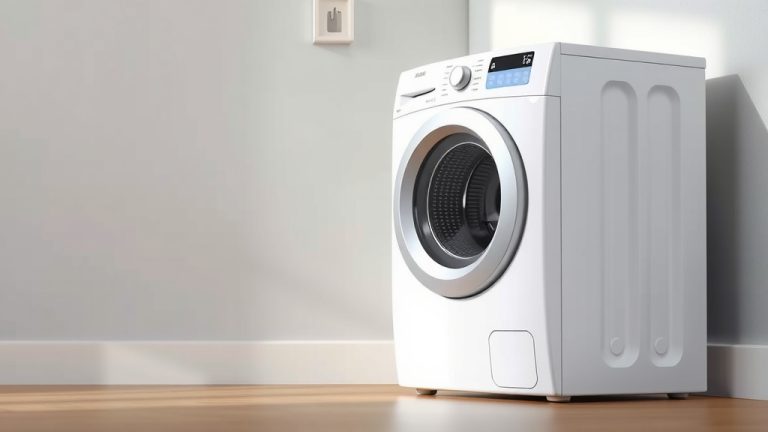
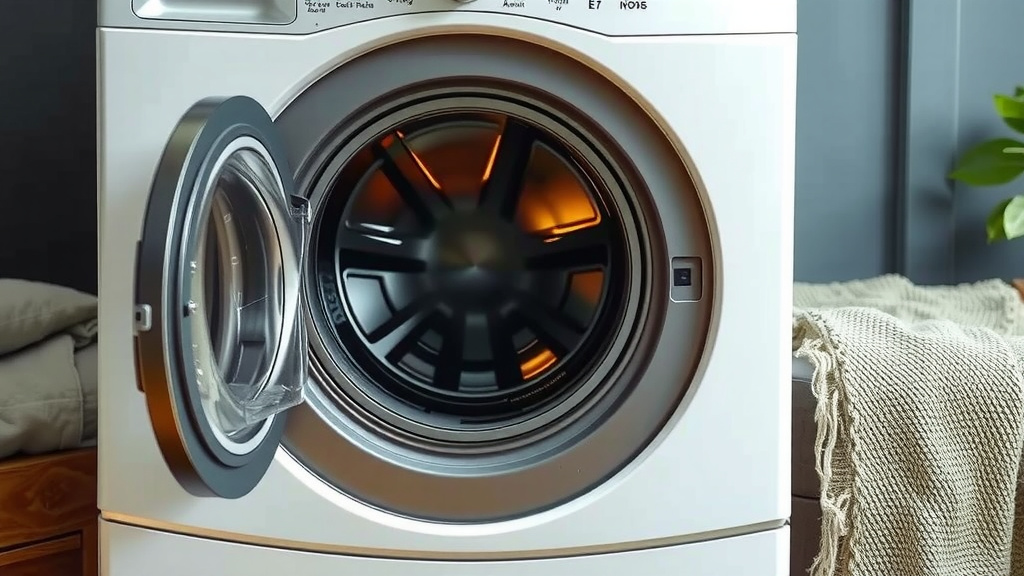
Front-load washers are known for their superior cleaning performance and water efficiency. They use a tumbling action to clean clothes, which is gentler on fabrics. They also typically use less water and energy, meaning lower utility bills over time.
While they often have a higher initial cost and require you to bend down to load, many people find the benefits worth it. They also tend to have higher spin speeds, which extract more water, leading to shorter drying times. You’ll also find that front-loaders often have more advanced features and cycles.
Energy and Water Efficiency: Saving Money and the Planet
When you’re looking at washing machines, you’ll notice yellow EnergyGuide labels. These labels are federally mandated and show estimated yearly operating costs and energy consumption. Choosing an energy-efficient model can significantly reduce your utility bills over the life of the appliance.
Look for models with the ENERGY STAR certification. These appliances meet strict energy efficiency guidelines set by the U.S. Environmental Protection Agency. They use less energy and water than standard models, saving you money and reducing your environmental footprint. Many experts suggest that the long-term savings from an ENERGY STAR washer outweigh the initial purchase price.
Special Features to Consider
Beyond the basic wash and spin cycles, washing machines come with a variety of features designed to make laundry day easier. Think about which of these might actually benefit you.
Steam Cycles
Steam functions can help sanitize clothes, remove allergens, and reduce wrinkles. This is a great feature for people with allergies or those who want to refresh clothes without a full wash. Many research studies have shown steam to be effective in reducing allergens like dust mites and pet dander.
Smart Technology
Some newer machines offer Wi-Fi connectivity. You can often download a smartphone app to monitor cycles, get cycle completion notifications, and even download new wash programs. This can add a layer of convenience if you tend to forget laundry is in the machine.
Sanitize or Allergen Cycles
These cycles use higher temperatures or specific steam technology to kill bacteria and remove allergens. This is particularly beneficial for families with young children or individuals with sensitivities. The Cleveland Clinic notes that high-temperature washes are effective in killing common household bacteria.
Quick Wash Cycles
For lightly soiled items or when you’re in a hurry, a quick wash cycle can be a lifesaver. These cycles get clothes clean in a shorter amount of time, typically 15-30 minutes. They are perfect for refreshing clothes you’ve only worn once.
Size and Space Constraints
Before you fall in love with a particular model, measure your laundry space! You need to account for the width, depth, and height of the machine. Don’t forget to allow clearance for doors to open fully, hoses to connect, and ventilation.
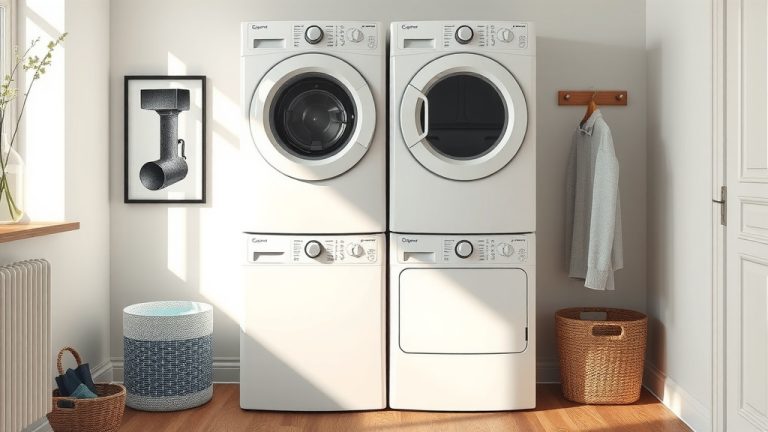
Consider stacking kits if you’re working with a very tight space and are opting for a front-load washer and a compatible dryer. This can double your laundry capacity vertically. Always double-check the dimensions against your doorway and hallway measurements for delivery.
Budget: Balancing Cost and Features
Washing machines can range from a few hundred dollars to well over $1,500. Set a budget before you start shopping. Remember that the initial purchase price is only part of the equation. Consider the long-term costs of energy and water consumption. A more expensive, energy-efficient model might save you money in the long run.
Don’t forget to factor in potential installation costs or the price of accessories like hoses or detergent. Many retailers offer package deals if you buy a washer and dryer together, which can lead to significant savings.
Quick Checklist for Your Washing Machine Purchase
- Measure your laundry space carefully.
- Determine the best capacity for your household size.
- Decide between top-load (agitator or impeller) and front-load.
- Check the EnergyGuide label for efficiency ratings.
- Prioritize any must-have special features.
- Set a realistic budget, considering long-term costs.
Conclusion
You’ve gathered the key information to make a smart washing machine purchase. Remember to balance your household’s needs with the machine’s capacity and type. Energy efficiency is a wise investment for long-term savings. Think about which special features will genuinely simplify your laundry routine, not just add cost. Always measure your space and set a realistic budget before you shop.
Your next step is to measure your laundry space and start comparing models based on these essential factors. Happy washing!
Frequently Asked Questions
How do I know what washing machine capacity I need?
Consider your household size. For one or two people, a smaller capacity is often enough. Larger families or those who wash bulky items like bedding frequently will benefit from a larger capacity to reduce the number of loads.
Are front-load washers really better than top-load?
Front-loaders are generally more energy and water-efficient and gentler on clothes due to their tumbling action. Top-loaders, especially agitator models, can be tougher on stains and quicker to fill. Your preference for ease of loading and initial cost will play a big role.
What does ENERGY STAR certification mean for a washing machine?
ENERGY STAR certified washing machines meet strict energy efficiency guidelines set by the EPA. This means they use less energy and water than standard models, saving you money on utility bills and reducing your environmental impact.
Are smart washing machine features worth the extra cost?
Smart features like app control and notifications can add convenience if you often forget laundry cycles or want remote monitoring. Whether they are “worth it” depends on your lifestyle and how much you value that specific type of connectivity and convenience.
How much space do I really need to leave around a washing machine?
You need enough space for the machine itself, plus clearance for doors to open fully and for hoses to connect without kinking. Always check the manufacturer’s recommendations and ensure you can maneuver the machine through doorways and hallways for delivery.