Washing Machine Buying Guide: What You Need to Know
Before buying a washing machine, you should know that the best choice for you depends on your laundry habits, available space, and budget. Consider whether you need a high-efficiency model or a standard one. Think about the load size you typically wash. These factors will help you narrow down your options effectively.
Choosing a new washer can feel overwhelming with so many styles and features. We found that understanding the basic differences between top-load versus front-load machines is key. Also, check energy efficiency ratings to save money on utility bills over time. Your decision impacts your daily routine.
- Check your available space and utility hookups.
- Decide between top-load and front-load styles.
- Look at capacity based on your household size.
- Consider special features like steam or smart technology.
- Factor in energy efficiency for long-term savings.
Let’s get your laundry room ready for a fantastic upgrade. We’ll break down the essential things to consider before you bring home that shiny new washing machine.
Making Your Washing Machine Choice: Key Considerations
Choosing a new washing machine is a big decision. You want one that fits your life and makes laundry day easier. We’ve gathered important things to think about before you buy. This will help you find the perfect fit for your home.
Space and Hookups: The Foundation of Your Decision
Before you even look at brands or features, take a tape measure to your laundry space. You might dream of a giant, top-of-the-line model, but will it actually fit? Measure the width, depth, and height. Don’t forget to account for the door swing on front-load models. You need about 6 inches of clearance behind the machine for hoses and vents. This step prevents headaches later.
Measuring Your Laundry Nook
Most standard washers are around 27 inches wide. However, compact models can be much smaller. High-efficiency machines might be a bit deeper. Always double-check the dimensions of the machine you’re considering. Match them against your measurements. This simple step saves you from a costly return or a machine that doesn’t quite fit.
Understanding Your Utility Connections
Your washing machine needs water and power. You’ll typically find hot and cold water hookups, plus a drain hose. Most machines use a standard 120-volt outlet. Some high-power models, especially electric dryers that are often paired with washers, might need a 240-volt outlet. Ensure your laundry area has the right connections. If not, you might need an electrician, which adds to the overall cost. We found that checking these hookups early is key.
Top-Load vs. Front-Load: A Matter of Style and Efficiency
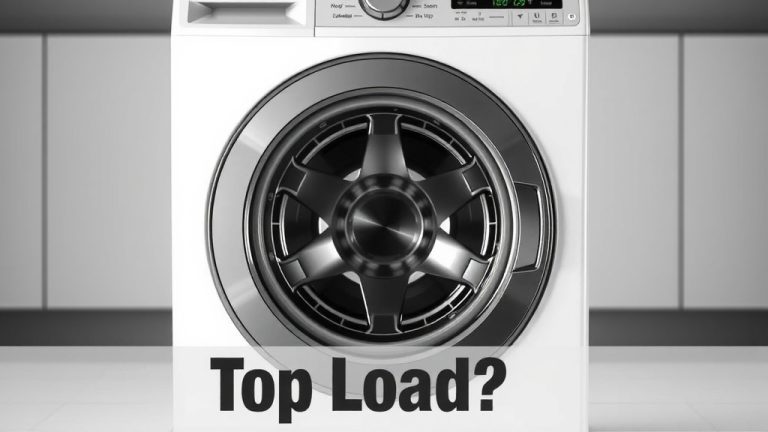
The biggest choice you’ll make is between a top-load and a front-load washing machine. Each has its own set of pros and cons. Many experts suggest that front-loaders are generally more water and energy efficient. However, top-loaders can be more budget-friendly upfront and may offer faster wash cycles.
Top-Load Washers: The Traditional Choice
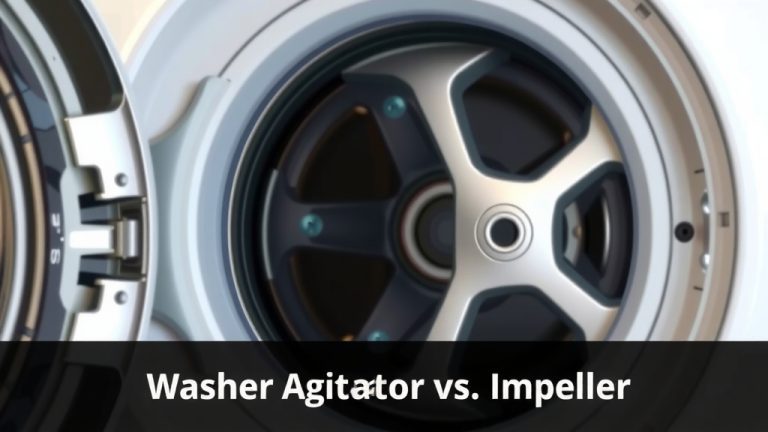
Top-load machines have the lid on top. You load your laundry from above. There are two main types: traditional agitator models and high-efficiency (HE) impeller models. Agitator models have a central post that twists clothes. They tend to be rougher on fabrics. HE impeller models use a low-profile disc. They are gentler and use less water than agitator types.
- Pros: Generally lower purchase price. Easier to add forgotten items mid-cycle. No bending over to load.
- Cons: Can use more water and energy (especially agitator models). Tend to be less gentle on clothes.
Front-Load Washers: The Modern Approach
Front-load washers have a door on the front. You load clothes through this door. They tumble clothes using gravity. This method is very effective at cleaning and is much gentler on your fabrics. They also use significantly less water and energy compared to most top-loaders. Many people find they get a better clean with front-loaders.
- Pros: Highly energy and water efficient. Gentler on clothes. Offer excellent cleaning performance. Often have higher spin speeds, leading to less drying time.
- Cons: Higher initial cost. Require bending to load and unload. Can develop mold or mildew if the door seal isn’t kept dry. Some cycles can be longer.
Capacity: How Much Laundry Do You Actually Do?
Think about your household size. A single person or a couple likely doesn’t need the same massive capacity as a family of five. Washing machines are measured in cubic feet. A smaller capacity might be around 2.0 to 3.5 cubic feet. A larger capacity can be 4.5 cubic feet or more. Choosing the right size is important. An oversized machine can waste water and energy on small loads. An undersized one might require you to do more loads, increasing your utility bills and time spent on laundry.
Matching Capacity to Your Needs
Here’s a general guideline we found helpful:
| Household Size | Recommended Capacity (Cubic Feet) | Typical Loads Per Week |
|---|---|---|
| 1-2 people | 2.0 – 3.5 | 2-4 |
| 3-4 people | 3.5 – 4.5 | 4-6 |
| 5+ people | 4.5+ | 6+ |
Remember, these are just estimates. If you often wash bulky items like comforters or sleeping bags, you’ll want a larger capacity. If you tend to do small loads frequently, a smaller, more efficient machine might be better.
Energy Efficiency: Saving Money and the Planet
Look for the ENERGY STAR label. Machines with this certification meet strict energy efficiency guidelines set by the U.S. Environmental Protection Agency. This means they use less energy and water than standard models. While ENERGY STAR machines might cost a bit more upfront, they can save you a substantial amount on utility bills over the life of the appliance. Many guidelines point to this as a smart long-term investment (EPA).
Understanding Energy Ratings
The yellow EnergyGuide label on appliances tells you how much energy a model uses. It also estimates the annual operating cost. Compare these labels when you’re looking at different models. A machine that uses less water and energy will have a lower estimated yearly cost. This is a great way to compare machines that seem similar otherwise.
Special Features: Do You Need Them?
Modern washing machines come with a dizzying array of features. Some are genuinely useful, while others might be bells and whistles you never use. Think carefully about what would actually make your laundry routine better.
Commonly Found Features to Consider
Steam cycles: These can help sanitize clothes and reduce wrinkles. They are great for allergy sufferers or those who dislike ironing. Smart technology: Wi-Fi connectivity allows you to control your washer remotely via a smartphone app. You can start cycles, get notifications when laundry is done, or even download new wash cycles. Sanitize or allergen cycles: These use high temperatures to kill bacteria and allergens. They are particularly useful for households with babies, pets, or allergy sufferers. Quick wash cycles: Perfect for when you’re in a hurry and need a small load cleaned fast. Deep fill option: For those who prefer more water in their wash, this lets you add extra water.
Your Washing Machine Checklist
Before you head to the store or start browsing online, take a moment to review this quick checklist:
- Measure your space accurately, including door swing.
- Confirm your utility hookups (water, drain, power).
- Decide between top-load and front-load based on your preferences.
- Estimate your household’s laundry needs to choose the right capacity.
- Check for the ENERGY STAR rating for long-term savings.
- Consider which special features will truly benefit your routine.
By thinking through these points, you’ll be well on your way to finding a washing machine you’ll love. Happy laundry day!
Conclusion
You’ve now got a clear roadmap for choosing your next washing machine. Remember, the best washer is one tailored to your life. We’ve covered measuring your space, understanding top-load versus front-load options, and picking the right capacity for your household. Don’t forget to consider energy efficiency for long-term savings and which special features truly fit your laundry habits. Take your time with these steps. Your research will lead you to a machine that makes laundry day much easier.
Frequently Asked Questions
How much more do front-load washers typically cost than top-load ones?
Front-load washers generally have a higher initial purchase price. We found this can range from a few hundred dollars more to over a thousand, depending on the brand and features. The higher cost often reflects their advanced cleaning technology and water/energy efficiency.
Can I install a washing machine myself, or should I hire a professional?
For most standard installations, especially replacing an old machine, you can often do it yourself if you’re comfortable with basic plumbing and electrical work. However, if you need new hookups or are unsure about anything, hiring a professional ensures it’s done safely and correctly.
Are high-efficiency (HE) washing machines worth the extra cost?
Yes, HE washing machines are typically worth the investment. While they may cost more upfront, their reduced water and energy consumption can lead to significant savings on utility bills over time. They also tend to be gentler on your clothes.
What’s the best way to clean and maintain a front-load washing machine to prevent mold?
To prevent mold and odors in front-loaders, always leave the door ajar between washes. Wipe down the rubber door seal regularly with a damp cloth. Running a cleaning cycle with vinegar or a specialized washer cleaner monthly also helps keep things fresh.
Are smart washing machines worth the extra money for remote control features?
Smart features offer convenience, allowing remote control and notifications. Whether they’re “worth it” depends on your lifestyle. If you’re often away from home or enjoy managing appliances via your phone, they can be a great addition. For others, the added cost might not justify the convenience.