Buying a Washing Machine: What You Need to Know
Buying a new washing machine involves considering capacity, efficiency, and your budget to find the best fit for your home. Top-loaders are often more affordable and simpler to use, while front-loaders typically offer better cleaning performance and water savings. Understanding these basic differences is key to making a smart purchase.
When you’re ready to upgrade your laundry setup, you’ll want to look at features like wash cycles, spin speeds, and smart technology. Many modern machines also come with energy-saving modes that can lower your utility bills over time. We found that balancing these features with your household’s needs makes a big difference.
TL;DR:
- Consider capacity based on your household size.
- Decide between top-load and front-load models.
- Look at energy efficiency ratings (like ENERGY STAR).
- Factor in specialized cycles and features you’ll actually use.
- Set a realistic budget before you shop.
Below, we break down everything you need to know when buying a washing machine, from basic types to the latest tech. Let’s get your laundry room ready for an upgrade!
Key Things to Consider When Buying a New Washing Machine
When it’s time to replace your old washer, the options can seem overwhelming. You want a machine that cleans your clothes effectively, fits your space, and doesn’t break the bank. We’ve researched the most important factors to help you make a smart choice.
Understanding Washing Machine Types: Top-Loaders vs. Front-Loaders
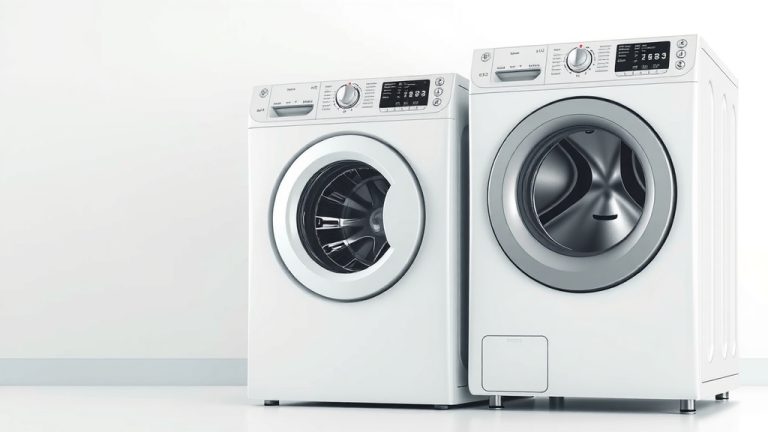
The first big decision you’ll face is choosing between a top-loading and a front-loading washing machine. Each type has its own set of pros and cons that can significantly impact your laundry routine.
Top-Load Washing Machines
Top-loaders are the classic choice for many households. They’re known for being user-friendly and typically come at a lower price point. You simply lift the lid and drop your clothes in. This design makes them easier to load, especially if you have mobility issues or don’t want to bend over too much.
Traditional Agitator Models
These are the most basic top-loaders. They use a central post (the agitator) to move clothes around in the water. They tend to be These are the most basic top-loaders.very affordable and are great at tackling heavily soiled items. However, they can be a bit rougher on fabrics and use more water than other types. We found that many people still prefer them for their simplicity and power on tough stains.
High-Efficiency (HE) Impeller Models
These newer top-loaders ditch the central agitator for a low-profile cone or disc at the bottom of the drum. This impeller spins and rubs against clothes to clean them. HE impeller models use less water and are gentler on your garments. They also tend to have larger capacities. Many experts suggest these for a good balance of cleaning power and fabric care (Consumer Reports).
Front-Load Washing Machines
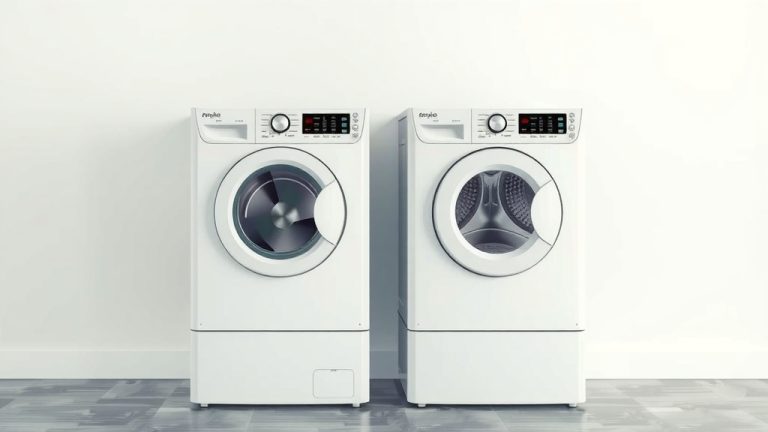
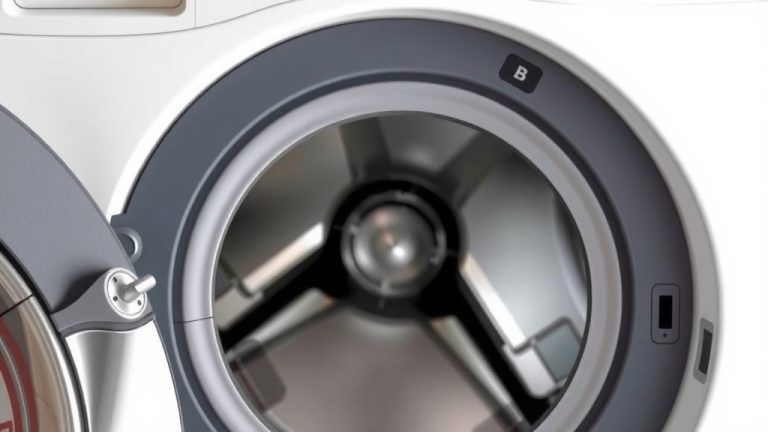
Front-loaders have become increasingly popular over the years. They use a tumbling action, where clothes are lifted and dropped back into the water, to clean. This method is incredibly effective at stain removal and is also very gentle on clothes. We found that they consistently perform well in cleaning tests.
One of the biggest advantages of front-loaders is their water and energy efficiency. They use significantly less water per load compared to most top-loaders. This can lead to lower utility bills over time. Plus, their high spin speeds extract more water from clothes, meaning shorter drying times. Many people appreciate that they often offer larger capacities for handling bulky items like comforters.
| Feature | Top-Loaders (Agitator) | Top-Loaders (Impeller) | Front-Loaders |
|---|---|---|---|
| Price | Lowest | Mid-range | Highest |
| Water Usage | Highest | Lower | Lowest |
| Gentleness on Clothes | Rougher | Gentle | Very Gentle |
| Cleaning Power | Good (Tough Stains) | Very Good | Excellent |
| Spin Speed | Medium | High | Highest |
| Ease of Loading | Easiest | Easy | Requires Bending |
Capacity: How Much Laundry Do You Actually Do?
Washing machine capacity is measured in cubic feet and refers to the drum size. Choosing the right capacity is key to efficient laundry. Think about your household size and how often you do laundry.
- Small Households (1-2 people): A capacity of 3.5 to 4.0 cubic feet is usually sufficient.
- Medium Households (3-4 people): Look for 4.0 to 5.0 cubic feet.
- Large Households (5+ people) or Frequent Laundry Doers: Consider 5.0 cubic feet or larger.
It might be tempting to go for the largest capacity available, but remember that larger machines use more water and energy. Running a half-empty large machine can be wasteful. We found that many people benefit from a mid-range capacity unless they have a specific need for a very large drum.
Energy Efficiency Matters for Your Wallet and the Planet
Look for the ENERGY STAR certification when shopping. Appliances with this label are certified by the U.S. Environmental Protection Agency to meet strict energy efficiency guidelines. This means they use less energy and water than standard models.
According to ENERGY STAR, certified washing machines can save you money on utility bills. They can use about 33% less energy and 30% less water than conventional washers. Over the lifespan of the machine, these savings can add up substantially. Many experts agree that investing a little more upfront in an energy-efficient model pays off in the long run (U.S. Department of Energy).
Essential Features and Cycles to Look For
Beyond the basic type and capacity, modern washing machines come with a plethora of features and wash cycles. Think about which ones you’ll actually use.
Key Wash Cycles
Most machines offer standard cycles like Normal, Delicates, and Heavy Duty. But consider if you’ll benefit from specialized ones:
- Sanitize Cycle: Uses hotter water to kill bacteria and allergens. This is great for households with babies, allergy sufferers, or pets (CDC recommends hot water for sanitizing).
- Steam Cycle: Helps to reduce wrinkles and refresh clothes without a full wash.
- Quick Wash: For lightly soiled items you need in a hurry.
- Bulky Items/Bedding: Designed for larger items like blankets and comforters.
Spin Speed
Spin speed is measured in revolutions per minute (RPM). A higher RPM means clothes will come out drier, reducing drying time and energy use. Look for models with at least 1000 RPM, and ideally higher, especially if you have a dryer.
Smart Features
Many new washers offer Wi-Fi connectivity. This allows you to control the machine remotely via a smartphone app, receive notifications when a cycle is done, or even download new wash cycles. While these can be convenient, they do add to the cost. We found that most people don’t *need* smart features, but they can be a nice perk if your budget allows.
What About Noise Levels?
If your laundry area is near a living space, noise levels might be a concern. Some machines are significantly quieter than others. Look for models that advertise vibration reduction technology or low decibel ratings. Front-loaders are often quieter during the wash cycle, but high spin speeds can still be noticeable.
Your Washing Machine Shopping Checklist
To help you narrow down your choices, keep these points in mind:
- Measure your space: Ensure the new washer will fit and allow for door clearance.
- Check water hookups: Make sure you have standard connections.
- Consider detergent type: HE machines require HE detergent.
- Read reviews: See what other users say about reliability and performance.
- Factor in installation and disposal: Some retailers offer these services.
Conclusion
You’ve now got the key information to find your perfect washing machine. Remember to weigh the type of washer, capacity, and energy efficiency against your budget and laundry habits. We’ve found that looking at specialized cycles you’ll actually use and checking noise levels can make a big difference in your daily life. Take your measurements, consider reviews, and you’ll be well on your way to a cleaner laundry day. Start by looking at the top-rated ENERGY STAR models in your preferred type.
Frequently Asked Questions
Do I really need a high-efficiency (HE) washing machine?
Yes, upgrading to an HE washing machine is highly recommended. These machines use less water and energy, which saves you money on utility bills over time. They are also gentler on your clothes and often offer better cleaning performance compared to older, non-HE models. You’ll also need to use HE detergent.
How do I know what washing machine capacity I need?
Consider your household size and how often you do laundry. A small household (1-2 people) might be fine with 3.5 to 4.0 cubic feet. For medium to large families, aim for 4.0 to 5.0 cubic feet or more to handle bigger loads. Overestimating can lead to wasted resources.
Are front-loaders worth the higher price?
For many, front-loaders are worth the investment due to their superior cleaning performance and efficiency. They use less water and energy, and their high spin speeds mean shorter drying times for your clothes. They are also very gentle on fabrics, extending the life of your garments.
What are the downsides of traditional agitator top-loaders?
Traditional agitator top-loaders are affordable and good for tough stains, but they use more water and can be rougher on clothes. They also generally have smaller capacities compared to newer HE impeller or front-load models. If you have delicate items or want to save water, these might not be your best choice.
Should I worry about the noise my washing machine makes?
Yes, especially if your laundry area is near living spaces. Some washing machines are designed with vibration reduction technology to operate more quietly. Front-loaders can be quieter during the wash cycle, but high spin speeds can still produce noise. Check product descriptions for decibel ratings or noise-reduction features.