Why Front Loader Washers Cost More: Explained
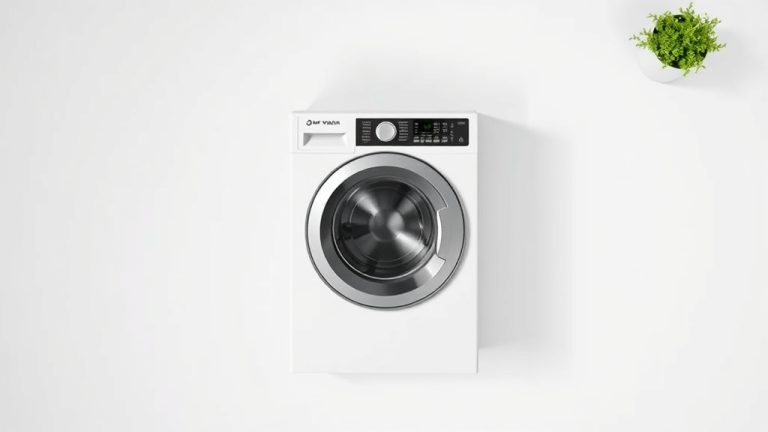
Front-loading washers cost more upfront because they use advanced technology and have more complex internal components that require higher manufacturing costs. This design allows them to offer superior cleaning performance and energy efficiency compared to traditional top-loaders. We found that the initial investment often pays off over time with lower utility bills and gentler fabric care.
Beyond the core mechanics, the premium price tag reflects their ability to conserve water and electricity, making them a long-term economical choice for many households. Many consumers appreciate their quieter operation and the added convenience of stackable designs, which are also factored into the cost. These features contribute to a more modern laundry experience.
- Front loaders use less water.
- They clean clothes more gently.
- They are more energy-efficient.
- Higher manufacturing costs mean a higher price.
Let’s dive into the specific reasons why these machines come with a higher price tag and what you get for your money.
Understanding the Higher Price Tag of Front Load Washers
You’re probably wondering why front-loading washing machines seem to cost quite a bit more than their top-loading counterparts. It’s a fair question! We’ve looked into it, and the answer boils down to a few key factors. These machines use more sophisticated engineering and materials.
The Engineering Behind the Efficiency
Front loaders spin clothes differently. They tumble them through a small amount of water. This process is far more effective at cleaning. It’s also much gentler on your fabrics. This means your clothes can last longer.
Advanced Drum Design
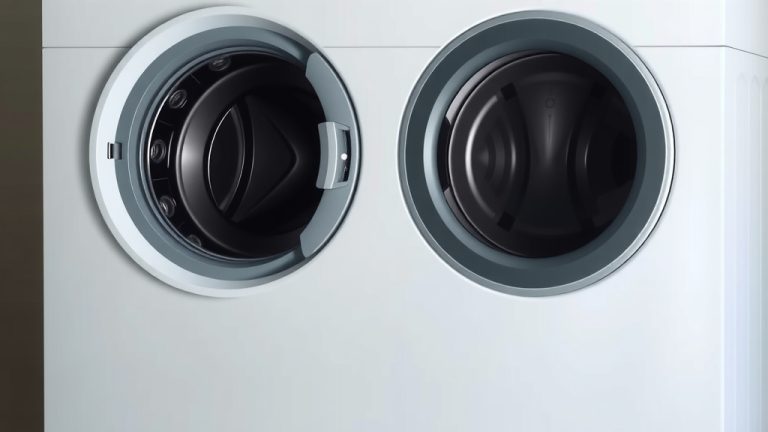
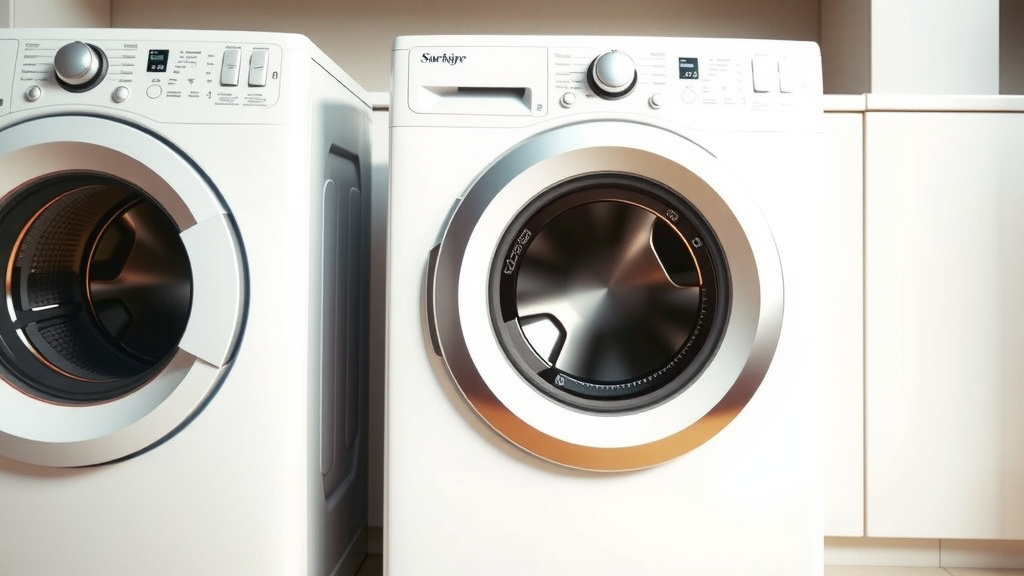
The drum in a front loader is engineered for this tumbling action. It’s often made with higher-grade stainless steel. This material is durable and resists rust. The suspension system is also more robust. It needs to handle higher spin speeds without excessive vibration. Think of it like a high-performance sports car engine – it’s built for more demanding tasks.
Water and Energy Savings Add Up
These machines use significantly less water. We found they can use up to 40% less water than traditional top-loaders. They also use less energy. This is because they heat less water for each load. Over the years, these savings can really add up on your utility bills. Many experts agree that this efficiency is a major selling point (Energy Star).
Complex Internal Components Mean Higher Manufacturing Costs
Inside a front loader, you’ll find more advanced electronics and mechanics. This contributes to their higher upfront cost. They have sophisticated sensors and control panels. These help optimize wash cycles for different fabric types. They also manage water levels and temperature precisely.
Motor Technology and Durability
Many front loaders feature direct-drive motors. These motors are more efficient and quieter than traditional belt-driven ones. They also tend to be more durable. Fewer moving parts mean less can go wrong. While this makes them reliable, the initial cost to produce these motors is higher.
The Need for a Stronger Tub and Frame
Because front loaders spin much faster, they need a stronger frame. This prevents the machine from “walking” across the floor. The internal tub must also be reinforced to withstand these forces. Building these sturdier components requires more expensive materials and more complex manufacturing processes. This all adds to the final price you see on the tag.
Premium Features and User Experience
Beyond the core functionality, front loaders often come with features that enhance your laundry experience. These extras contribute to their premium positioning and price. You often get quieter operation, which is a big plus if your laundry room is near living areas.
Stackability for Space Saving
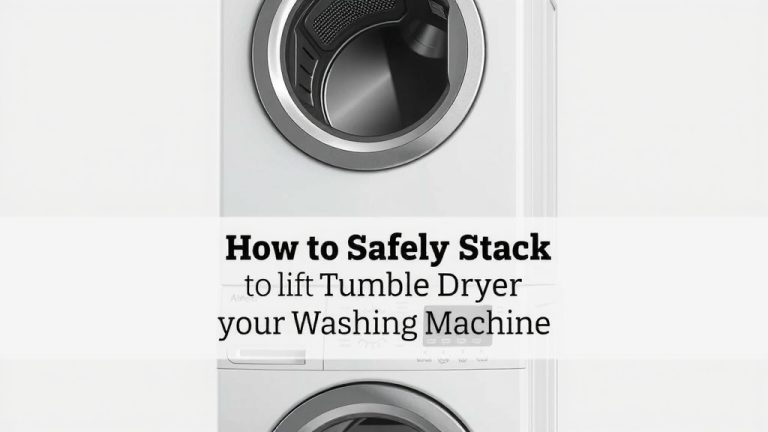
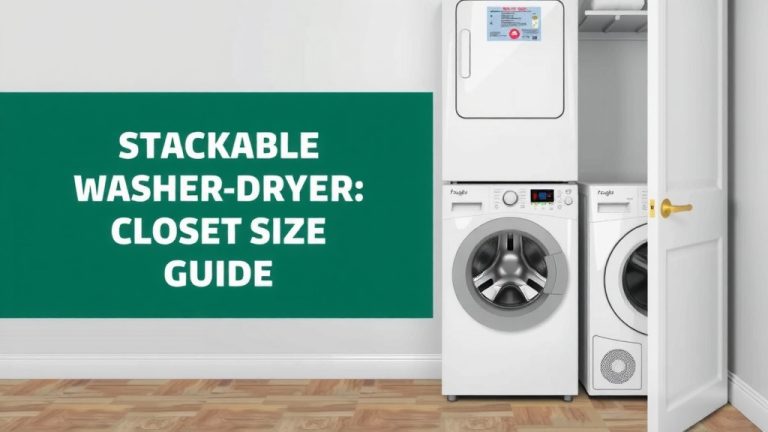
One of the most popular features is stackability. You can place a dryer directly on top of a front-load washer. This is fantastic for smaller homes or apartments. It frees up valuable floor space. This innovative design requires specific engineering and reinforced structures, adding to the cost.
Smart Technology Integration
Many newer front loaders include smart features. You can often control them via a smartphone app. They might send notifications when a cycle is done. Some even offer diagnostic tools. These smart capabilities require advanced circuitry and software development, which increase manufacturing expenses.
Long-Term Value Versus Initial Investment
So, while the initial purchase price might make you pause, it’s worth considering the long-term value. The energy and water savings can offset the higher cost over time. Plus, the gentler cleaning action can extend the life of your clothes. It’s a bit like buying a quality tool – it costs more upfront, but it lasts longer and performs better.
| Feature | Front Loader | Top Loader (Traditional) |
|---|---|---|
| Water Usage | Low | High |
| Energy Efficiency | High | Lower |
| Cleaning Action | Gentle Tumble | Agitator/Impeller |
| Spin Speed | High | Moderate |
| Stackable Design | Yes | No |
| Initial Cost | Higher | Lower |
What You Get for Your Money: A Quick Checklist
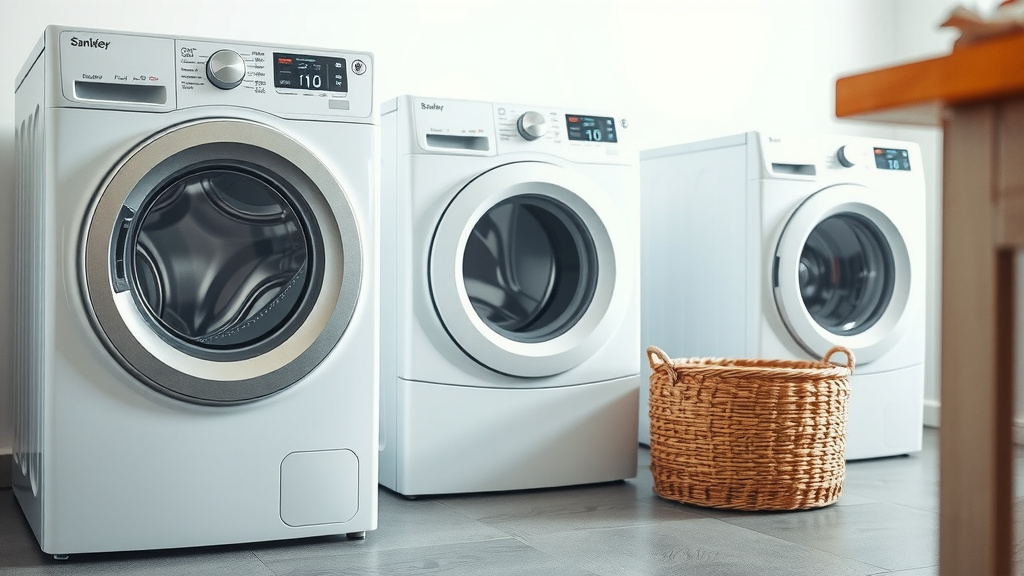
When you invest in a front-loader, you’re getting:
- Superior cleaning performance.
- Exceptional water and energy savings.
- Gentler treatment for your clothes.
- Quieter operation for a more peaceful home.
- Space-saving stackable design options.
- Modern features and advanced technology.
Conclusion
You’ve seen how front-loaders justify their higher price tag. They use advanced engineering for better cleaning and efficiency. Complex internal components and premium features mean higher manufacturing costs. While the initial investment is greater, the long-term savings on water and energy are substantial. Plus, your clothes get a gentler wash. Consider your budget and laundry needs to decide if this investment makes sense for your home. You’re investing in performance and savings over time.
Frequently Asked Questions
Are front loaders really worth the extra money?
For many households, yes. You get superior cleaning, better fabric care, and significant water and energy savings over the machine’s lifespan. These benefits can often outweigh the higher upfront cost when you consider long-term utility bills and clothing longevity.
How much more do front loaders typically cost compared to top loaders?
Front-loading washers generally cost between $200 to $500 more than comparable traditional top-loading models. This price difference reflects the more advanced technology, durable materials, and complex components used in their construction.
Do front loaders save enough on utilities to justify the price?
Yes, they typically do. Front loaders use considerably less water and energy because they don’t need to fill the entire tub. Over several years, these savings on your water and electricity bills can help recoup the initial price difference.
Why are the internal parts of front loaders more expensive to make?
Front loaders use higher-grade stainless steel drums, more robust suspension systems for higher spin speeds, and advanced motor technology like direct-drive motors. They also incorporate sophisticated sensors and control panels for precise cycle management, all of which increase production expenses.
Does the stackable feature on front loaders add to their cost?
The ability to stack a dryer on top of a front-loader does contribute to the overall cost. This design requires reinforced structures and specific engineering to ensure stability and safety, which adds to manufacturing expenses compared to non-stackable top-loaders.