Stacked Washer Dryer Dimensions: What You Need to Know
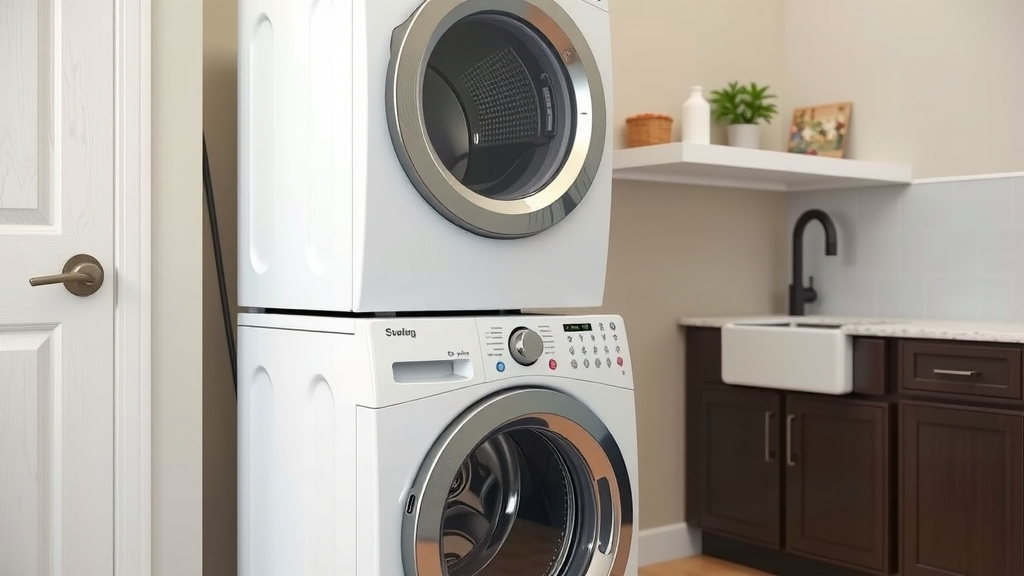
The dimensions of a stacked washer and dryer vary, but a typical stacked unit measures about 27-30 inches wide, 27-30 inches deep, and 70-80 inches tall. This means they fit into a space roughly the size of a standard refrigerator, making them a great choice for smaller laundry rooms or closets. You’ll want to measure your space carefully before buying!
When considering a stacked washer and dryer, it’s important to think about doorway clearance and the height of the appliance. These units combine both laundry functions into one footprint, saving considerable floor space. Many models offer different capacities, so you can find one that fits your household’s needs and your home’s dimensions. Always check the specific model’s specs before purchasing.
- Typical stacked units are about 27-30 inches wide.
- Height usually ranges from 70-80 inches.
- Depth is often around 27-30 inches.
- Always measure your space and doorways.
Below, we’ll dive into the average dimensions and what you need to consider to ensure a perfect fit for your home.
Understanding Stacked Washer and Dryer Dimensions
So, you’re looking to save some space with a stacked washer and dryer? That’s a smart move! Knowing the exact dimensions is key to making sure your new appliance fits perfectly. Let’s break down what you can expect.
Typical Footprint: Width and Depth
Most stacked washer and dryer units are designed to fit into standard laundry spaces. You’ll often find them to be about 27 to 30 inches wide. This is similar to the width of a standard side-by-side refrigerator, which is helpful to visualize. The depth is usually in the same range, typically 27 to 30 inches. This means the appliance won’t stick out too far into your room.
The Vertical Challenge: Height Considerations
The defining feature of a stacked unit is its height. Since it combines two appliances vertically, it’s considerably taller than a single machine. We found that most models stand between 70 and 80 inches tall. To give you some perspective, this is generally taller than most people but shorter than a standard 8-foot ceiling. Always measure your ceiling height, especially if you have any slanted areas or attic access.
Cabinet and Alcove Fit
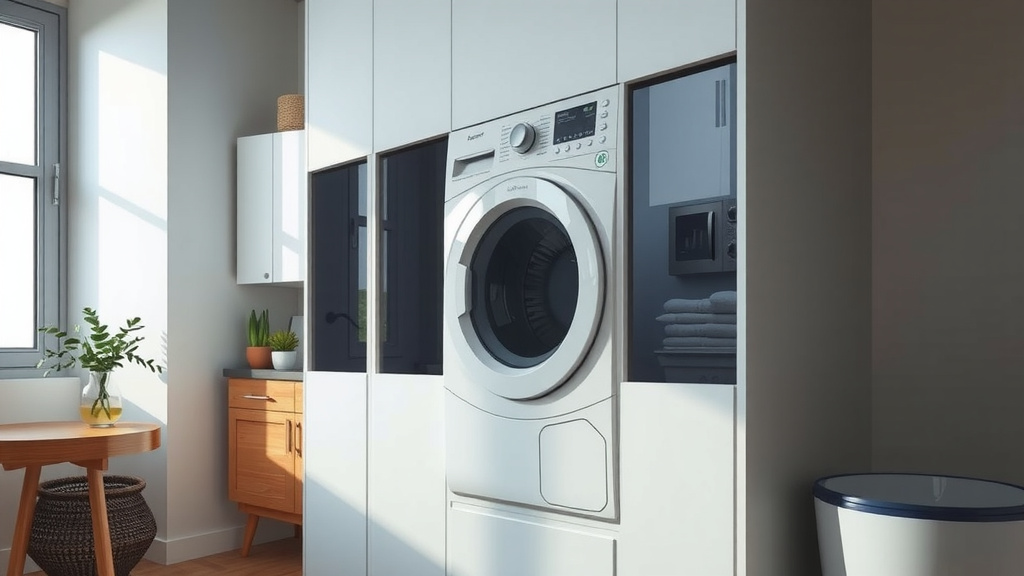
Many homes have dedicated laundry closets or alcoves. These spaces are often designed with appliance dimensions in mind. If your laundry area is a closet, pay close attention to the interior measurements. You’ll need to ensure there’s enough clearance not just for the width and depth, but also for door swings (of the closet door and the appliance doors) and any necessary ventilation.
Closet Width and Depth
When measuring a closet, think about the usable interior space. A closet that’s 30 inches wide might seem adequate, but you need to account for wall thickness and any shelving. The depth is just as important; you need enough room for the machine to sit flush against the back wall without crushing hoses.
Closet Height
For the height, ensure the closet ceiling is at least a few inches taller than the stacked unit. This breathing room is essential for installation and for preventing damage. We discovered that some older homes might have lower ceilings, so a precise measurement is always best.
Beyond the Appliance: Essential Space Considerations
It’s not just about the appliance fitting *inside* a space. You also need to think about how you’ll get it *into* that space, and how you’ll use it once it’s there. These are often overlooked details that can cause headaches.
Doorway Clearance: The Entry Test
This is a big one! You have to get the stacked unit through doorways and hallways to reach its final destination. Stacked units are tall and heavy, often coming in one assembled piece. Measure the width of all doorways, stairwells, and tight corners along the delivery path. Many experts suggest adding a few inches to the appliance’s width and depth for maneuvering.
We found that a typical stacked unit is around 27-30 inches wide. If your doorway is exactly 30 inches, you might be cutting it very close. Think about tilting the unit or removing doors if necessary. Always check the manufacturer’s specifications for shipping dimensions, as these can sometimes be slightly different from the installed dimensions.
Water and Electrical Access
Where are your water hookups and electrical outlets located? Stacked units have hoses and cords that need to reach these points. Ensure the machine can sit close enough to the wall without straining the connections. You might need to confirm that your existing plumbing and electrical setup can support the new appliance.
Ventilation Needs
Like any dryer, a stacked unit needs proper ventilation. Most are vented, meaning they require a connection to an exterior vent. Ensure you have a suitable place to run the vent hose. Some models are ventless, using a condenser or heat pump system, which can simplify installation but might have different dimension requirements or performance characteristics.
Vented Dryer Requirements
If you opt for a vented model, the space needs to accommodate the dryer vent ducting. This means there should be a clear path from the back of the unit to the outside of your home. Proper venting is critical for drying efficiency and safety, as it prevents lint buildup and potential fire hazards.
Ventless Dryer Considerations
Ventless dryers, particularly heat pump models, often require a bit more space around them for optimal airflow. While they don’t need an external vent, they do need clearance to dissipate heat effectively. Always check the manual for specific airflow recommendations.
Using Your Stacked Unit: Ergonomics and Access
Once installed, how easy will it be to use? The top unit, typically the dryer, will be quite high. You’ll need to reach into the drum to load and unload clothes. If you’re on the shorter side, this might be a stretch. Consider if you’ll need a small step stool.
Loading and Unloading
Think about the height of the dryer door. For someone who is 5’5″, reaching the back of a dryer drum that’s 75 inches off the floor can be challenging. Many people find they need to lean in significantly. If this is a concern, a front-loading washing machine and a top-loading dryer side-by-side might be a better fit for ease of access, even though they take up more floor space.
Control Panel Location
The control panels are usually located on the front of the machines. For a stacked unit, the washer’s controls are at the bottom, and the dryer’s are at the top. Ensure you can comfortably reach and see the dryer controls. Some models have digital displays that are easier to read from a distance.
Key Measurements to Take Before You Buy
To make sure you’re prepared, here’s a quick checklist of what you absolutely must measure:
- Height of your laundry space (including ceiling height).
- Width of your laundry space.
- Depth of your laundry space.
- Width of all doorways and hallways the unit must pass through.
- Proximity of water hookups and electrical outlets.
- Location for dryer venting (if applicable).
Capacities and Their Impact on Dimensions
While the overall footprint of stacked units is fairly standard, the internal capacity can vary. Larger capacity units might have slightly larger drums, which could affect depth or width by an inch or two. However, the primary factor determining external dimensions is the need to house both machines vertically.
We found that most standard stacked units offer capacities suitable for small to medium households. If you have a large family and generate a lot of laundry, you’ll want to ensure the capacity meets your needs without compromising the fit. Always cross-reference capacity with the overall external dimensions.
| Appliance Component | Typical Width | Typical Depth | Typical Height |
|---|---|---|---|
| Stacked Washer/Dryer Unit | 27-30 inches | 27-30 inches | 70-80 inches |
| Standard Refrigerator | 30-36 inches | 30-36 inches | 65-70 inches |
| Standard Single Washer or Dryer | 27-30 inches | 28-34 inches | 35-40 inches |
Comparing Stacked vs. Side-by-Side
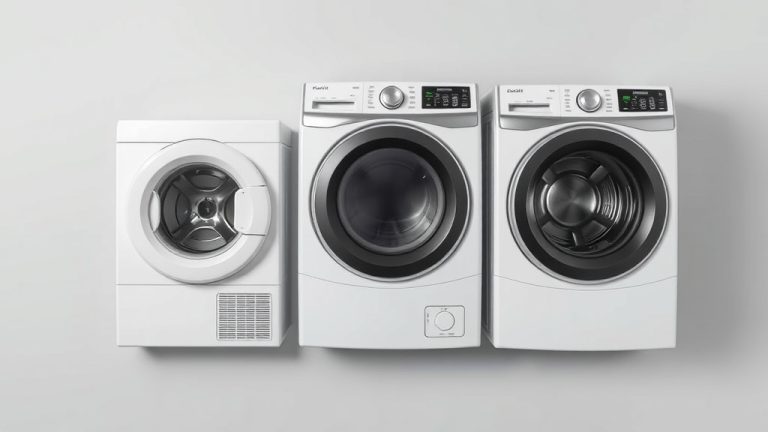
It’s helpful to compare stacked dimensions to traditional side-by-side setups. A side-by-side configuration requires two separate machines placed next to each other. This setup typically takes up more floor space (around 54-60 inches in width) but is much shorter (around 35-40 inches in height per unit).
If floor space is your primary concern, a stacked unit is the clear winner. However, if ease of access and lower height are more important, side-by-side might be better. The choice often comes down to the specific layout and dimensions of your laundry area.
Conclusion
You’ve learned that stacked washer and dryer dimensions are typically compact, fitting into spaces about 27-30 inches wide, 27-30 inches deep, and 70-80 inches tall. This vertical design saves precious floor space, making it ideal for smaller homes or apartments. Remember that these are averages, and exact measurements can vary by model and manufacturer. Before you buy, always measure your laundry space, doorways, and ceilings meticulously. Double-checking these key dimensions will ensure your new stacked unit fits perfectly and functions smoothly, bringing laundry convenience to your home.
Frequently Asked Questions
What is the standard height for a stacked washer and dryer?
Most stacked washer and dryer units stand between 70 and 80 inches tall. This height is important to consider for ceiling clearance, especially in smaller laundry rooms or closets. Always measure your ceiling height to ensure you have enough room for installation and access.
Can a stacked washer and dryer fit through a standard doorway?
A typical stacked unit is about 27-30 inches wide. While this often fits through standard 30-inch doorways, it can be a tight squeeze. Measure your doorways, hallways, and any tight corners along the delivery path. You might need to tilt the unit or remove doors for easier passage.
How much width does a stacked washer and dryer need in a closet?
A closet needs to be at least 30 inches wide to accommodate most stacked washer and dryer units. You should also account for wall thickness and any shelving inside the closet. Ensure there’s enough wiggle room for installation and ventilation, not just for the appliance itself.
Do I need special electrical or plumbing for a stacked unit?
Stacked units typically use standard electrical outlets and water hookups, similar to individual washers and dryers. However, you must ensure your existing connections can reach the back of the unit without stretching or straining the hoses and cords. Check your home’s setup before purchasing.
Are there ventless stacked washer and dryer options, and do they have different dimension needs?
Yes, ventless stacked washer and dryer options are available, often using condenser or heat pump technology. While they eliminate the need for external venting, they might require slightly more clearance around the unit for optimal airflow and heat dissipation. Always check the manufacturer’s manual for specific ventilation or airflow recommendations for ventless models.