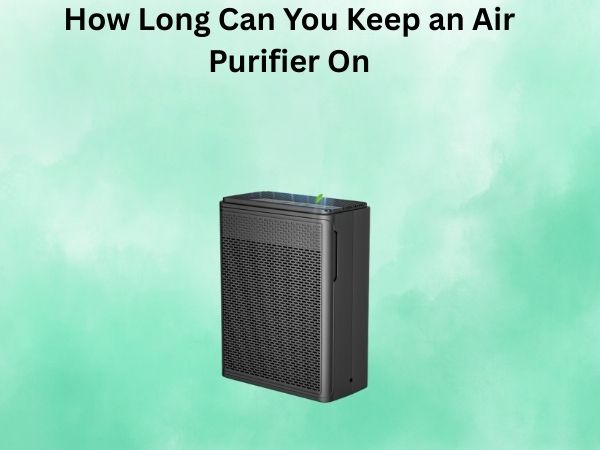
How Long Can You Keep an Air Purifier On? A Complete Guide to Safe Operation
Ever wondered if it’s safe to leave your air purifier running non-stop? You’re asking a question many of us have pondered! When I first got mine, I worried about things like: ‘Will it wear out quickly? How much electricity will it consume? And is it even healthy for me?’ The good news is, understanding how long you can safely operate your air purifier depends on several important factors. Let me guide you through everything you need to know.
Can You Really Run an Air Purifier Twenty-Four Hours a Day?
Here’s the straightforward answer: yes, you can keep an air purifier running continuously for 24 hours a day. Most modern air purifiers are specifically designed to operate around the clock without any issues. Think of it like a refrigerator—we don’t expect our fridges to take breaks, right? Similarly, air purifiers are built as durable appliances meant for extended operation.
However, just because you can run something continuously doesn’t necessarily mean you should in every circumstance. There are practical considerations that might make you want to adjust your usage patterns. The key is understanding what those factors are and making informed decisions based on your specific situation.
The Engineering Behind Continuous Operation
Air purifier manufacturers design their products with continuous operation in mind. The motors, fans, and electrical components are engineered to handle ongoing use without degradation. When engineers create these devices, they conduct longevity tests to ensure components won’t fail prematurely under constant operation.
Understanding Your Air Purifier’s Design and Durability
Most quality air purifiers come with impressive operational hours built into their specifications. We’re talking about devices rated for thousands—sometimes tens of thousands—of hours of continuous operation. If you run your purifier for 24 hours daily, it would take years to approach those limits.
What Manufacturers Say About Runtime
When you check the specifications of reputable air purifiers, you’ll often find they’re rated for 10,000 to 30,000 hours of operation or more. Let me put that in perspective for you. If you run your purifier continuously at 24 hours per day, 365 days a year, you’d accumulate roughly 8,760 hours annually. Even the lower-rated units would last several years of continuous operation.
Component Durability and Construction Quality
The lifespan of your air purifier really depends on build quality. Premium models often feature brushless motors that last significantly longer than standard motors. They produce less heat, consume less energy, and maintain consistent performance even after extended use. Budget models, while still capable of continuous operation, might not maintain peak performance quite as well over many years.
The Impact on Energy Consumption and Your Monthly Bills
Now let’s talk about something that affects your wallet directly: electricity usage. This is where many people start reconsidering whether 24/7 operation makes practical sense for their situation.
Understanding Wattage and Operating Costs
Most air purifiers consume between 50 and 200 watts when running on medium to high settings. Some high-powered models might use up to 300 watts. If we take a typical 75-watt purifier running continuously at that wattage, here’s what happens:
- 75 watts × 24 hours = 1,800 watt-hours daily
- 1,800 watt-hours × 30 days = 54,000 watt-hours monthly
- 54 kilowatt-hours per month
At an average electricity rate of $0.12 per kilowatt-hour, that’s about $6.48 monthly for continuous operation. Doesn’t sound too bad, right? But multiply that across the year, and you’re looking at roughly $77.76 annually just to run that one appliance.
Ways to Reduce Energy Consumption
If you’re concerned about energy costs, here are practical strategies:
- Use the lowest effective fan speed rather than maximum settings
- Take advantage of sleep modes or quiet settings designed for nighttime use
- Use timer functions to run the purifier during peak pollution hours
- Turn off the unit when you’re away from home for extended periods
- Choose Energy Star certified models that perform better with less power
Filter Lifespan and Maintenance Requirements
Here’s where continuous operation actually does matter significantly. Running your air purifier constantly doesn’t harm the machine itself necessarily, but it does mean your filters get dirtier faster and need replacement more frequently.
How Usage Patterns Affect Filter Life
Think of your air purifier’s filter like a sponge. The more air passes through it, the more particles it captures, and the faster it gets saturated. Most manufacturers recommend filter replacements every 6 to 12 months under typical use. If you’re running your purifier 24/7, you might need replacements every 3 to 6 months instead.
Calculating Your Replacement Schedule
Many modern purifiers include usage indicators that track how long your filters have been in service. Some even reset automatically after filter replacement. If you notice your purifier isn’t pulling air as effectively as before, or if the filter indicator lights up, it’s time to change them regardless of how long you think they should last.
Regular filter replacement isn’t optional for maintaining your purifier’s effectiveness. A clogged filter doesn’t just reduce air quality improvement—it also makes the motor work harder, increasing wear and energy consumption.
Filter Replacement Costs Over Time
Replacement filters typically cost between $30 and $100 depending on the model and filter type. If you need replacements twice as often due to continuous operation, factor that into your decision about whether 24/7 running makes economic sense for your household.
Health Considerations for Continuous Operation
You might wonder if continuously running an air purifier could somehow be bad for your health. The good news? Running an air purifier continuously is generally safe and beneficial for most people.
Air Quality Improvement Benefits
Continuous operation means your home maintains consistently clean air. People with allergies, asthma, or respiratory sensitivities often find that keeping their purifier running 24/7 reduces symptoms significantly. The steady filtration prevents pollutant accumulation that happens when you turn the device on and off.
Potential Concerns and How to Address Them
Some people worry that air purifiers might create an excessively sterile environment. That’s not really a concern though. Air purifiers remove harmful particles and pollutants while leaving beneficial air components intact. They’re not creating a vacuum—they’re simply improving what’s already there.
Noise Levels and Comfort During Extended Use
This is probably the most practical limitation for continuous operation. Even whisper-quiet air purifiers make some noise, and hearing that sound 24/7 might drive you crazy.
Understanding Sound Output Across Fan Speeds
Most purifiers operate at different noise levels depending on their fan speed setting. A high-performance model might produce 70 decibels on maximum speed—that’s roughly equivalent to normal conversation. But on sleep mode or lowest setting, that same model might only produce 25-35 decibels, similar to a whisper or quiet library.
Strategies for Comfortable Continuous Operation
If noise is your concern, consider these approaches:
- Run the purifier on low or medium settings most of the time, boosting to high only when necessary
- Place the unit in a location that’s somewhat removed from where you spend the most time
- Use automatic modes that adjust fan speed based on air quality detection
- Run the purifier on silent mode during sleep hours and higher settings during waking hours
- Choose models specifically designed for quiet operation
Optimal Usage Schedules for Different Situations
Rather than thinking in terms of whether you should run your purifier 24/7, let’s consider what actually makes sense for your lifestyle.
For Allergy and Asthma Sufferers
If someone in your household has allergies or asthma, running the purifier continuously—or at least during sleeping hours when symptoms are most bothersome—provides real relief. The consistent clean air prevents allergen buildup that triggers nighttime symptoms.
For General Air Quality Improvement
If you’re just concerned about general air quality improvement without specific health conditions, running your purifier during peak pollution times often provides adequate benefit. These typically include late afternoon and evening when outdoor pollution concentrations are highest.
For Pet Owners
If you have pets that shed, continuous operation helps manage dander and odors more effectively. The constant air circulation prevents odor and dander from accumulating between purification cycles.
How Temperature and Humidity Affect Operation
Environmental conditions in your home impact both your purifier’s performance and optimal operation duration.
Operating in Extreme Temperatures
Air purifiers work best in temperature ranges between 50°F and 100°F. Operating outside these ranges won’t necessarily damage the device, but efficiency might decrease. Avoid placing your purifier in unheated basements in winter or hot garages in summer if possible.
Humidity Considerations
High humidity can affect some filter types and can potentially cause motor issues over extended periods. If you live in a very humid climate, ensure your purifier has adequate ventilation and consider using a dehumidifier alongside your purifier in particularly damp spaces.
Signs Your Air Purifier Needs a Break
Even though air purifiers are designed for continuous operation, certain signs indicate your unit might need maintenance or a rest period.
Warning Signs of Strain
- Unusual grinding or squealing noises that weren’t present before
- Visible dust accumulation inside the unit
- Reduced air output despite clean filters
- Motor running consistently at maximum speed
- Overheating—the unit feeling excessively hot to touch
- Tripping breakers or showing electrical issues
If you notice any of these signs, it’s time to give your purifier a break and have it serviced or checked by a professional.
Comparing Different Types of Air Purifiers
Not all air purifiers are created equal, and different types have different considerations for continuous operation.
HEPA Filter Purifiers
HEPA filter-based purifiers are the most durable option for continuous operation. They handle 24/7 running without issues and maintain consistent performance. The main factor is filter replacement frequency.
Activated Carbon Purifiers
These work great for odor removal and can run continuously, but carbon filters eventually become saturated and less effective. They typically need replacement more frequently than HEPA filters.
UV and Ionizer Purifiers
Ionizers can technically run continuously, though some people prefer not to due to concerns about ozone production. UV purifiers are fine running 24/7 and actually benefit from continuous operation since they eliminate pathogens on an ongoing basis.
Photocatalytic Purifiers
These advanced systems handle continuous operation well and actually perform better when running constantly, as they provide ongoing air purification and pollutant breakdown.
Best Practices for Maximum Efficiency
If you’re going to run your air purifier continuously, you might as well maximize its effectiveness.
Optimal Placement Strategies
Place your purifier in a central location where air can circulate freely. Avoid corners, alcoves, or spaces blocked by furniture. The purifier needs clear airflow to function properly.
Maintaining Peak Performance
- Check filters monthly even if the indicator hasn’t lit up yet
- Clean pre-filters according to manufacturer instructions
- Ensure adequate clearance around intake and output vents
- Avoid placing it directly against walls or in enclosed spaces
- Keep the unit on a level, stable surface away from heat sources
When to Run Your Air Purifier All Day Long
Certain situations make 24/7 operation particularly worthwhile and beneficial.
High Pollution Days
When air quality indices are poor due to wildfires, industrial pollution, or heavy traffic, running your purifier continuously makes real sense. You’re actively fighting against external pollution entering your home.
Cold and Flu Season
During winter when respiratory viruses circulate more widely, running your purifier continuously can help reduce airborne pathogen transmission. This is especially important if someone in your home is sick or immunocompromised.
During Home Renovations or Construction
If you’re doing interior work that generates dust, running your purifier non-stop helps manage the extra particulate matter in the air.
Seasonal Considerations for Year-Round Use
Your air purifier usage might reasonably shift with the seasons.
Spring Allergy Season
Spring pollen counts surge dramatically, making continuous operation extremely beneficial for allergy sufferers during these months. You might run your purifier full-time in spring and dial it back to nighttime-only operation in less problematic seasons.
Summer and Wildfire Season
If you live in areas prone to wildfires, summer might require heavy purifier use. Smoke is particularly challenging for air quality, justifying continuous operation during fire season.
Winter Considerations
Winter brings closed windows and less outdoor air exchange, which means indoor pollutants accumulate more readily. Continuous winter operation helps counteract this effect.
Extending the Life of Your Air Purifier
Want your purifier to last as long as possible? Here’s