How Often Do I Change My Air Purifier Filter? A Complete Guide to Maintenance
Congratulations on your new air purifier! A top question on many new owners’ minds is filter replacement frequency. The truth is, there’s no single ‘right’ answer, and that’s exactly what we’ll dive into today. Think of your air purifier’s filter as the vital organ keeping your indoor air fresh – it thrives on regular attention.
Outline of This Guide
- Understanding Your Air Purifier Filter System
- Factors That Affect Filter Lifespan
- General Timeline for Filter Replacement
- Different Filter Types and Their Replacement Schedules
- Signs Your Filter Needs Changing
- How to Check Your Filter’s Condition
- Extending Your Filter’s Lifespan
- Cost Considerations for Filter Replacement
- Common Mistakes People Make
- Professional Maintenance Tips
- Seasonal Changes and Filter Replacement
- Environmental Impact of Filter Changes
- Conclusion
Understanding Your Air Purifier Filter System
Before we dive into the specifics of when to change your filter, let’s talk about what you’re actually dealing with. Most modern air purifiers contain multiple layers of filtration, kind of like the security checkpoints in an airport. Each layer does something different, and understanding this will help you appreciate why maintenance matters so much.
The Multi-Layer Filtration Approach
Your typical air purifier usually has between three and five different filter stages. The first stage is usually a pre-filter that catches the larger particles—think of it as the bouncer at the door. Then you’ve got HEPA filters that capture smaller particles, activated carbon filters that handle odors and chemicals, and sometimes additional specialized filters depending on your model.
Each of these layers plays a crucial role in keeping your indoor air clean and fresh. When any of these filters become saturated with particles, they start working less effectively. It’s like trying to drink through a clogged straw—the harder you suck, the less water comes through.
Factors That Affect Filter Lifespan
Your Living Environment
The biggest factor in determining how often you’ll need to change your filter is what’s happening in your home and surrounding area. Do you live on a busy street where traffic pollution is constant? Are you in a dusty climate? Do you have pets shedding fur everywhere? All of these factors dramatically impact how quickly your filter becomes clogged.
I like to compare this to washing your car. If you park it in a covered garage away from dirt, you might wash it once a month. But if you live on a construction site, you’d probably wash it weekly. Your air purifier filter works the same way.
Household Activities
What you do inside your home matters tremendously. If you cook frequently, especially with high-heat methods, your activated carbon filter will work overtime. Smoking indoors absolutely destroys filter lifespan. Even things like lighting candles regularly or using incense will reduce filter longevity.
Number of People and Pets
More people means more skin cells, hair, and general particles being released into the air. Pets amplify this effect significantly. If you live alone in a quiet apartment, your filter might last longer than someone in a bustling household with three cats and two dogs.
Seasonal Changes
Different seasons bring different challenges. Spring allergy season might put extra strain on your filters. Winter heating can dry out your indoor air and create more dust. Summer humidity can affect how your filters accumulate moisture-laden particles.
General Timeline for Filter Replacement
The Standard Recommendation
Most manufacturers suggest changing your air purifier filter every three to six months. That’s the sweet spot for average household conditions. However, and I want to emphasize this, your specific situation might require more frequent changes.
Here’s what this typically looks like:
- Pre-filters: Every one to three months
- HEPA filters: Every six to twelve months
- Activated carbon filters: Every three to six months
- Specialized filters: Varies by type
Heavy Usage Scenarios
If you fall into what I call the “heavy usage” category—maybe you’re a smoker, have multiple pets, or live in a highly polluted area—you might need to change your filters every month or two. This isn’t wasteful; it’s actually necessary to maintain the effectiveness of your investment.
Different Filter Types and Their Replacement Schedules
HEPA Filters
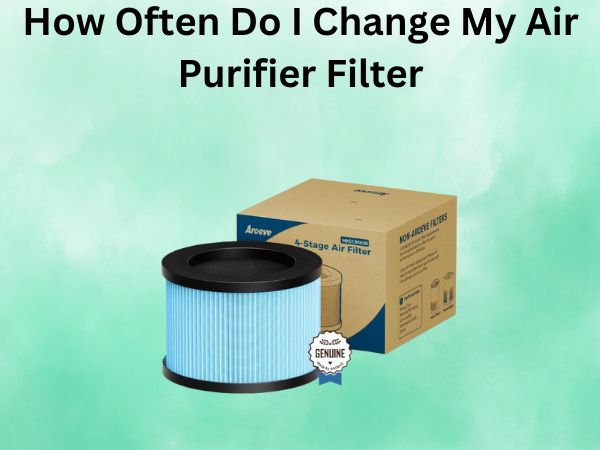
HEPA filters are the workhorses of air purification. They capture particles as small as 0.3 microns, which includes pollen, dust mites, and bacteria. These filters typically last between six and twelve months under normal conditions. The keyword here is “normal conditions.” If your home isn’t normal, adjust accordingly.
Activated Carbon Filters
These filters are specifically designed to absorb odors and volatile organic compounds. They work well, but they saturate more quickly than HEPA filters, usually needing replacement every three to six months. If you’re dealing with strong odors, check this filter more frequently.
Pre-Filters
Pre-filters are the first line of defense and they work hard. They catch the big stuff—pet hair, dust bunnies, and visible particles. You might be able to vacuum these clean instead of replacing them, which can extend their life to three months or more. It’s one of the easiest ways to save money on filter maintenance.
Specialty Filters
Some air purifiers come with specialty filters designed for specific purposes—UV filters, photocatalytic filters, or ionizers. These have varying lifespans depending on their technology. Check your manual for specific guidance on these.
Signs Your Filter Needs Changing Right Now
Visual Inspection
This is the most obvious way to tell if your filter is ready for replacement. Open up your purifier and take a look. Is the filter discolored? Does it look dirty or clogged? A clean filter is usually white or light gray. If yours looks dark brown or black, it’s definitely time for a change.
Reduced Air Purifier Performance
Have you noticed that your air purifier seems less effective lately? Maybe the air smells a bit staler than before, or you’re noticing more dust settling on surfaces. This is your purifier telling you it’s working harder with a clogged filter and not getting the job done as well as it used to.
Unusual Noises or Smells
A clogged filter can cause your air purifier to make unusual sounds as it struggles to pull air through the blockage. Sometimes you might also notice a musty or stale smell coming from the unit itself. These are red flags that replacement time has arrived.
Visible Dust Accumulation
If you’re noticing more dust accumulating on surfaces in your home despite running the purifier regularly, that’s a sign it’s not working at full capacity. This usually means the filter is ready for replacement.
How to Check Your Filter’s Condition
The Monthly Check Method
I recommend checking your filter once a month, even if you’re not planning to replace it. This keeps you aware of how quickly your specific filter is accumulating particles. You’ll develop an intuition for when replacement is needed.
Using Your Air Purifier’s Indicators
Many modern air purifiers come with built-in filter replacement indicators. These might be lights, digital displays, or mobile app notifications. These are helpful, but don’t rely on them exclusively. Sometimes they’re overly conservative, other times they’re not quite accurate for your specific situation.
The Flashlight Technique
Hold a flashlight behind your filter and look at it from the front. If light passes through easily, the filter is still relatively clean. If it’s blocked or heavily restricted, replacement time is here. This simple technique gives you a quick visual assessment without needing special equipment.
Extending Your Filter’s Lifespan
Keeping Your Home Cleaner
This might sound obvious, but the cleaner your home is, the longer your filters last. Regular vacuuming, dusting, and sweeping reduce the particle load in your air. It’s like putting your air purifier on an easier diet—it won’t have to work as hard.
Using Pre-Filters Effectively
Pre-filters are your first line of defense and they’re often washable or vacuumable. Clean these regularly to prevent large particles from reaching the more expensive HEPA and carbon filters underneath. Think of them as sacrificial layers protecting your premium filters.
Maintaining Proper Humidity Levels
Air that’s too dry or too humid can affect how quickly filters accumulate particles. Maintaining humidity between forty and fifty percent creates ideal conditions for filter longevity. Use a humidifier in winter and a dehumidifier in summer if needed.
Strategic Placement
Where you place your air purifier matters. Keep it away from windows where outdoor air constantly flows in, and position it in central locations for better circulation. This reduces the purifier’s workload and extends filter life.
Cost Considerations for Filter Replacement
Budget-Friendly Replacement Strategies
Replacement filters can be expensive, sometimes costing fifty to a hundred dollars per set depending on your model. To keep costs manageable, consider buying filters in bulk if your purifier uses a standard size. Many retailers offer discounts for multiple purchases.
Generic Versus Brand-Name Filters
While brand-name filters are specifically designed for your purifier, quality generic alternatives exist that work just as well and cost less. However, I’d recommend sticking with genuine filters for your first replacement to ensure optimal performance, then exploring alternatives if budget is a concern.
Calculating Your True Cost
Let’s say your filters cost eighty dollars and you change them every four months. That’s roughly two hundred forty dollars per year. Compare this to your investment in the air purifier itself and decide if this falls within your acceptable maintenance budget. For many people, the health benefits justify the expense.
Common Mistakes People Make
Ignoring Replacement Until Total Failure
Some people run their filters until they’re completely clogged and the air purifier barely functions. This is hard on your equipment and defeats the purpose of having an air purifier. Don’t wait until things are desperate to replace filters.
Replacing All Filters at the Same Time Unnecessarily
Different filter types have different lifespans. Your pre-filter might need replacement while your HEPA filter is still good. Change filters individually as needed rather than replacing everything at once unless they truly need it.
Not Keeping Track of Replacement Dates
Life gets busy and it’s easy to forget when you last changed your filter. Keep a simple note or calendar reminder. Some people even mark the installation date on the new filter with a permanent marker.
Using the Wrong Filter Type
Always use the exact filter type recommended for your specific air purifier model. Using a different size or type might seem like it fits, but it won’t seal properly and you’ll have air bypass the filter entirely, defeating the purpose.
Professional Maintenance Tips
When to Call a Professional
Most air purifier maintenance is straightforward and you can handle it yourself. However, if your purifier stops working despite having a fresh filter, or if you notice water leaking from the unit, it’s time to contact customer support or a professional technician.
Getting the Most from Your Warranty
Keep records of your filter replacements. If something goes wrong with your air purifier and it’s still under warranty, manufacturers might ask about maintenance history. Having documentation shows you’ve been responsible with your device.
Seasonal Changes and Filter Replacement
Spring Allergy Season
If you suffer from spring allergies, you might want to change your filters more frequently during this season. The increased pollen load means your filters work overtime. Consider replacing them in early spring before allergy season hits hard.
Fall and Winter Considerations
Winter brings indoor heating which can dry out your air and potentially affect filter performance. You might also have increased use of scented candles or fireplaces. Monitor your filters more closely during these months.
Environmental Impact of Filter Changes
Proper Filter Disposal
When you replace your air purifier filter, don’t just throw it in the regular trash. These filters often contain captured particles and can end up in landfills. Some manufacturers have take-back programs. Check with yours to see if they offer recycling options.
Choosing Sustainable Options
Some companies now offer washable and reusable air purifier filters, though they’re not suitable for all models. If your purifier supports washable filters, this can significantly reduce your environmental footprint and save money long-term.
Conclusion
So, how often should you change your air purifier filter? The honest answer is it depends on your specific situation, but a good baseline is every three to six months for most people. The key is to pay attention to your individual circumstances—your environment, household composition, and usage patterns. Check your filters regularly, don’t wait until they’re completely clogged, and always follow your manufacturer’s recommendations as a starting point. Your air purifier is an investment in your family’s health and indoor air quality. Maintaining it properly ensures you get the maximum benefit from that investment. Stay proactive about filter changes, and you’ll enjoy clean, fresh air in your home for years to come.
Frequently Asked Questions
Can I clean my air purifier filter instead of replacing it?
This depends on the filter type. Pre-filters can often be vacuumed or rinsed with water, which extends their life. However, HEPA and activated carbon filters typically cannot be effectively cleaned and restored to their original function. Once they’re saturated, they need to be replaced. Attempting to clean them might damage the filter material.
What happens if I don’t change my air purifier filter?
If you neglect filter replacement, your air purifier becomes increasingly less effective at removing particles and odors from the air. The motor also has to work harder to pull air through a clogged filter, which can reduce the lifespan of your unit and potentially increase energy consumption. Eventually, your air purifier will provide minimal benefit.
Is it worth buying an expensive air purifier if filters cost so much to replace?
Yes, generally speaking. While filter costs add up, a quality air purifier with replaceable filters is still more cost-effective than running an inferior unit that doesn’t clean your air properly. Calculate the annual filter cost and compare it to the health benefits of breathing cleaner air. For most people,