How to Determine Volume of Water: A Complete Step-by-Step Guide
Ever found yourself standing in front of a container of water and wondering exactly how much liquid it actually holds? Whether you’re filling a fish tank, calculating water usage for your garden, or working on a school science project, knowing how to determine the volume of water is an incredibly useful skill. Let me walk you through everything you need to know about measuring water volume—from basic methods to more advanced techniques that’ll make you feel like a true measurement expert.
Understanding What Water Volume Actually Means
Before we dive into the practical methods, let’s clarify what we’re actually talking about. Volume is essentially the amount of space that water takes up, and we measure it in different units depending on where you live and what you’re measuring. Think of it like this: if water were a invisible cloud, volume would be the size of that cloud. It’s three-dimensional space, and measuring it accurately is crucial for countless applications in everyday life.
Why Does Water Volume Matter?
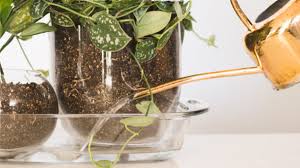
Understanding water volume isn’t just some abstract math concept—it has real-world implications. When you’re watering your plants, you want to know if you’re giving them too much or too little. When you’re filling a swimming pool, you need to calculate volume to determine how many chemicals to add. Even in cooking, following recipes accurately often requires precise volume measurements. Getting this right can save you money, prevent wasted resources, and help you complete tasks more efficiently.
Common Units of Water Volume Measurement
The world doesn’t speak one universal language when it comes to measurements, and that’s something you need to understand first. Different regions use different units, so let’s break down the most common ones you’ll encounter.
Metric System Measurements
If you’re in most countries around the world, you’re probably dealing with metric units. The metric system is beautifully logical because everything connects to each other.
- Milliliters (mL): This is the smallest common unit. One milliliter is one-thousandth of a liter.
- Liters (L): This is the standard unit for everyday water volume. One liter equals 1,000 milliliters.
- Cubic Meters (m³): Used for large volumes, like water storage tanks. One cubic meter equals 1,000 liters.
Imperial System Measurements
The United States and a few other countries stick with the imperial system, which honestly doesn’t follow the same logical progression, but you’ve got to work with what you’ve got.
- Fluid Ounces (fl oz): The smallest unit in the imperial system. This is what you’ll see on water bottles.
- Cups: One cup equals 8 fluid ounces and is commonly used in cooking.
- Gallons: One gallon equals 128 fluid ounces or 16 cups. This is the standard for larger containers.
Method 1: Using a Measuring Cup or Container
This is honestly the simplest and most straightforward approach, and it’s the method most people use in their daily lives. If you have a measuring cup sitting in your kitchen right now, you’re already equipped to measure water volume accurately.
Step-by-Step Process
Here’s how to do it properly so you get accurate results every time:
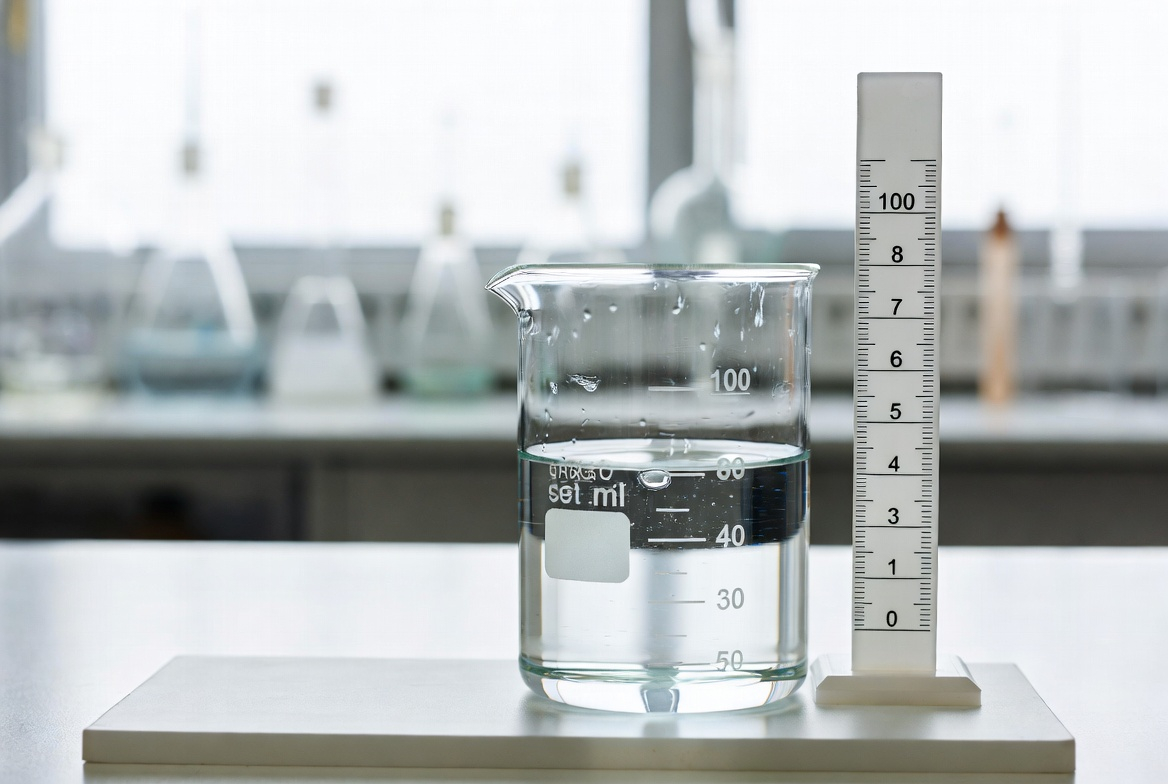
- Get your measuring cup: Make sure it has clear markings on the side indicating different volumes. You want one that shows both the unit of measurement you need.
- Place it on a flat surface: This is crucial because tilting the cup will throw off your measurement. A level surface ensures accuracy.
- Pour the water in: Pour your water slowly and carefully into the measuring cup. Rushing this step can lead to spills and inaccurate readings.
- Read at eye level: Don’t look down at the cup from above. Instead, get your eyes level with the measurement markings and read where the water line sits. This prevents parallax error.
- Note the volume: Write down the measurement you see. If your water doesn’t align perfectly with a marking, estimate the space between lines.
Pro Tips for Accurate Measuring Cup Results
A few insider tricks can help you become a measuring cup master. First, wet the cup slightly before measuring if you’re measuring liquids that are sticky or have oils, as this helps them flow better. Second, invest in a cup with a spout if you don’t have one—it makes pouring much cleaner and reduces splashing. Finally, remember that some measuring cups are designed for liquids and others for solids, so using the right type matters.
Method 2: Calculating Volume Using Container Dimensions
What happens when you don’t have a measuring cup available? That’s when you can pull out some basic geometry. If you have a rectangular container, calculating its volume becomes a straightforward math problem.
Formula for Rectangular Containers
The formula is beautifully simple: Volume equals length times width times height. If your container is a perfect rectangular shape, just measure these three dimensions and multiply them together. The result will be in cubic units—so if you measure in inches, you’ll get cubic inches, which you can then convert to your preferred volume measurement.
Step-by-Step Calculation
Let’s walk through a practical example so this makes sense. Imagine you have a fish tank that’s 20 inches long, 10 inches wide, and 12 inches tall.
- Multiply length times width: 20 × 10 = 200 square inches
- Multiply that result by height: 200 × 12 = 2,400 cubic inches
- Convert cubic inches to gallons: 2,400 ÷ 231 = approximately 10.4 gallons
Now you know exactly how much water your fish tank holds! Pretty neat, right?
Formula for Cylindrical Containers
Cylinders are a bit trickier because they’re round. The formula here is: Volume equals pi times radius squared times height. If your container is a cylinder, measure the radius (the distance from the center to the edge) and the height, then plug those numbers in. The radius measurement is particularly important to get right, so measure from the absolute center of the circular opening to the edge.
Method 3: Using a Digital Scale
Here’s something that might surprise you: water has a very specific and convenient property. One milliliter of water weighs almost exactly one gram (more precisely, 1.0 gram at 4 degrees Celsius). This means if you have a digital kitchen scale, you can measure volume by measuring weight.
How This Method Works
This approach is incredibly useful because digital scales tend to be more precise than some other measuring methods. You simply place a container on the scale, tare it to zero, then add water and observe the weight. If your scale shows 500 grams, you’re holding 500 milliliters of water.
Steps to Follow
- Set up your scale: Make sure it’s on a stable surface and that it’s functioning properly. Some scales have a warm-up period, so let it sit for a moment.
- Place your container: Set your empty container on the scale and note the weight.
- Tare the scale: Press the tare button to reset it to zero, so you’re only measuring the water weight.
- Add water slowly: Pour water into the container while watching the scale. Stop when you reach your desired weight.
- Convert if needed: Remember that grams equal milliliters for water, so if you need liters, divide by 1,000.
Method 4: Displacement Method for Irregular Containers
What if your container isn’t a nice rectangle or cylinder? What if it’s got weird shapes, curves, or strange angles? That’s where the displacement method comes in handy. This technique has been around for centuries and is surprisingly accurate.
Understanding the Displacement Principle
This method is based on Archimedes’ principle: when you submerge an object in water, the volume of water it displaces equals the volume of the object. We can flip this around: the volume of water displaced when we submerge an irregular container equals the container’s volume.
How to Execute the Displacement Method
Here’s the practical application of this principle:
- Fill a larger container: Use a container you know can hold your irregular container plus some extra water. Fill it partially with water to a known level.
- Note the water level: Mark or remember the current water level using a measuring cup or by noting the height on the container.
- Submerge your container: Carefully place your irregular container into the water, making sure it’s fully submerged and sitting on the bottom.
- Measure the new level: The water level will rise. Measure this new level.
- Calculate the difference: The difference between the two measurements is your volume. If the first measurement was 5 liters and the second is 8 liters, your container holds 3 liters.
Method 5: Using Water Flow Rate for Moving Water
Sometimes you’re not measuring a container that’s sitting still. Maybe you’re measuring how much water flows from a faucet or fountain. In these cases, you need to think about flow rate instead.
Understanding Flow Rate
Flow rate measures how much water moves past a point in a specific amount of time. It’s typically expressed in gallons per minute (GPM) or liters per minute (LPM). If you know the flow rate and how long the water flows, you can calculate total volume.
Measuring Your Faucet’s Flow Rate
Want to know how much water your shower is using? Here’s the simple approach:
- Get a measuring container: A one-liter measuring cup or milk jug works perfectly.
- Time the flow: Turn on your faucet to its normal level and see how long it takes to fill your container with one liter.
- Calculate GPM: If it takes 6 seconds to fill one liter, divide 60 seconds by 6 to get 10 liters per minute (or approximately 2.6 gallons per minute).
Method 6: Online Volume Calculators and Apps
We live in the digital age, and there’s an app or online tool for pretty much everything, including water volume calculation. These tools can save you time and reduce the chance of mathematical errors.
Types of Volume Calculators Available
You’ll find calculators designed for different container shapes: rectangular containers, spheres, cylinders, cones, and more complex shapes. Simply input your measurements and let the calculator do the work. Many of these tools even allow you to input measurements in different units and automatically convert the result to whatever unit you need.
When to Use Digital Calculators
Digital tools are especially helpful when you’re dealing with complex shapes or when you need results in multiple different units. They’re also great for double-checking your manual calculations to ensure you haven’t made any arithmetic mistakes.
Converting Between Different Volume Units
Once you’ve determined your water volume in one unit, you might need it in another. Here’s a quick conversion guide:
Metric Conversions
- 1 liter = 1,000 milliliters
- 1 cubic meter = 1,000 liters
- 1 milliliter = 1 cubic centimeter
Imperial Conversions
- 1 gallon = 128 fluid ounces
- 1 gallon = 3.785 liters (for converting between systems)
- 1 cup = 8 fluid ounces
- 1 fluid ounce = 29.57 milliliters (for converting between systems)
Common Mistakes to Avoid When Measuring Water Volume
Even with the best intentions, people often make mistakes when measuring water volume. Let me help you avoid the most common pitfalls.
Not Reading at Eye Level
Looking down at a measuring cup from above will give you an incorrect reading. Always get your eyes level with the measurement line before recording your result.
Forgetting to Account for Container Weight
When using a scale, always tare your container to zero before measuring. If you don’t, you’ll include the container’s weight in your measurement, which throws everything off.
Using the Wrong Unit Conversions
Double-check your conversion factors. It’s easy to mix up how many milliliters are in a liter versus how many fluid ounces are in a gallon. When in doubt, look it up rather than guessing.
Measuring Irregular or Angled Containers Incorrectly
If your container isn’t perfectly vertical, your height measurement won’t be accurate. Always measure the vertical distance from the bottom to the top, not along the slanted side.
Practical Applications: Real-World Scenarios
Let’s look at some actual situations where knowing how to determine water volume matters in everyday life.
Aquarium and Fish Tank Planning
Fish keepers need to know exact water volumes to calculate filtration requirements, medication dosages, and the proper number of fish for their tank. Even a small mistake can harm your aquatic pets.
Garden and Irrigation Systems
Determining how much water your plants need requires understanding volume. Too much water leads to root rot, while too little causes drought stress. Knowing your water volume helps you water efficiently.
Swimming Pool Maintenance
Pool chemicals are dosed based on water volume. If you add too much chlorine or not enough, your pool becomes unsafe or develops algae problems. Accurate volume measurement is essential.
Cooking and Baking
Recipes often call for specific water volumes. While small variations might not matter in some dishes, precision is crucial in baking where chemical reactions depend on exact ratios.
Advanced Techniques for Complex Situations
For those situations where basic methods don’t quite work, there are some advanced approaches worth knowing about.
Using Mathematical Models for Non-Standard Shapes
If you’re dealing with a container that has a completely irregular shape, you might need to break it down into simpler geometric shapes. Measure each section separately, calculate their volumes, and add them together. It’s more complex, but it works.
Water Volume Under Different Conditions
Keep in mind that water volume can change slightly depending on temperature. Hot water takes up slightly more space than cold water due to thermal expansion. For most