How Long After Carpet Cleaning Can I Vacuum?
You can usually vacuum your carpet about 6 to 12 hours after professional cleaning. Some methods may allow for an even quicker vacuuming time. It’s important to let your carpet dry thoroughly to prevent any damage or re-soiling. This waiting period helps ensure your freshly cleaned carpets look their best.
Waiting to vacuum is a key step after professional carpet cleaning. This allows the carpet fibers to completely dry and reset. Rushing this process can undo the cleaning efforts. We found that allowing adequate drying time is essential for the longevity and appearance of your carpets.
- Wait 6-12 hours before vacuuming.
- Allow carpet to dry completely.
- Avoid walking on wet carpet.
- Check cleaner’s specific drying recommendations.
Below, we’ll walk you through the best practices for vacuuming after your carpet cleaning service. Let’s make sure your carpets stay fresh for as long as possible!
When Can You Walk on Carpet After Cleaning?
So, you’ve just had your carpets professionally cleaned, and they look and smell amazing! It’s tempting to jump right back into normal life, but you’re probably wondering, “When can I actually walk on this thing?” The general rule of thumb is to wait about 6 to 12 hours before letting foot traffic return. This gives your carpet the best chance to dry out completely.
Think of your carpet fibers like a sponge. When they’re wet, they’re delicate and easily damaged. Allowing them ample time to dry ensures they regain their strength and bounce. Rushing the process can lead to crushing the fibers, which makes them look matted and can even attract dirt faster in the future. So, patience is key!
Understanding Carpet Drying Times
The exact drying time can vary quite a bit. Several factors play a role in how quickly your carpet goes from damp to dry.
The Cleaning Method Matters
Different carpet cleaning methods have different drying requirements. This is probably the biggest influencer on your waiting time.
Hot Water Extraction (Steam Cleaning)
This is a very common method. A powerful machine injects hot water and cleaning solution deep into the carpet. Then, it extracts most of that moisture. Because it uses a lot of water, it typically requires a longer drying period. Most professionals recommend waiting at least 8 to 12 hours after this type of cleaning.
Encapsulation Cleaning
This method uses a cleaning solution that crystallizes dirt. It’s then brushed into the carpet and vacuumed up. This process uses much less water. As a result, carpets cleaned with encapsulation can often be dry much faster. You might be able to walk on them within 1 to 2 hours.
Dry Carpet Cleaning
This method uses special powders or compounds that absorb dirt. They are spread over the carpet and then vacuumed away. Since no liquid is used, the carpet is usually ready for use almost immediately after the final vacuuming. This is the quickest option by far.
Environmental Factors Influencing Drying
Beyond the cleaning method, your home’s environment plays a big part. Think of it like laundry day; some days things just dry faster.
Humidity Levels
If it’s a particularly humid day in your home, your carpet will take longer to dry. High humidity means there’s more moisture in the air, slowing down evaporation. It’s like trying to dry a towel in a steamy bathroom – it just doesn’t happen quickly!
Airflow and Ventilation
Good airflow is your best friend when it comes to drying carpets. Open windows (if the weather permits) or use fans to circulate air. This helps move the moist air away from the carpet, encouraging faster evaporation. Many cleaning companies recommend this simple step.
Temperature
Warmer temperatures generally speed up drying. If your home is kept at a comfortable, slightly warmer-than-usual temperature, your carpet will dry more efficiently. Avoid making it too hot, though, as that can also cause discomfort.
Why Waiting is Crucial: What Happens if You Vacuum Too Soon?
You might be thinking, “What’s the big deal? It’s just a little damp.” Well, there are a few reasons why sticking to the recommended waiting time is really important.
Preventing Carpet Damage
When carpet fibers are wet, they are at their weakest. Walking on them, especially with shoes on, can crush the pile. This can lead to permanent matting, where the fibers bend and don’t spring back. It’s like stepping on a brand new, plush towel repeatedly – you’ll flatten it out.
Avoiding Re-Soiling
This is a big one! Wet carpet fibers are sticky. They attract dirt and dust particles like a magnet. If you vacuum too soon and the carpet is still damp, your vacuum cleaner might actually push dirt deeper into the fibers. You could end up undoing all the great work the cleaning service did.
Protecting Your Vacuum Cleaner
Most vacuum cleaners aren’t designed to handle significantly damp carpet. Running your vacuum over a wet carpet can clog the brush roll, strain the motor, and potentially cause damage. It’s best to let the carpet be fully dry to keep your vacuum happy and healthy.
When Can I Vacuum My Carpet After Cleaning? A Quick Guide
Here’s a simple breakdown to help you remember the key waiting times. Keep in mind these are general guidelines.
| Cleaning Method | Recommended Waiting Time Before Vacuuming |
|---|---|
| Hot Water Extraction (Steam Cleaning) | 8-12 hours |
| Encapsulation Cleaning | 1-2 hours |
| Dry Carpet Cleaning | Immediately after final vacuuming by the cleaner |
This table should give you a handy reference point. Of course, the best advice always comes from the professionals who cleaned your carpet.
What To Do While You Wait
The waiting period can feel long, but there are things you can do to help the drying process and protect your carpet.
- Limit Foot Traffic: Only walk on the carpet when absolutely necessary.
- Go Barefoot or Wear Socks: If you must walk on it, avoid shoes. Socks are better, and going barefoot is even gentler.
- Keep Pets Away: Pets, especially dogs, can have accidents or track in dirt. It’s best to keep them out of the cleaned rooms.
- Use Fans: Circulate air with ceiling fans or portable fans to speed up drying.
- Avoid Furniture: Try not to place furniture back until the carpet is completely dry. If you must, place foil or plastic under the legs to prevent staining or rust marks.
Check with Your Carpet Cleaning Professional
While the general guidelines are helpful, your carpet cleaning service is the ultimate authority. They know the specific products and equipment they used. They can also assess your carpet’s material and your home’s conditions.
Always ask them directly about their recommended drying and vacuuming schedule. They will often leave you with specific instructions. Following their advice is the surest way to protect your investment and keep your carpets looking great. Many experts emphasize that a quick call or a look at their written instructions can save a lot of potential trouble.
The First Vacuuming After Cleaning
Once the waiting period is over and your carpet feels dry to the touch, you’re ready for that first vacuum. It’s not just about *when* you vacuum, but *how* you vacuum.
Is My Carpet Truly Dry?
Do a quick touch test. Press your hand firmly into the carpet. If it feels damp at all, it’s not ready. Listen for any squishing sounds. If you hear or feel moisture, give it more time. Sometimes, it’s hard to tell if the backing is still wet, especially with thicker carpets.
Use the Right Vacuum Settings
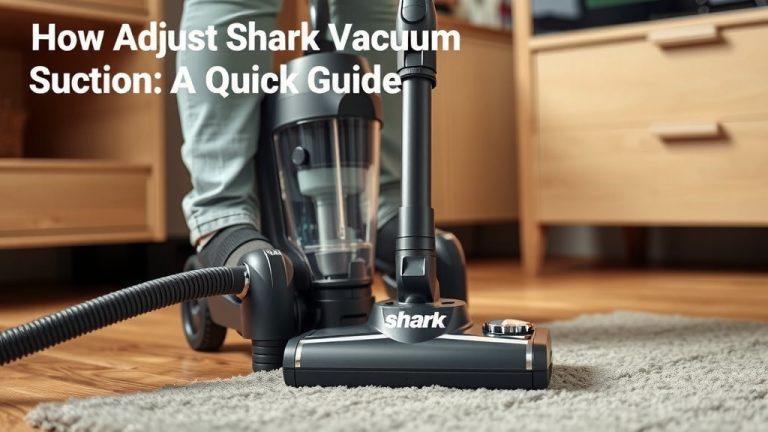
When you do vacuum, make sure your vacuum cleaner is set to the correct height for your carpet pile. Setting it too low can damage the fibers or the vacuum itself. Too high, and it won’t clean effectively. Check your vacuum cleaner’s manual for guidance.
Gentle Passes are Best
For the first vacuuming, consider making slower, more deliberate passes over the carpet. This allows the vacuum to pick up any loosened soil or residual cleaning agents without stressing the fibers. You’re just giving it a gentle wake-up call.
A checklist to remember:
- Wait the recommended drying time (usually 6-12 hours).
- Ensure the carpet is completely dry to the touch.
- Use fans to improve air circulation.
- Avoid heavy furniture on damp areas.
- Follow your cleaner’s specific instructions.
- Use the correct vacuum settings.
Conclusion
You’ve learned that patience is key after professional carpet cleaning. Waiting the recommended 6 to 12 hours, or even less for certain methods, allows your carpet fibers to dry and recover fully. This prevents damage like matting and re-soiling, keeping your carpets looking fresh and clean for longer. Remember to always check with your cleaning professional for their specific advice. Your next step is to enjoy your beautifully cleaned carpets, knowing you’ve helped them last!
Frequently Asked Questions
Can I use a dehumidifier to speed up carpet drying?
Yes, using a dehumidifier can definitely help speed up the drying process. It works by removing moisture from the air, which encourages faster evaporation from your carpet fibers. Just make sure you still allow adequate time for the carpet itself to dry, not just the air.
What if my carpet still feels damp after 12 hours?
If your carpet still feels damp after the recommended waiting time, it’s best to give it more time to dry. Factors like high humidity or poor ventilation can slow down the process. Avoid vacuuming until it’s completely dry to the touch to prevent potential damage or re-soiling.
Is it okay to put furniture back on the carpet right away?
It’s best to wait until the carpet is completely dry before moving furniture back. Placing heavy items on damp carpet can cause permanent impressions or crushing of the fibers. If you must place furniture, use foil or plastic under the legs to prevent staining or rust marks.
How often should I vacuum after professional cleaning?
Once your carpet is fully dry and you’ve vacuumed it for the first time, you can return to your regular vacuuming schedule. For most homes, this means vacuuming high-traffic areas every few days and other areas weekly. Consistent vacuuming helps maintain the cleanliness and appearance of your freshly cleaned carpets.
Does the type of carpet fiber affect drying time?
Yes, some carpet fibers can influence drying times. Natural fibers like wool may absorb and hold moisture differently than synthetic fibers. If you have natural fiber carpets, it’s especially important to follow the cleaner’s specific recommendations for drying and vacuuming.