How to Clean Your Daikin Air Conditioner: A Step-by-Step Guide
The best way to clean your Daikin air conditioner involves regular maintenance of the filters and occasional cleaning of the indoor unit’s exterior. Keeping your Daikin unit clean ensures it runs efficiently and provides your home with fresh air. You can safely clean many parts yourself without needing a professional.
Regular cleaning helps prevent dust buildup and keeps your Daikin air conditioner running at its peak performance. Neglecting cleaning can lead to reduced cooling power and even unpleasant odors. Many homeowners find that a simple cleaning routine saves them money on energy bills and future repairs.
TL;DR:
- Clean the air filters monthly.
- Wipe down the exterior unit regularly.
- Check the drain pan for clogs.
- Dust the fan blades carefully.
- Consider professional deep cleaning annually.
Ready to make your Daikin AC sparkle? Let’s walk through exactly how to get it clean step by step.
Keeping Your Daikin Air Conditioner in Top Shape
Your Daikin air conditioner works hard to keep you comfortable. Regular cleaning is the secret to its long life and efficiency. You can tackle many cleaning tasks yourself. This guide will walk you through the process. We’ll cover everything from simple filter cleaning to deeper unit maintenance.
The Heart of the Matter: Cleaning Your Air Filters
The air filters are the first line of defense against dust and debris. Cleaning them regularly is the most important maintenance step you can take. Dirty filters restrict airflow. This makes your AC work harder and use more energy.
Why Filter Cleaning Matters So Much
Think of your filters like the lungs of your air conditioner. When they’re clogged, it’s hard to breathe. Studies show that dirty filters can reduce an AC’s efficiency by up to 15% (U.S. Department of Energy). This means higher electricity bills and less cool air.
Clean filters also improve your home’s air quality. They trap allergens like dust, pollen, and pet dander. This is great news for anyone with allergies or respiratory issues. Many experts agree that clean filters are essential for healthy indoor air (CDC).
How to Clean Your Daikin Air Filters
Most Daikin indoor units have reusable filters. They are usually found behind the front grille. You’ll need to open the grille to access them. Consult your Daikin owner’s manual if you’re unsure how to open your specific model.
Once you have the filters out, take them outside or to a well-ventilated area. You can typically clean them with a vacuum cleaner. Use the brush attachment to gently remove loose dust. For a more thorough cleaning, rinse them with cool water.
Important note: Never use hot water or harsh chemicals. These can damage the filter material. Allow the filters to air dry completely before reinserting them. Never put wet filters back into the unit. This can lead to mold growth.
How Often Should You Clean Your Filters?
We recommend cleaning your Daikin air filters at least once a month. If you have pets or live in a dusty area, you might need to clean them more often. You can get into a routine by cleaning them on the first weekend of every month. It’s a small task that makes a big difference.
Maintaining the Indoor Unit’s Exterior
The outside of your indoor Daikin unit needs attention too. Dust and grime can build up on the casing. This makes it look less appealing and can even block air intake vents.
Wiping Down the Casing
You can easily clean the exterior of your Daikin unit. First, make sure the AC is turned off at the thermostat and the circuit breaker. Safety first!
Use a soft, damp cloth to wipe down the entire casing. You can use a mild soap solution if there’s stubborn dirt. Avoid using abrasive cleaners or solvents. These can scratch or discolor the plastic. After wiping, dry the unit with a clean, dry cloth. This simple step keeps your unit looking fresh and clean.
Cleaning the Louvers and Vents
The louvers direct the airflow. They can accumulate dust over time. You can use a soft brush or a vacuum cleaner with a brush attachment to clean them. Gently brush away any dust. If they are very dirty, you might need to use a slightly damp cloth. Be careful not to force the louvers.
Checking for Clogs and Obstructions
Your Daikin air conditioner has a drain system. This removes moisture collected during the cooling process. A clogged drain can cause water damage and mold growth.
The Drain Pan and Line
Locate the drain pan, usually found beneath the indoor unit. You may need to remove a panel to access it. Check for standing water or debris. If you see standing water, it’s a sign of a clog. The drain line is a tube that carries water away. You might be able to clear minor clogs yourself.
Some people use a wet/dry vacuum to suction out debris from the drain line. Others pour a mixture of vinegar and water down the drain. This can help prevent mold and algae buildup. If you’re uncomfortable doing this, a professional HVAC technician can clear it for you.
Ensuring Proper Airflow
Make sure nothing is blocking the air intake or outlet vents on your indoor unit. Furniture, curtains, or decorations can impede airflow. Always keep at least a foot of clear space around the unit. Good airflow is vital for your AC to function efficiently.
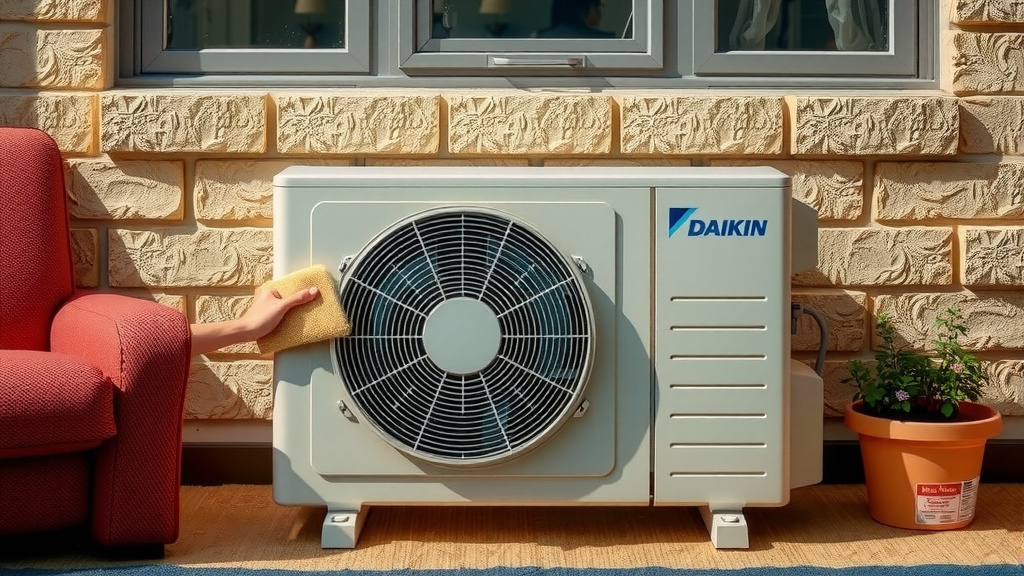
Deep Cleaning: When to Call the Pros
While you can handle regular maintenance, some tasks require professional expertise. Deep cleaning involves cleaning internal components that you can’t easily reach.
What Professionals Clean
A professional HVAC technician can clean the evaporator coil and fan blades. These areas can get very dirty over time. Dust and mold on the evaporator coil reduce its ability to absorb heat. Dirty fan blades can lead to imbalanced operation and reduced airflow.
They also check refrigerant levels and inspect electrical components. This type of deep cleaning is often recommended annually. It helps prevent major issues and keeps your system running optimally. Many experts recommend an annual check-up for all air conditioning systems (EPA).
When to Schedule Professional Service
You might need professional help if you notice:
- Strange noises coming from the unit.
- A decrease in cooling performance.
- Musty or unusual odors.
- Signs of leaks or water damage.
Don’t wait for a breakdown. Scheduling regular professional maintenance can save you money in the long run. It ensures your Daikin air conditioner performs at its best.
Your Daikin AC Cleaning Checklist
Here’s a quick checklist to keep your Daikin unit clean and efficient:
- Monthly: Clean or replace air filters.
- Monthly: Wipe down the exterior casing.
- Quarterly: Check the drain pan for clogs or leaks.
- Annually: Schedule a professional tune-up and deep clean.
- As needed: Clear any obstructions around the indoor unit.
Conclusion
You’ve learned that keeping your Daikin air conditioner clean is within your reach. Regularly cleaning the air filters is the most impactful step you can take. Don’t forget to give the indoor unit’s exterior a wipe down too. Checking the drain pan and ensuring clear airflow are also important tasks. For those deeper cleanings that maintain peak performance, know when to call a professional.
Take action now to ensure your Daikin AC runs smoothly and efficiently all season long. Your next step is to look up your Daikin model’s manual and schedule your first filter cleaning!
Frequently Asked Questions
How do I know if my Daikin AC filters need cleaning?
Visually inspect your filters monthly. If they appear dusty, gray, or clogged with debris, it’s time to clean them. Reduced airflow from your vents is also a strong indicator that your filters are dirty.
Can I use bleach to clean my Daikin air filters?
No, you should avoid using bleach or harsh chemicals. Research shows these can damage the filter material and potentially harm the AC unit. Stick to cool water and a mild soap if needed, and always allow filters to dry completely.
My Daikin AC is making a strange noise. Could cleaning help?
While cleaning can sometimes resolve minor noises caused by dust buildup on fan blades, persistent or loud strange noises often indicate a mechanical issue. It’s best to schedule a professional inspection if you hear unusual sounds.
How often should I have a professional clean my Daikin AC?
Most experts recommend an annual professional tune-up and deep cleaning. This ensures internal components like the evaporator coil and fan blades are thoroughly cleaned, preventing potential problems.
What’s the easiest way to remember to clean my Daikin filters?
Try tying it to a recurring event, like cleaning them on the first weekend of every month or along with your regular house cleaning schedule. Setting a monthly calendar reminder can also be very effective.