
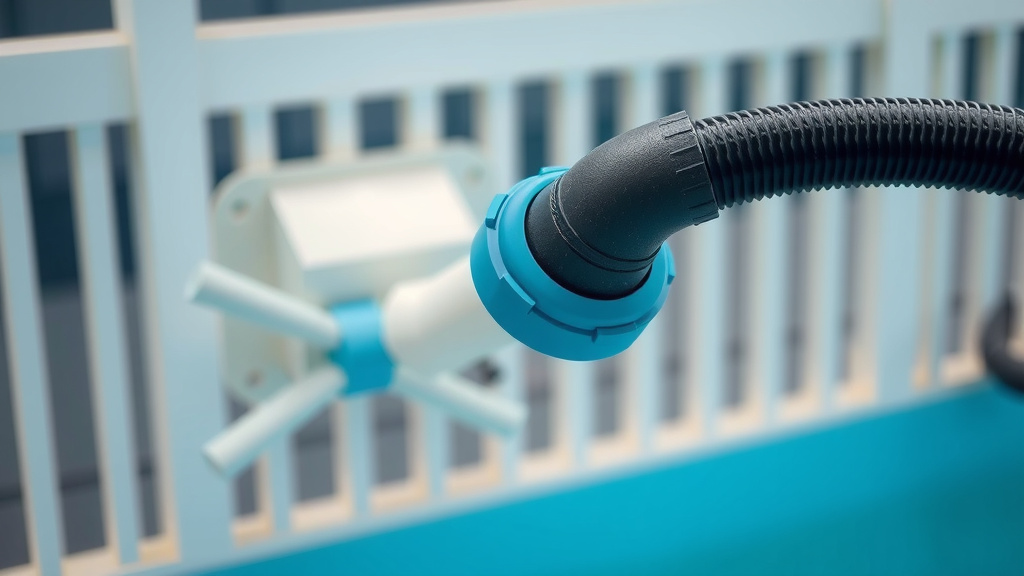
How to Attach Your Pool Vacuum Hose to the Filter
Attaching your vacuum hose to the pool filter is usually a straightforward process. You simply need to ensure the hose is securely connected to the skimmer basket or a dedicated vacuum port, and then the other end connects to your pool filter’s suction line. This setup allows your pool pump to suck debris through the vacuum and into the filter for cleaning.
Getting this connection right is key to an effective pool cleaning routine. A proper connection prevents air from being pulled into your system, which can strain your pump. It also ensures maximum suction power for picking up all that pesky dirt and leaves. Think of it as the direct highway for your pool’s cleaning power.
- Connect hose to skimmer or vacuum port.
- Attach the other end to your filter’s suction line.
- Ensure all connections are tight and secure.
- Check for any air leaks before starting.
- This helps your pump run efficiently.
Ready to get your pool sparkling? Let’s walk through exactly how to get that vacuum hose hooked up correctly, step by step.
Hooking Up Your Pool Vacuum Hose to the Filter System
Attaching your pool vacuum hose to the filtration system might seem tricky, but it’s quite simple once you know the right connection points. We’re going to guide you through making sure your vacuum works efficiently. This process is key to keeping your pool water clean and clear without any headaches. Let’s get this done!
Understanding Your Pool’s Suction Points
Before you connect anything, it’s important to know where your pool filter gets its suction. Your pool pump creates a vacuum. This vacuum pulls water through your skimmer or a dedicated vacuum port. The debris gets caught in the skimmer basket or is pulled directly into your filtration system. You need to tap into this suction to make your vacuum work.
The Role of the Skimmer Basket
Most pool owners use their skimmer basket for vacuuming. The skimmer is the most common attachment point. It’s designed to catch larger debris like leaves and twigs. When you attach your vacuum hose here, the pump pulls water and dirt through the hose. This dirt then goes into the skimmer basket before reaching the pump. It’s an effective first line of defense.
Using a Dedicated Vacuum Port
Some pools have a special vacuum port. This is often a larger opening, sometimes with a threaded fitting. It’s usually located on the side of the pool or near the main drain. Using this port can sometimes offer better suction. It bypasses the skimmer basket, sending debris directly to the filter. Check your pool’s design to see if you have one.
Connecting the Vacuum Hose: Step-by-Step
Now, let’s get to the actual connection. There are two main parts to this: the vacuum head with its hose, and the filter system itself. We’ll cover both ends of the connection so you feel confident.
Attaching the Hose to the Skimmer or Port
This is the first connection you’ll make. You need to create a seal so air doesn’t get sucked into your system. Air in the lines can cause your pump to lose prime and run inefficiently.
For Skimmer Basket Connections
You’ll typically place a vacuum plate inside the skimmer basket. This plate has a hole in the center. Your vacuum hose end then connects to this plate. Some skimmer baskets come with a built-in fitting. Others require a separate vacuum plate. Make sure the plate fits snugly inside the basket. This prevents it from getting sucked into the plumbing.
For Dedicated Vacuum Ports
If you have a vacuum port, it will likely have a threaded fitting. Your pool vacuum hose might have a fitting that screws directly onto this port. You might need an adapter if the sizes don’t match. Again, the goal is a tight, secure connection that won’t let air escape.
Connecting the Other End to Your Filter
The other end of your vacuum hose needs to connect to your pool’s filtration system. This is where the suction from the pump comes into play. The hose connects to the suction side of your pump or filter system.
Understanding the Suction Side
The suction side is any part of your plumbing that pulls water towards the pump. This includes the skimmer and the vacuum port. The return lines, which push water back into the pool, are on the pressure side and are not used for vacuuming. Connecting to the suction side is essential for your vacuum to work.
Direct Connection to Pump vs. Filter Valve
Depending on your setup, you might connect the hose directly to the pump’s strainer basket or to a specific port on your filter system. Many filter systems have a multiport valve. This valve controls water flow for different functions like filtering, backwashing, and bypassing. Some valves have a dedicated “vacuum” or “suction” setting. You’ll attach your hose to a specific port indicated for vacuuming.
| Connection Point | Description | Typical Hose Attachment |
|---|---|---|
| Skimmer Basket | Catches leaves and debris. | Vacuum plate inside basket, hose attaches to plate. |
| Dedicated Vacuum Port | Special fitting for vacuuming. | Hose may screw directly on or require an adapter. |
| Pump Strainer Basket | Pre-filter for pump impeller. | Less common for hoses, often for dedicated cleaners. |
| Filter Multiport Valve | Controls water flow to filter settings. | Connects to a specific “vacuum” or “suction” port. |
We found that understanding these different points helps immensely. It’s not just about plugging something in; it’s about using the system as it was designed.
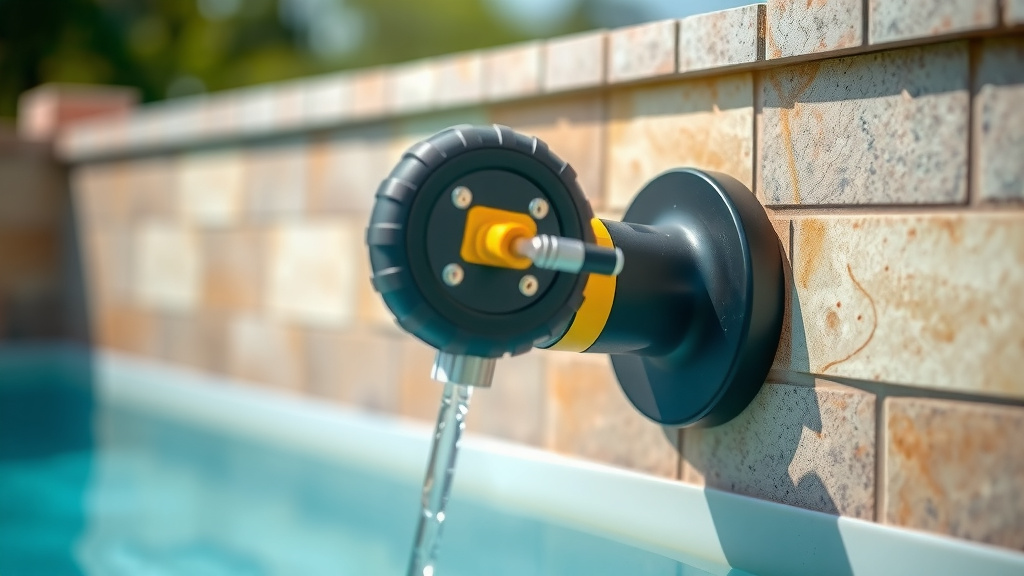
Ensuring a Secure and Leak-Free Connection
A proper connection is vital. A loose connection can cause several problems. The most common issue is air being drawn into the system. This can lead to a loss of prime for your pool pump. A pump running without water can overheat and become damaged. Research from pool maintenance experts consistently highlights the importance of a tight seal (Pool & Hot Tub Alliance).
The Importance of the Hose Length
Make sure your vacuum hose is long enough to reach the deepest part of your pool. It needs to connect easily to the skimmer or port without being stretched too taut. A hose that’s too short is frustrating and can pull away from its connection. Too long and it can become a tangled mess. Many experts suggest using a hose that is about 1.5 times the length of your pool.
Checking for Air Leaks Before You Start
Once everything is connected, take a moment to check for leaks. Turn on your pool pump. Listen for any unusual hissing sounds around the connection points. You should see water flowing into the vacuum hose. If you see a lot of air bubbles in the hose or coming from the return jets, you likely have a leak. This is a good time to double-check all your connections.
Troubleshooting Common Connection Issues
Sometimes, things don’t go perfectly the first time. Don’t worry, we’ve all been there. Here are a few common issues and how to fix them.
No Suction at the Vacuum Head
If your vacuum head isn’t picking up debris, the first thing to check is your connections. Is the hose firmly attached at both ends? Is the skimmer basket clean, or is the vacuum plate blocking flow? Is your pump running? These are simple checks that solve most suction problems.
Pump Loses Prime After Connecting Vacuum
This almost always means you have an air leak. Go back and inspect every joint and connection. Make sure the vacuum plate is seated correctly in the skimmer. If you have a threaded connection, ensure it’s tightened properly. Sometimes, the hose itself can develop a small crack, allowing air to enter. Visually inspect the entire length of the hose.
Here’s a quick checklist to ensure your setup is right:
- Confirm your pump is running.
- Check the skimmer basket or vacuum port for obstructions.
- Securely attach the hose to the skimmer plate or vacuum port.
- Ensure the other end of the hose is connected to the correct filter port.
- Listen for hissing sounds indicating air leaks.
- Verify water is flowing into the vacuum hose.
Conclusion
You’ve now got a clear roadmap for attaching your pool vacuum hose. Remember, a secure connection at both the skimmer or vacuum port and your filter system is key. This ensures your pump runs efficiently and your pool stays sparkling clean. Don’t let air leaks or loose fittings disrupt your cleaning routine. Take a few extra moments during setup to double-check everything. Your next step is to confidently connect your hose and enjoy a cleaner pool with minimal effort.
Frequently Asked Questions
What if my skimmer basket doesn’t have a place for the vacuum hose?
You likely need a vacuum plate. This is a round disc with a hole that fits inside your skimmer basket. It creates a seal, allowing the hose to attach securely. You can find these at most pool supply stores.
Can I connect the vacuum hose directly to the pool pump?
While you connect to the suction side of your system, it’s generally not recommended to connect directly to the pump housing itself. Always use the designated skimmer, vacuum port, or the suction port on your multiport valve. This protects your pump and ensures proper flow.
How do I know which port on my filter valve to use for vacuuming?
Your multiport valve will have different settings like “Filter,” “Backwash,” and “Rinse.” Look for a setting labeled “Vacuum” or “Suction.” The port associated with this setting is where you’ll attach your hose. Consult your filter’s manual if you’re unsure.
My vacuum hose keeps coming loose. What can I do?
This usually means the connection isn’t tight enough or the fitting is worn. For skimmer connections, ensure the vacuum plate is seated correctly and not loose. For threaded ports, try tightening the connection further or consider using Teflon tape on the threads for a better seal. Inspect the hose fitting for damage.
Is it okay to have a few air bubbles in my vacuum hose?
A few small bubbles might be normal, but a constant stream of large air bubbles indicates an air leak. This can cause your pump to lose prime and run inefficiently, potentially damaging it. Always aim for a connection that results in minimal to no visible air in the hose.
![7 Best Heavy Duty Vacuum Cleaner For Carpet [2026]](https://bathroomexplorer.com/wp-content/uploads/2026/06/7-best-heavy-duty-vacuum-cleaner-for-carpet-2026-featured-768x432.jpg)
![7 Best Cordless Vacuum For Rugs And Hardwood Floors [2026]](https://bathroomexplorer.com/wp-content/uploads/2026/05/7-best-cordless-vacuum-for-rugs-and-hardwood-floors-2026-featured-768x432.jpg)