What Does Front Load Mean? Your Guide Explained
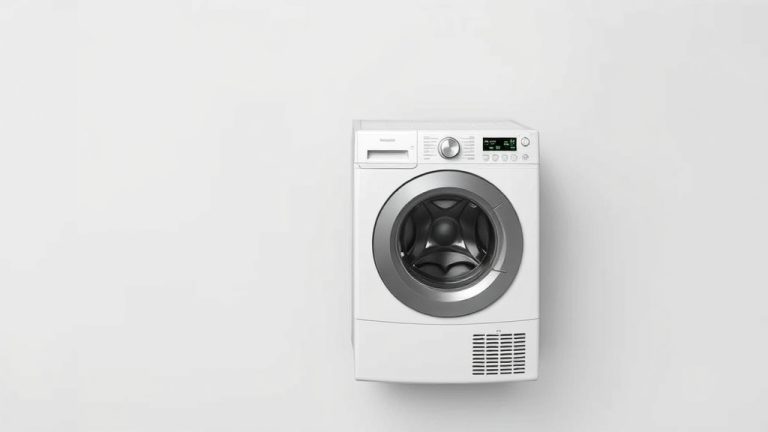
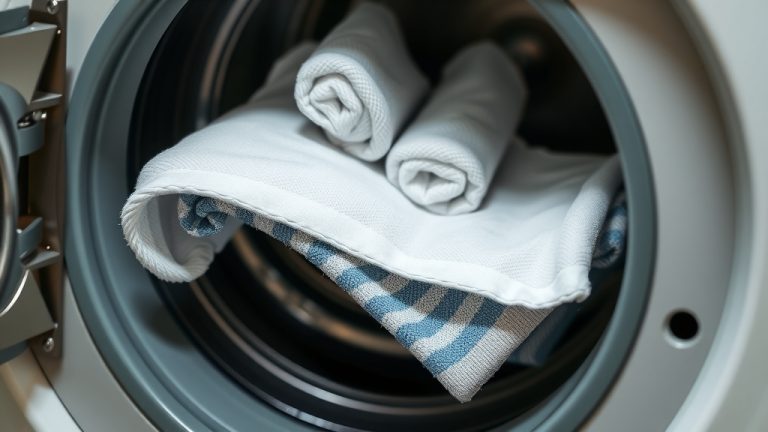
A front load washer means the washing machine door is on the front, not the top. You load your clothes in through the front door. This design is common in modern, high-efficiency machines. They use less water and energy compared to older top-loaders.
When you see “front load” in the context of appliances, it almost always refers to washing machines. These machines are known for being gentle on clothes and offering better cleaning performance. Many people find their sleek design fits well into laundry rooms.
- Front load refers to a washing machine with a door on the front.
- You load laundry through the front opening.
- These washers typically use less water and energy.
- They are often more efficient and gentler on fabrics.
Ready to learn more about what makes these machines tick? Let’s break down the benefits and how they work.
Understanding the Front Load Washing Machine Design
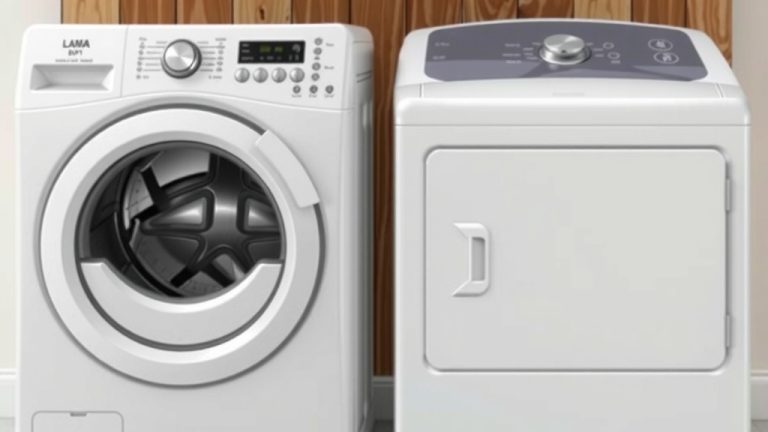
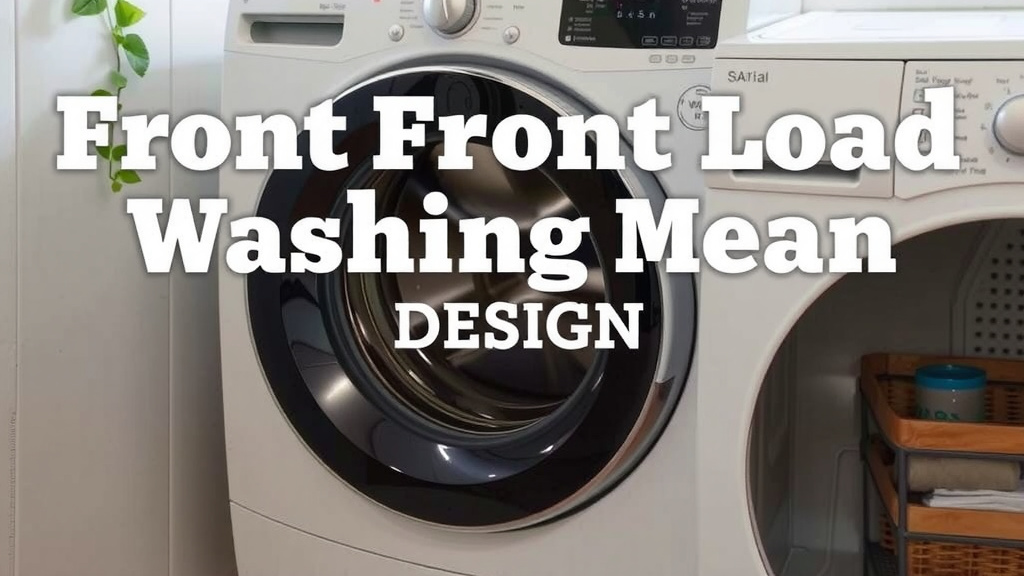
So, what exactly does “front load” mean when you’re shopping for a washing machine? It refers to a washer where you load your clothes through a door located on the front of the appliance. Think of it like a miniature dryer – you open the door on the face of the machine and put your laundry in horizontally. This is quite different from the traditional top-loading machines where the lid is on top.
The front-loading design has become incredibly popular, especially in newer, high-efficiency models. You’ll find they often boast sleek looks and advanced features. They work by tumbling clothes in and out of a drum, using gravity to help move the water and detergent through the fabrics.
The Mechanics Behind Front Load Washers
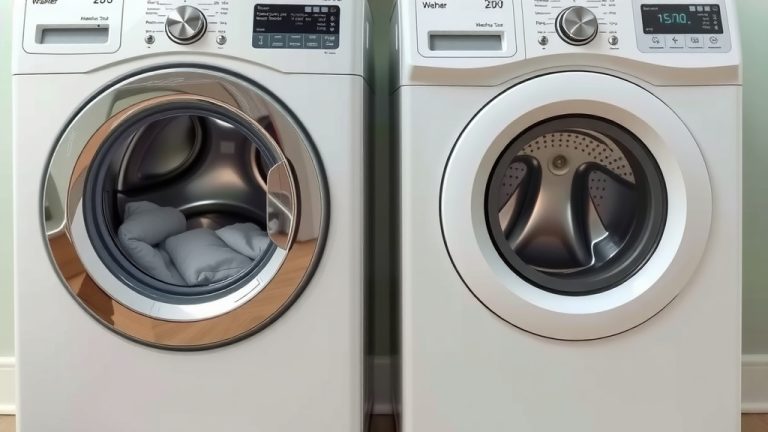
How do these front loaders actually get your clothes clean? It’s a combination of smart design and mechanical action. Unlike top-loaders that often use a central agitator or impeller to move clothes through water, front-loaders rely on the tumbling motion of the drum.
The drum, which is mounted horizontally, rotates. Your clothes are lifted by paddles inside the drum and then dropped back into the water. This creates friction between the garments, helping to loosen dirt and stains. It’s a gentler process than the vigorous churning some top-loaders employ.
Water and Energy Efficiency
One of the biggest advantages of front-loaders is their efficiency. They use significantly less water than traditional top-loaders. Why? Because the drum is only partially filled with water. The tumbling action ensures every item gets saturated repeatedly.
This reduced water usage translates directly into lower energy bills. Heating water is a major energy consumer in laundry. Less water means less water to heat, saving you money and helping the environment. Many sources confirm their eco-friendly nature (Energy Star).
Gentle on Your Clothes
Ever pulled a favorite shirt out of the wash only to find it stretched or snagged? Front-loaders are known for being much gentler on fabrics. The tumbling action causes less wear and tear compared to the agitator in many older top-loaders.
This means your clothes can last longer. You’re essentially giving your wardrobe a spa treatment with every wash. This benefit alone makes them a smart choice for delicate items or anything you want to keep looking its best.
Advantages of Choosing a Front Load Washer
Beyond the basic operation, front-load washers offer a host of benefits that appeal to modern homeowners. Let’s dive into what makes them stand out from the crowd.
Superior Cleaning Performance
Don’t let the gentle action fool you; front-loaders are also excellent cleaners. The combination of tumbling, gravity, and efficient water usage means detergent can penetrate fabrics more effectively. This often leads to better stain removal.
Many studies and consumer reports have highlighted their ability to tackle tough messes. The wash action is thorough without being overly aggressive. It’s a sweet spot that many people are looking for in their laundry appliance.
Higher Spin Speeds for Faster Drying
A key feature of front-load washers is their ability to spin at very high speeds. We’re talking 1,000 to 1,600 RPM (revolutions per minute) or even higher in some models. What does this mean for you?
It means more water is extracted from your clothes before they even hit the dryer. This can significantly cut down your drying time. Shorter drying cycles save energy and prevent clothes from sitting damp for too long, which can lead to mildew smells.
Stackable Design for Space Saving
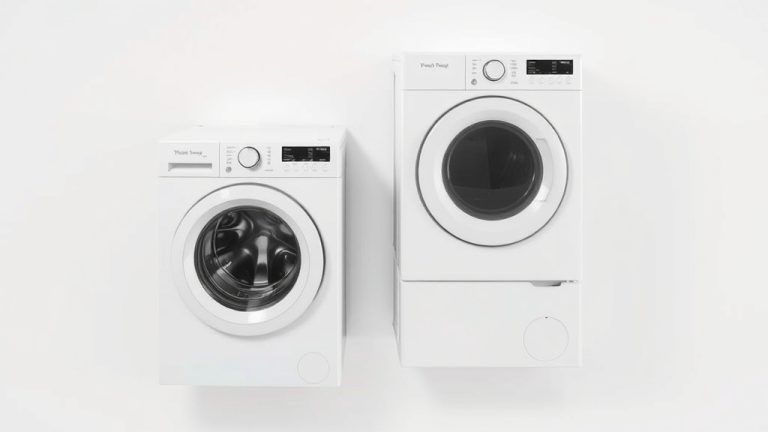
Another practical advantage is their stackability. Most front-load washers and dryers are designed to be stacked vertically. If you have a small laundry room or limited space, this is a huge benefit.
You can place the dryer on top of the washer with a special stacking kit. This effectively doubles your washing and drying capacity while only taking up the footprint of a single appliance. It’s a clever solution for maximizing space.
Less Noise and Vibration
While not always the case, many modern front-loaders are engineered for quieter operation. They often have advanced suspension systems to minimize vibrations. This can be a lifesaver if your laundry room is near living areas.
You might find your machine runs more smoothly and quietly than older models. Manufacturers invest a lot in reducing the noise associated with the spin cycle. This contributes to a more peaceful home environment.
Things to Consider with Front Load Washers
While front-loaders offer many compelling benefits, there are a few things you should be aware of. Understanding these points can help you make an informed decision and ensure you’re happy with your purchase.
Cycle Times Can Be Longer
Because they use less water and rely on tumbling action, some wash cycles can take longer than those on older top-loaders. This is especially true for eco or heavy-duty cycles. However, the improved cleaning and efficiency often make the wait worthwhile.
Many machines offer quick wash cycles for lightly soiled items. You can also choose cycles based on your needs. It’s about finding the right balance for your laundry routine.
Bending Down to Load and Unload
The most obvious difference is having to bend down to load and unload your clothes. If you have back issues or find bending difficult, this could be a consideration. However, as we mentioned, many people opt for pedestals.
Pedestals are bases you can install under the washer. They lift the machine higher, reducing the need to bend and also often providing extra storage space for laundry supplies. It’s a popular accessory for a reason!
Potential for Mold or Mildew Growth
Due to the airtight seal on the door, there’s a small risk of mold or mildew forming around the door gasket if not properly maintained. This can sometimes lead to odors. However, this is easily preventable.
The fix is simple: leave the door ajar after each use to allow moisture to escape. Running a cleaning cycle with a washing machine cleaner or vinegar every month also helps keep things fresh. We found that a quick wipe-down of the gasket is usually sufficient (Cleveland Clinic).
Higher Upfront Cost
Generally, front-load washers tend to have a higher purchase price than basic top-loading models. This is often due to their more advanced technology, durable construction, and higher efficiency ratings. However, it’s important to look at the long-term savings.
The water and energy savings over the lifespan of the machine can often offset the initial cost. Many people find the benefits in terms of cleaning performance, fabric care, and space-saving design outweigh the initial investment.
Checklist for Front Load Washer Considerations
- Are you comfortable bending down, or will you need a pedestal?
- Do you have space for a stackable unit if needed?
- What is your budget, considering long-term savings?
- Are you prepared for the simple maintenance to prevent odors?
- Do you need specific wash cycles for your typical laundry loads?
- How important are energy and water efficiency to you?
Conclusion
So, a front load washer simply means you load your laundry through the door on the front of the machine. We’ve seen how this design offers superior cleaning and efficiency. They are gentler on your clothes, often stackable for space-saving, and spin at higher speeds to reduce drying time. While they might have a higher initial cost and slightly longer cycles, the long-term savings and benefits are often well worth it. Your next step? Consider your laundry space and needs. Maybe research a few specific models that fit your budget and lifestyle. You’re now well-equipped to make an informed choice for your next washer!
Frequently Asked Questions
Are front load washers really more efficient?
Yes, research consistently shows front load washers use significantly less water and energy than traditional top-loaders. They only fill the drum partially with water, and the tumbling action ensures clothes get thoroughly saturated. This reduction in water usage leads to lower utility bills and a smaller environmental footprint.
Can I stack a front load washer and dryer?
Absolutely! A major advantage of front load washers is that they are designed to be stacked with a matching dryer. This is a fantastic space-saving solution for smaller homes or apartments. You’ll typically need a special stacking kit to secure them safely.
Do front load washers clean better than top loaders?
Many studies and consumer reports indicate that front load washers often provide superior cleaning performance. The tumbling action gently rubs clothes against each other, which helps to loosen dirt and stains effectively. Plus, they tend to be much gentler on fabrics, reducing wear and tear.
How do I prevent mold or mildew in a front load washer?
It’s simple maintenance! After each wash, leave the door slightly ajar to allow moisture to escape and the drum to air out. Wiping down the rubber door seal with a cloth is also a good habit. Running a monthly cleaning cycle with a washing machine cleaner or vinegar can keep things fresh and odor-free.
Are front load washers worth the extra cost?
While front load washers often have a higher upfront price tag, they can save you money in the long run. The water and energy savings can offset the initial investment over time. Plus, the gentler fabric care can extend the life of your clothes, and features like stackability and better cleaning performance add to their overall value.