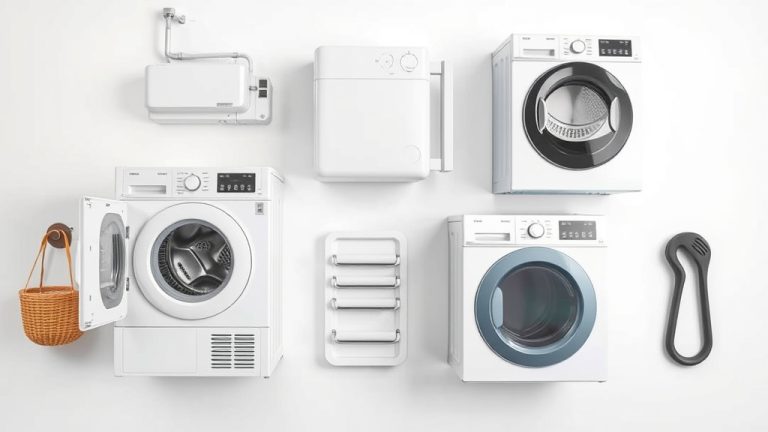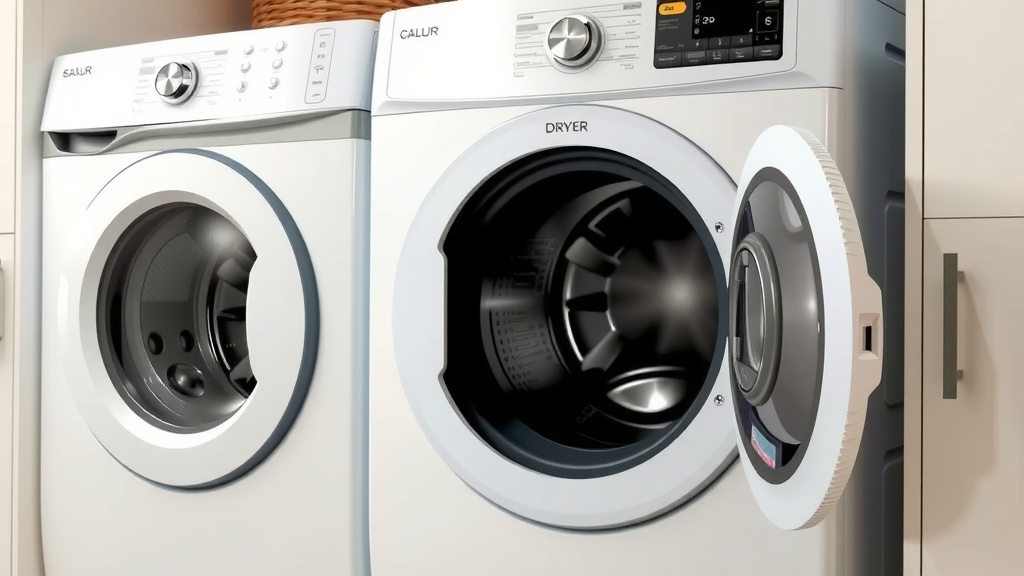
Washer Dryer Combo: What It Is and How It Works
A washer dryer combo is a single appliance that can both wash and dry your clothes. It’s like getting two machines in one convenient package. These units are a smart solution for saving space, especially in smaller homes or apartments.
They work by using a single drum to perform both cycles. You load your dirty laundry, select your wash cycle, and then, without moving anything, the machine switches to drying. This all-in-one functionality eliminates the need for separate machines, making laundry day a bit simpler.
TL;DR:
- A washer dryer combo washes and dries clothes in one machine.
- They are great for saving space in small living areas.
- You load clothes once for the entire wash and dry cycle.
- They offer convenience by combining two appliances.
- Many models are energy efficient.
Below, we break down exactly what a washer dryer combo is and how it can fit into your laundry routine. Let’s get your questions answered!
Understanding the Washer Dryer Combo Appliance
So, what exactly is a washer dryer combo? It’s a clever appliance that does the job of two machines in one. You load your clothes, and it washes them, then dries them without you lifting a finger. Think of it as a laundry superhero in a single unit.
How Does a Washer Dryer Combo Work?
These units use a single drum for both washing and drying. After the wash cycle finishes, the machine automatically transitions to the drying phase. It heats up and tumbles your clothes to remove moisture. This all-in-one operation is its main selling point.
The drying process typically uses condensation. This means it doesn’t require an external vent like traditional dryers. It cools the hot air from the drum, turning the moisture in your clothes into water. This collected water is then drained away. This makes them a great option for apartments or homes without existing dryer vents.
Key Features and Components
You’ll find many of the same settings as separate machines. Expect various wash cycles for different fabric types. There are also different drying heat levels. Some models even offer steam cycles for refreshing clothes or reducing wrinkles. You can usually set them to wash only, dry only, or a full wash-and-dry cycle.
Capacity Considerations
One important thing to consider is capacity. Washer dryer combos generally have smaller capacities than traditional machines. This means you might need to do smaller loads or multiple cycles for a big family’s laundry. Research the load size carefully before buying.
Cycle Times
A full wash-and-dry cycle can take longer than using separate machines. This is because the machine is doing both jobs in sequence. Some full cycles can last three to five hours. If you need a quick wash and dry, you might be better off with separate units. However, many modern combos offer quicker wash-only or dry-only options.
Benefits of Choosing a Combo Unit
The biggest win for most people is the space-saving aspect. They are perfect for small apartments, RVs, or even just a tight laundry nook. Imagine not needing to find space for two bulky machines!
Space Efficiency
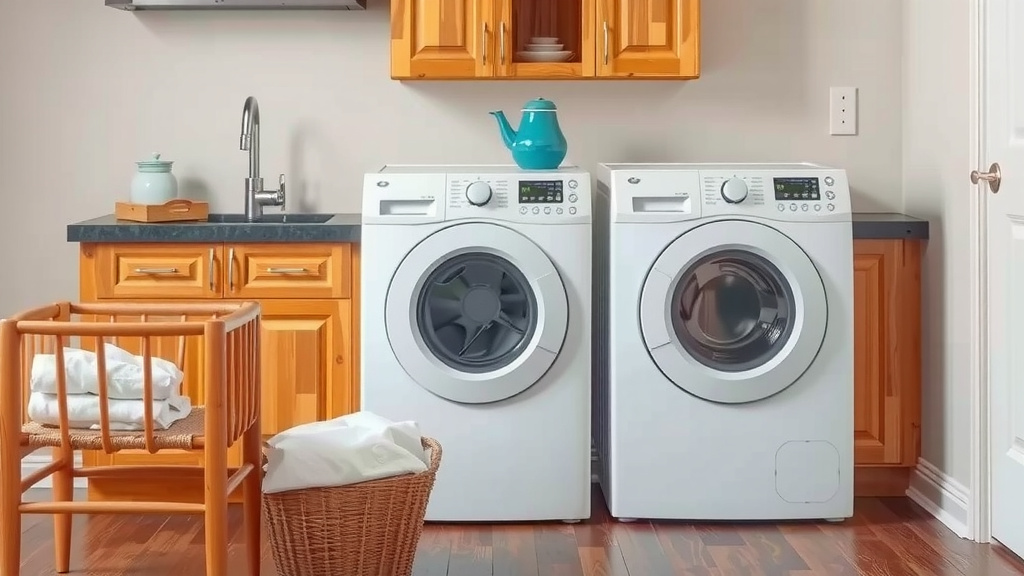
These units typically have a smaller footprint. They are often the same width as a standard washing machine but much shallower than a stacked pair. This allows you to reclaim valuable floor space. You can even install them under a counter in a kitchen or bathroom. This flexibility in placement is a major advantage for compact living.
Convenience and Simplicity
Laundry day becomes much simpler. You load the dirty clothes once and walk away. No more transferring wet clothes from the washer to the dryer. This convenience can save you time and effort, especially on busy days.
Think about it: no more forgetting wet clothes in the washer, leading to musty smells. The combo unit handles the entire process. This streamlined approach makes laundry less of a chore.
Energy and Water Savings
Many washer dryer combos are designed with efficiency in mind. They often use less water than older, standalone washing machines. They also tend to be more energy-efficient, especially when compared to using separate machines for washing and drying. We found that modern models often have ENERGY STAR certifications, indicating they meet strict energy efficiency guidelines set by the EPA.
When you use the full wash-and-dry cycle, the machine is often programmed to use the optimal amount of water and energy for the load size. This can lead to lower utility bills over time. It’s good for your wallet and for the environment!
Things to Consider Before Buying
While combos are fantastic, they aren’t perfect for everyone. It’s smart to weigh the pros and cons carefully. Let’s look at what you should keep in mind.
Capacity Limitations
As we mentioned, capacity is a big one. If you have a large family or a lot of bedding to wash, a combo might feel too small. You’ll be doing laundry more often. Consider your typical laundry volume. A general rule is that 1.5 to 2.0 cubic feet of capacity is good for singles or couples. Families might need 2.5 cubic feet or more.
Drying Time Differences
Drying in a combo unit can take longer than in a separate dryer. This is because they use less heat and tumble less vigorously to protect clothes and save energy. If you’re used to very fast drying times, this might be an adjustment. Some models offer “quick dry” options, but these may be best for smaller items.
| Feature | Washer Dryer Combo | Separate Washer & Dryer |
|---|---|---|
| Space Needed | Minimal; one unit footprint | Larger; two units or stacked |
| Convenience | High; load once for wash & dry | Moderate; transfer clothes |
| Drying Speed | Slower; full cycles can be long | Faster; dedicated drying |
| Capacity | Generally smaller | Generally larger |
| Installation | Simpler; often no vent needed | May require vent, special hookups |
| Cost | Can be higher upfront for a combo | Variable; depends on models |
Installation and Maintenance
Installation is usually straightforward, often just needing a water hookup and a standard electrical outlet. The lack of a dryer vent is a huge plus for apartment dwellers. However, just like any appliance, they require regular cleaning and maintenance. You’ll need to clean the detergent dispenser and the rubber door seal. Periodically, you should also run a cleaning cycle to prevent odors.
Check your model’s manual for specific cleaning instructions. Many experts recommend running a tub clean cycle monthly. This helps keep your combo running smoothly and your clothes smelling fresh.
What to Look For When Buying: A Quick Checklist
- Capacity: Match it to your household size.
- Energy Efficiency: Look for ENERGY STAR ratings.
- Drying Technology: Condenser dryers are common and ventless.
- Cycle Options: Ensure it has the wash and dry programs you need.
- Dimensions: Measure your space carefully before buying.
- Noise Level: Some combos can be louder than others.
Conclusion
You’ve learned that a washer dryer combo is a smart, space-saving solution for your laundry needs. These all-in-one machines simplify your routine by washing and drying clothes in a single drum. While they offer incredible convenience and can be energy efficient, it’s important to consider their capacity and longer cycle times.
Now that you understand how they work and what to expect, you can decide if a combo unit is the right fit for your home and lifestyle. If you’re ready to reclaim space and streamline laundry day, researching specific models based on your needs is your next best step.
Frequently Asked Questions
Are washer dryer combos noisy?
Noise levels can vary by model. Some newer units are designed to be quieter. We found that checking reviews for specific models can give you a good idea of their typical operating sound. You might consider models with vibration reduction technology if noise is a major concern.
Do washer dryer combos use a lot of water?
Many modern washer dryer combos are designed for water efficiency. They often use less water than older, standalone washing machines. The full wash-and-dry cycle is typically optimized to use the right amount of water for the load size, which can save water and energy.
How long does a full wash and dry cycle typically take?
A complete wash and dry cycle can take longer than using separate machines, often ranging from three to five hours. This is because the machine performs both functions sequentially. If you need clothes dried quickly, a wash-only or dry-only cycle might be more suitable for smaller items or less intensive needs.
Can I wash and dry different load sizes in a combo unit?
Yes, you can. However, it’s important to remember that combos generally have smaller capacities than traditional washers and dryers. For best results and efficient drying, it’s recommended to stick to smaller loads, especially for the drying phase. Overloading can significantly increase drying time and reduce effectiveness.
Do I need a special outlet or vent for a washer dryer combo?
Most washer dryer combos only require a standard electrical outlet and water hookups, similar to a washing machine. A major benefit is that they typically do not require a dryer vent, as they use a condensation drying method. This makes them ideal for apartments or homes without existing dryer vent installations.