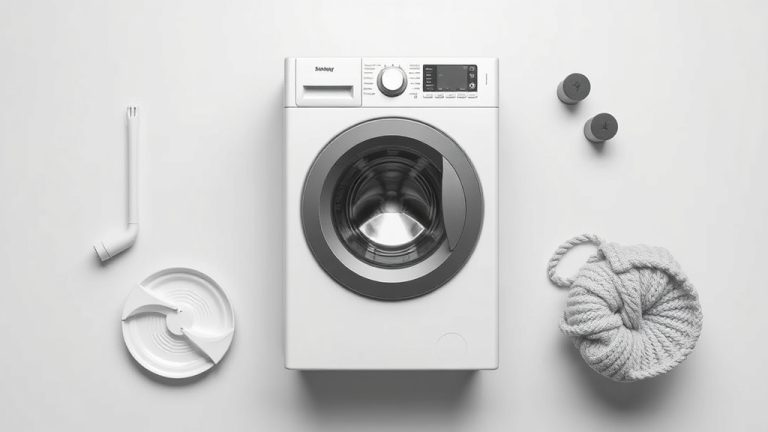
How to Clean Your Front Loader Washing Machine Easily
The easiest way to clean your front-loader washing machine is to run a hot water cycle with a washing machine cleaner or a DIY solution like vinegar and baking soda. This helps remove soap scum and mildew that can build up over time. Regular cleaning prevents odors and keeps your machine running efficiently.
A dirty washing machine can leave your clothes smelling musty. This isn’t ideal! We found that preventing buildup is key. Keeping the door seal clean and the detergent drawer dry are simple steps that make a big difference. Cleaning your front-loader regularly ensures fresher laundry for your whole family.
- Clean your front-loader with a hot cycle.
- Use cleaner, vinegar, or baking soda.
- Wipe down the door seal regularly.
- Dry the drum and door after use.
- Clean the detergent drawer often.
Let’s walk through exactly how to get your front-loader sparkling clean, step by step. You’ll be enjoying fresh-smelling laundry in no time!
Keeping Your Front-Load Washer Sparkling Clean
Your front-load washing machine works hard for you. But over time, things like soap scum, mineral deposits, and mildew can build up inside. This can lead to less-than-fresh-smelling clothes and even affect your machine’s performance. We found that a little regular maintenance goes a long way in keeping your front-loader running smoothly and your laundry smelling wonderful.
The Essential Cleaning Routine for Front-Loaders
Think of cleaning your washing machine like cleaning your car. It needs a good wash now and then to stay in top shape. For front-loaders, a hot water cycle is your best friend. This helps tackle those tough buildup issues.
Choosing Your Cleaning Agent
You have a few great options for cleaning your machine. You can use a commercial washing machine cleaner. These are formulated to break down grime effectively. Or, you can go the DIY route with common household items. Many people find success with vinegar and baking soda.
Using Commercial Washing Machine Cleaners
These products are designed to be powerful. They often come in tablets or liquid form. Always follow the instructions on the product packaging carefully. Typically, you’ll add the cleaner directly to the drum or the detergent dispenser. Then, you run a hot water cycle.
DIY Cleaning with Vinegar and Baking Soda
Vinegar is a natural disinfectant and deodorizer. Baking soda helps scrub away residue. For a simple cleaning cycle, add about two cups of white vinegar directly into the detergent drawer. Then, run the machine on its hottest, longest cycle. After this, sprinkle about half a cup of baking soda into the drum. Run another hot cycle. This two-step process can be very effective.
Don’t Forget the Door Seal
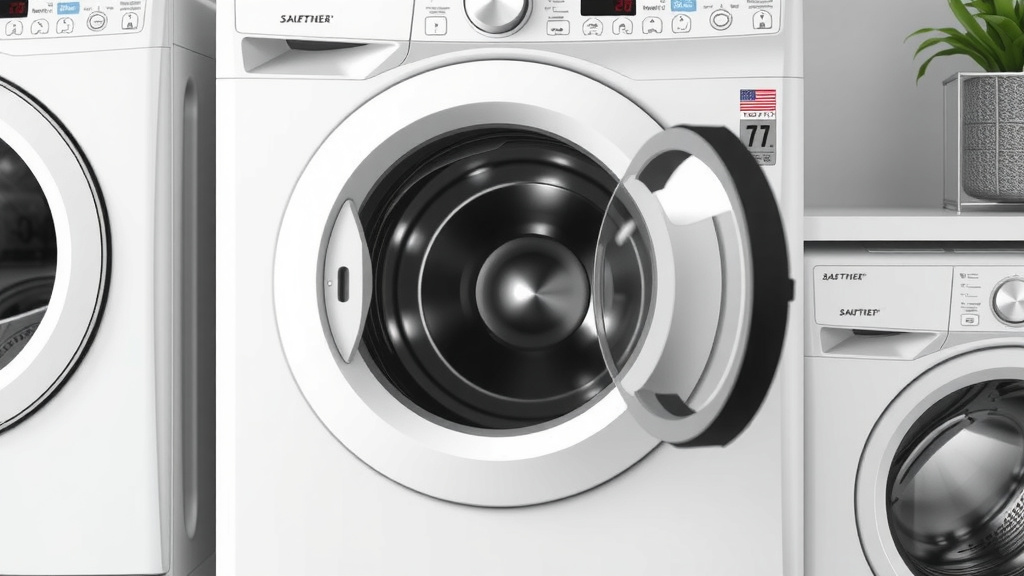
This is a common culprit for odors. The rubber seal around the door can trap moisture. This creates a perfect environment for mold and mildew. It’s important to wipe this down regularly.
Wiping Down the Seal
After each wash, take a clean cloth and wipe away any excess moisture from the door seal. You can use a mild cleaner or a diluted bleach solution (about 1 part bleach to 10 parts water) for a deeper clean if you see any mildew forming. Just be sure to rinse the seal thoroughly with plain water afterward. Many cleaning guides suggest this step is key for odor prevention (Cleveland Clinic).
Checking for Trapped Items
While you’re there, check the folds of the seal for any stray socks or small items. These can also trap moisture and contribute to odors.
Tackling the Detergent Dispenser
Residue from detergent and fabric softener can build up in the dispenser drawer. This can clog the compartments and even lead to mold growth. This drawer is often removable, making it easier to clean.
Removing and Cleaning the Drawer
Check your machine’s manual to see if your dispenser drawer can be removed. If it can, take it out and wash it in your sink with warm, soapy water. Use an old toothbrush to scrub away any stubborn residue. Rinse it thoroughly and let it dry completely before putting it back. If the drawer isn’t removable, use a damp cloth or an old toothbrush to clean it as best you can. Many experts recommend cleaning this area monthly.
The Importance of Airflow
After you finish a load of laundry, it’s best to leave the door ajar. This allows air to circulate inside the drum. Keeping the door open prevents moisture from getting trapped. This is a simple habit that significantly reduces the chances of mold and mildew developing.
Drying the Drum and Door
For an extra step, you can wipe down the inside of the drum and the door with a dry cloth after each wash. This helps ensure no moisture is left behind. It might seem like a small thing, but it really makes a difference in keeping things fresh.
Deep Cleaning vs. Regular Maintenance
Think of deep cleaning as a more thorough spa treatment for your machine. Regular maintenance is like your daily skincare routine. Both are important for your machine’s health and your laundry’s freshness.
Frequency of Cleaning
How often should you clean your front-loader? For daily use, wiping the seal and leaving the door open is key. A deep clean using a hot cycle with a cleaner should happen about once a month. If you notice any musty smells, it’s time for a clean sooner rather than later. Research suggests that consistent cleaning prevents odors from becoming deeply embedded (CDC).
What to Do If Odors Persist
If you’ve cleaned your machine and still detect odors, check the drain pump filter. This is often located at the bottom front of the machine behind a small panel. It can trap lint, coins, and other debris. Consult your machine’s manual for specific instructions on how to safely access and clean it. Many appliance repair guides highlight this as a common source of persistent smells.
Your Front-Load Washer Cleaning Checklist
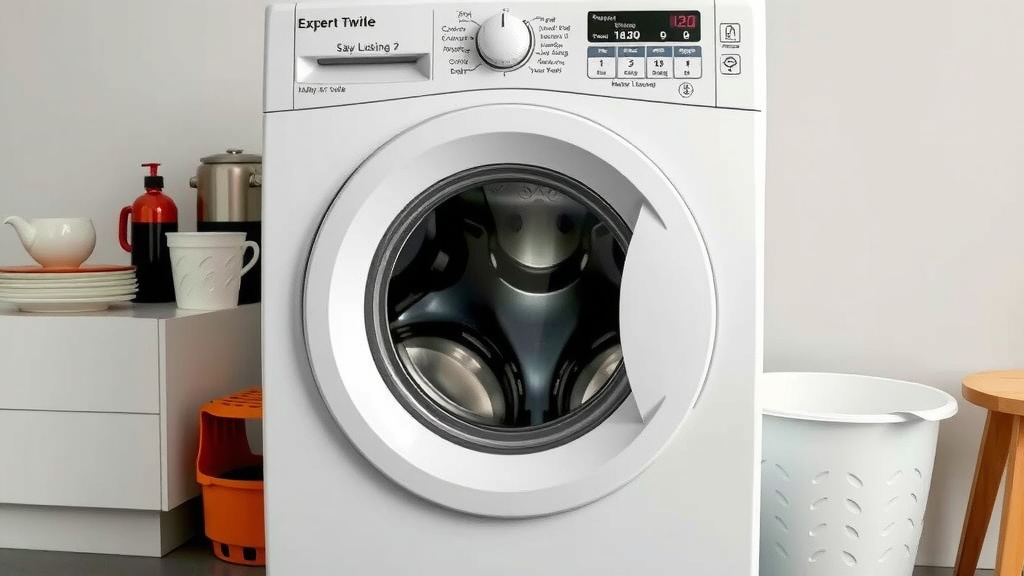
Here’s a quick rundown to help you stay on top of it:
- Wipe down the door seal after each use.
- Leave the washer door open after laundry.
- Clean the detergent dispenser monthly.
- Run a hot water cleaning cycle monthly.
- Use vinegar or a commercial cleaner for deep cleans.
- Check and clean the drain pump filter if odors persist.
Conclusion
Keeping your front-load washing machine clean is simpler than you might think. By incorporating a few easy habits into your routine, you can banish musty odors and ensure your clothes come out truly fresh. Remember to regularly wipe down the door seal, leave the door ajar for airflow, and run a monthly hot water cleaning cycle. Don’t forget the detergent drawer and the drain pump filter if persistent smells arise. Make these steps a habit, and you’ll enjoy a healthier, more efficient machine and brilliantly clean laundry every time. Your next step? Grab a cloth and wipe down that door seal right after you finish reading this!
Frequently Asked Questions
How often should I run a hot water cleaning cycle for my front-loader?
We recommend running a hot water cleaning cycle about once a month. If you notice any musty smells or your laundry isn’t smelling as fresh as it should, it’s a good idea to run a cleaning cycle sooner. Consistent monthly cleaning is key to preventing buildup.
Can I use bleach to clean my front-load washer?
Yes, you can use bleach, especially for cleaning the rubber door seal. A diluted bleach solution (about 1 part bleach to 10 parts water) can help tackle mildew. Always rinse the seal thoroughly with plain water afterward. For the main drum, commercial cleaners or vinegar and baking soda are often preferred for regular deep cleans.
What if my washing machine still smells after cleaning?
If odors persist after a thorough cleaning, check your machine’s drain pump filter. This is typically located at the bottom front behind a small panel. It can trap lint, coins, and other debris that cause smells. Consult your manual for specific cleaning instructions.
Is it okay to use regular detergent for a cleaning cycle?
No, you should not use regular laundry detergent for a cleaning cycle. Detergent is designed to create suds and can leave residue. Instead, use a dedicated washing machine cleaner, white vinegar, or baking soda. These are specifically formulated to clean the machine itself without adding extra buildup.
Why is leaving the door open after a wash so important?
Leaving the door ajar allows air to circulate inside the drum and the seal. This is crucial for drying out any residual moisture. Trapped moisture is the primary cause of mold and mildew growth, which leads to those unpleasant musty odors in your washing machine and on your clothes.