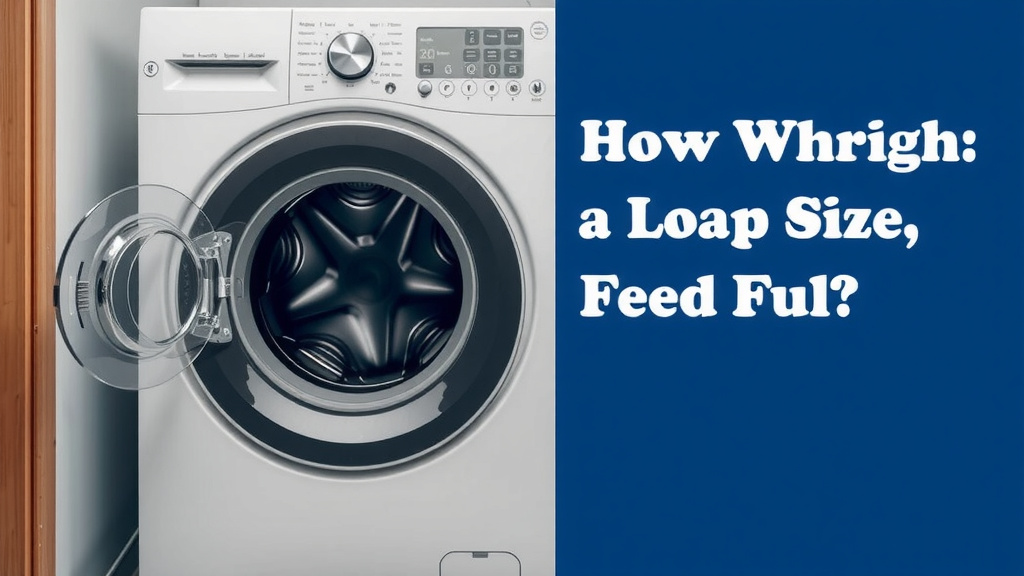
Front Load Washer Load Size: How Full Is Too Full?
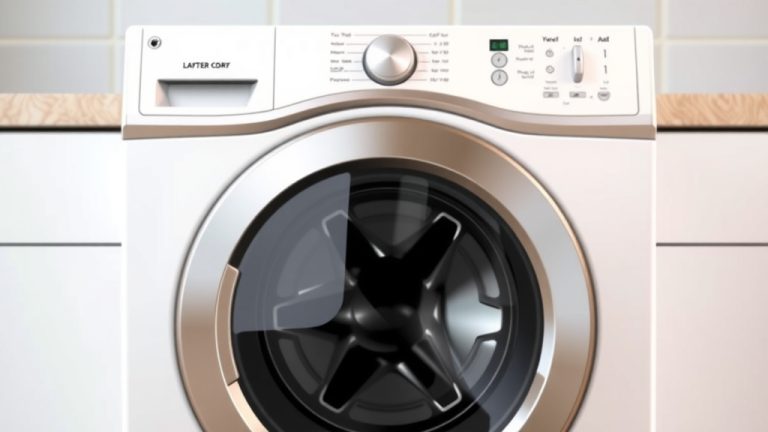
You should load your front-load washer so the clothes are loose and airy, not packed down. Aim for about 80% full, allowing space for items to tumble freely. This ensures proper cleaning and rinsing, preventing damage to your clothes and machine. Don’t overstuff your washer for the best results.
Many people wonder about the perfect load size for their washing machine. Overfilling can lead to clothes not getting clean. Underfilling means wasted water and energy. Finding that sweet spot is key. We found that a moderately full load is generally recommended by manufacturers.
- Load clothes loosely, not tightly packed.
- Aim for about 80% capacity.
- Allow items to tumble freely.
- Avoid overstuffing for better cleaning.
- Consider your machine’s manual for specifics.
Let’s walk through exactly how to achieve that ideal load size for your front-load washer. We’ll cover what to look for and why it matters.
Achieving the Ideal Load Size for Your Front-Load Washer
You want your clothes to come out clean and fresh, right? Loading your front-load washer correctly is the first step to achieving that. It’s not about cramming as much as you can into the drum. It’s about giving your clothes the space they need to move and get thoroughly washed.
Think of your washer like a giant washing machine for your clothes. If you put too many clothes in, they won’t have enough room to swirl around. This means the water and detergent can’t reach every part of the fabric. We found that a loosely packed load is generally recommended by washing machine manufacturers.
The “80% Full” Rule of Thumb
A good guideline is to load your washer until it’s about 80% full. This leaves enough room for your clothes to tumble freely. You should be able to easily fit your hand on top of the clothes. If you have to push down to get them in, it’s likely too full. This allows water and detergent to circulate properly, ensuring a deeper clean.
Imagine trying to do jumping jacks in a tiny closet. It’s not going to be very effective, is it? Your clothes need that space to move and get scrubbed clean. Many washing machine manuals suggest this 80% rule for optimal performance.
Visual Cues for the Perfect Load
How can you tell if your load is just right? Here are a few simple visual cues to guide you.
The Hand Test
This is a super easy way to check your load size. After you’ve added your clothes, try placing your hand flat on top of the laundry pile. If you can comfortably place your hand there with some space above it, you’re probably good to go. If your hand barely fits or you have to press down, remove some items.
Seeing the Drum Space
When you look into the drum, you should still be able to see some of the drum’s sides above the clothes. If the clothes are piled so high that you can’t see the sides anymore, your load is too big. You want to see a bit of open space. This open space is essential for proper water circulation.
Why Proper Loading Matters So Much
Loading your front-load washer correctly isn’t just about getting clean clothes. It impacts your machine and your laundry’s lifespan, too.
Better Cleaning Performance
When clothes can move freely, the water and detergent can reach all surfaces. This means stains are more likely to be lifted. Soil is better suspended in the wash water. Your clothes will come out noticeably cleaner. We found that studies show proper agitation is key to effective stain removal (National Sanitation Foundation).
Preventing Damage to Clothes
Overloaded machines can cause clothes to rub against each other too aggressively. This can lead to premature wear and tear. You might see pilling or stretching sooner than you expect. Proper loading helps keep your garments looking newer for longer. This saves you money on replacements.
Protecting Your Washing Machine
A struggling washing machine is an unhappy washing machine. Overloading puts a strain on the motor and other components. This can lead to premature wear and costly repairs. A properly loaded machine runs more efficiently. It also experiences less stress on its internal parts. Experts suggest avoiding overloading to prolong the life of your appliance (Consumer Reports).
Ensuring Proper Rinsing
Just as important as washing is rinsing. If your clothes are packed too tightly, detergent can get trapped. This can leave residue on your clothes. It might feel stiff or look dull. Proper load size ensures that all detergent is flushed away during the rinse cycle.
What Happens When You Overstuff?
Packing your front-load washer too full is a common mistake. It can lead to a cascade of issues. Your clothes might still feel damp after a full cycle. This is because the water can’t easily drain out. The excess water gets trapped. It also means the detergent isn’t being rinsed away effectively.
Beyond cleaning and rinsing problems, overstuffing can make your machine work harder. The motor has to fight against the weight and density of the load. This extra strain can shorten the lifespan of your washer. It’s like trying to run a marathon after eating a huge meal; your body just can’t perform its best.
The Case for Underloading (and Why It’s Not Ideal Either)
On the flip side, a load that is too small isn’t ideal either. While your clothes will likely get clean, you’re wasting resources. Running a washing machine with just a few items means you’re using water and energy unnecessarily. Most washing machines are designed to operate most efficiently with a moderate load size.
Consider the water level. In some machines, the water level is sensors. It adjusts based on the load size. But with a very small load, you might still be using as much water as a medium load. This is not efficient. It’s best to save up your laundry for a full, but not overstuffed, load.
Different Fabrics, Different Needs?
While the 80% rule is a good starting point, sometimes fabric types can influence how you load.
Bulky Items
For large, bulky items like comforters or heavy towels, you might need to wash them alone or with just a couple of other items. These items take up a lot of space. They also absorb a lot of water. Trying to wash a comforter with a full load of t-shirts is generally not recommended. It won’t get clean and could unbalance the machine.
Delicates
Delicate items, like lingerie or fine knits, benefit from even more space. When washing delicates, consider washing them in a mesh bag. This adds an extra layer of protection. Ensure the load isn’t too crowded so these items don’t get stretched or snagged.
A Quick Checklist for Ideal Loading
Ready to load your washer like a pro? Keep this quick checklist handy:
- Check the drum: Can you see some of the sides?
- The hand test: Does your hand fit comfortably on top?
- Loose and airy: Are items piled loosely, not packed down?
- No forcing: Did you have to push clothes in?
- Consider bulk: Are bulky items washed separately?
- Even distribution: Are clothes spread out, not clumped?
When in Doubt, Consult Your Manual
Every washing machine is a bit different. Your owner’s manual is your best friend for specific recommendations. Manufacturers often provide detailed guidance on load sizes. They might also offer advice for different types of fabrics or cycles. Checking your manual can help you get the most out of your appliance.
Conclusion
You’ve learned that the secret to a spotless wash and a healthy machine is all about balance. Loading your front-load washer to about 80% capacity, ensuring clothes are loose and airy, is your golden rule. This allows for proper water circulation, effective cleaning, and thorough rinsing. Avoid overstuffing to protect your clothes and your washer from unnecessary wear and tear. By following the simple visual cues and the hand test, you’re well on your way to laundry perfection. For your next load, aim for that ideal, breathable fill and enjoy cleaner clothes with less hassle.
Frequently Asked Questions
What’s the biggest mistake people make when loading a front-load washer?
The most common mistake is overstuffing the drum. Many people try to fit too much laundry in, believing they’re saving time or water. This prevents clothes from moving freely, hindering effective cleaning and rinsing, and can strain your machine’s motor.
Can I wash a single heavy item like a blanket in my front-load washer?
Generally, it’s best to wash bulky items like blankets or comforters separately. These items absorb a lot of water and take up significant space. Washing them alone or with only one or two other small items ensures they get properly cleaned and the machine stays balanced.
How do I know if my load is too small for a front-load washer?
If your load is too small, you’ll likely notice you’re using more water and energy than necessary. The machine may not operate as efficiently as it would with a moderate load. It’s better to save laundry for a fuller, yet not overstuffed, load to maximize resource efficiency.
Does the type of detergent matter for load size in a front-load washer?
While the type of detergent doesn’t directly dictate load size, ensuring proper rinsing is key. If you overstuff, detergent can get trapped. Using the correct amount of HE detergent and achieving the 80% full guideline helps prevent residue buildup on your clothes.
Will my front-load washer tell me if the load is too heavy?
Many modern front-load washers have sensors that can detect an unbalanced or overloaded drum. They might stop the cycle or alert you with an error message. However, relying on these alerts means you’ve already potentially put stress on the machine. Visual checks are your best first defense against overloading.