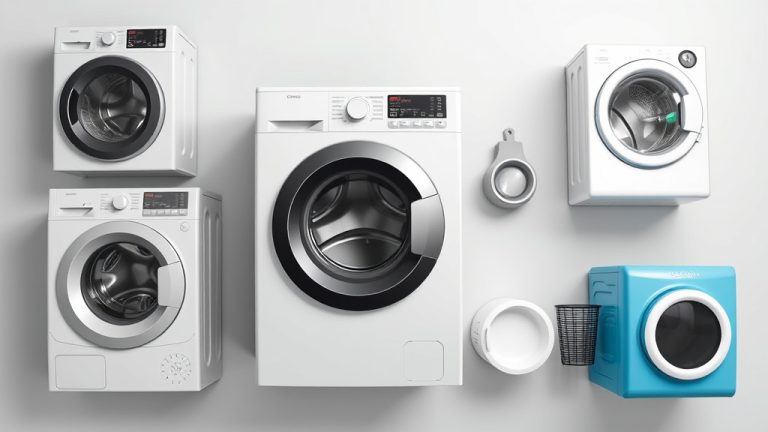
How High-Efficiency Top Load Washers Work
High-efficiency top-load washers work by using less water and a more vigorous wash action to clean your clothes effectively. Instead of relying on a deep tub of water, they often have an agitator or impeller that moves clothes through a smaller water volume, creating friction for a better clean. This water-saving design is key to their efficiency.
You might be wondering how this differs from older models. Many HE top-loaders are designed to mimic the cleaning action of a front-load machine, but with the convenience of a top-load design. They use smart sensors to detect load size and adjust water levels automatically, ensuring you don’t waste water or energy. This thoughtful engineering helps reduce utility bills over time.
- HE top-loaders use less water.
- They have a more active wash system.
- Sensors help manage water usage automatically.
- This saves on utility costs.
Let’s dive into the specifics of how these modern machines get your laundry done so efficiently.
Understanding Your HE Top-Load Washer’s Mechanics
High-efficiency (HE) top-load washers represent a smart upgrade for your laundry routine. They’re designed to clean clothes effectively while using considerably less water than older models. You might be curious about the technology that makes this possible. It all comes down to a few key design principles and components working together.
The Shift from Traditional Washing
Older top-load washers often relied on a large tub filled almost entirely with water. Your clothes would then float around, needing that deep water volume to move and get clean. This method, while familiar, was a major water consumer. HE models took a different approach, focusing on smarter water use and more active cleaning.
Less Water, More Action
Instead of filling the entire tub, HE top-loaders use sensors to determine the optimal water level for the load size. This means you’re not wasting water heating and agitating an empty space. The real magic happens with how they move the clothes. You’ll notice a much more vigorous wash action compared to your old machine.
Agitators vs. Impellers: The Cleaning Mechanism
There are two main types of wash action systems you’ll find in HE top-loaders. Each one uses a different method to create friction and clean your clothes. Understanding these can help you appreciate your washer’s capabilities.
The Agitator: A Familiar Force
Some HE top-loaders still feature a central post, known as an agitator. This is the tall, finned column you likely remember from older machines. In HE models, however, the agitator is often designed differently. It might be slimmer or have redesigned fins. Its job is to twist and turn, rubbing against clothes to create friction. This action helps lift dirt and stains.
The Impeller: A Gentler, Smarter Approach
Many newer HE top-loaders use an impeller. This is a low-profile cone or disc at the bottom of the wash basket. It spins, creating currents and turbulence in the water. These currents toss clothes around, forcing them to rub against each other. Many users find this method to be gentler on fabrics, reducing wear and tear.
Smart Sensors and Water Management
A big part of what makes these washers “high-efficiency” is their ability to sense and adapt. They don’t just guess how much water to use. They actively measure your laundry load.
Load Sensing Technology
When you start a wash cycle, internal sensors weigh the clothes or detect their bulk. The washer then uses this information to fill the tub with the precise amount of water needed for that specific load. This intelligent water management is a cornerstone of their efficiency. It prevents unnecessary water usage, which in turn saves on your water and heating bills.
Water Level vs. Wash Performance
It might seem counterintuitive that less water can lead to cleaner clothes. However, the more active wash systems, like impellers or redesigned agitators, create concentrated friction. This concentrated action can be more effective at removing dirt than clothes sloshing loosely in a deep pool of water. Many studies on washing machine efficiency highlight this shift in design strategy.
The Spin Cycle: Removing Excess Water
Just like any washing machine, HE top-loaders have a powerful spin cycle. This stage is critical for removing as much water as possible from your clothes before they go into the dryer. The faster the spin speed, the more water is extracted.
High-Speed Extraction
HE top-loaders often feature higher spin speeds than older models. This means your clothes come out of the washer noticeably less damp. This reduces drying time, which is another way these machines save energy and money. A quicker dry cycle means less time your dryer is running, lowering your electricity or gas bill.
Understanding HE Detergents
To get the most out of your HE top-load washer, it’s important to use the right detergent. HE machines require HE-specific detergents. These are formulated to produce fewer suds.
Low-Suds Formulation
Traditional detergents create a lot of foam. In a low-water environment, excessive suds can actually hinder the cleaning process. They can cushion the clothes, reducing the friction needed for cleaning. They can also leave residue on your clothes and inside the machine. HE detergents are designed to work efficiently with less water and produce a controlled amount of suds. Always look for the “HE” symbol on the detergent packaging.
Key Features to Look For
When you’re considering an HE top-load washer, a few features stand out for their contribution to efficiency and performance. Thinking about these can help you make an informed choice.
- Load Sensing: Ensures the perfect water level every time.
- Wash Action Type: Decide between an agitator or impeller based on your preference for fabric care.
- Spin Speed: Higher RPMs mean less moisture left in clothes.
- Cycle Options: Look for specialized cycles like “Quick Wash” or “Delicates” for tailored cleaning.
- Energy Star Certification: This indicates the appliance meets strict energy efficiency guidelines set by the EPA.
Putting It All Together: Your Efficient Laundry Day
So, how does it all work for you? You toss in your clothes, add the correct HE detergent, select a cycle, and the washer takes over. Its sensors detect the load size. The chosen wash action (agitator or impeller) gets to work with minimal water. Finally, a high-speed spin extracts most of the water. You’re left with cleaner clothes that are ready for a quicker drying cycle. It’s a smart system designed to be effective and economical.
Quick Checklist for HE Top-Loader Success
Here’s a quick rundown to ensure you’re using your HE top-load washer like a pro:
- Always use HE-specific detergent.
- Don’t overfill the machine; leave room for clothes to move.
- Select the appropriate wash cycle for your fabrics.
- Check the load size setting if your machine has manual options.
- Clean the washer’s filter or dispenser periodically.
- Ensure your clothes are properly balanced before the spin cycle.
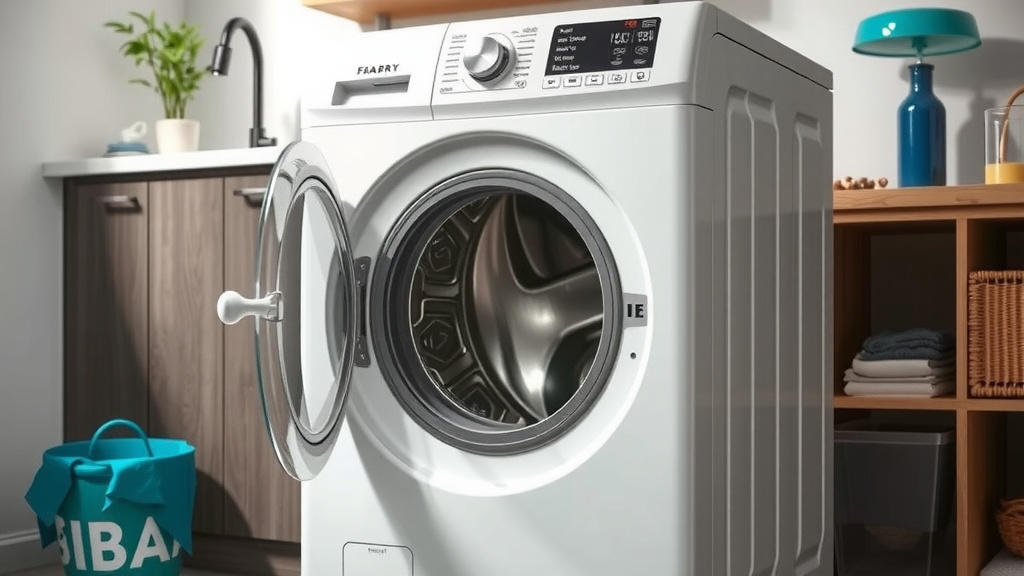
Conclusion
You’ve now learned how your high-efficiency top-load washer delivers a powerful clean using less water and energy. It achieves this through smart load sensing, active wash systems like impellers or updated agitators, and high-speed spins. Remember, using the correct HE detergent is vital for optimal performance and to prevent suds issues. By understanding these mechanics, you can ensure your laundry routine is both effective and economical. Make sure to look for the HE symbol on your detergent next time you shop, and you’ll be well on your way to efficient laundry days!
Frequently Asked Questions
Will my HE top-load washer still get my clothes clean with less water?
Yes, absolutely. HE top-loaders use sensors to detect your load size and adjust water levels precisely. The wash action, whether from an impeller or a redesigned agitator, creates more friction and turbulence, which is highly effective at removing dirt even with less water.
Can I use regular laundry detergent in my HE top-load washer?
No, it’s best to avoid regular detergent. HE machines are designed for low-suds formulations. Regular detergents can create too much foam in the reduced water environment, hindering the cleaning process and potentially leaving residue on your clothes and inside the machine.
What’s the difference between an agitator and an impeller in an HE top-loader?
An agitator is typically a central post that twists and turns, rubbing against clothes. An impeller is a low-profile disc or cone at the bottom of the tub that spins to create water currents, tossing clothes and causing them to rub against each other. Many find impellers to be gentler on fabrics.
How do the sensors work to save water?
When you start a cycle, internal sensors weigh your laundry or measure its bulk. The washer uses this data to determine the exact amount of water needed for that specific load. This prevents the machine from filling the entire tub unnecessarily, directly saving water.
Why do my HE washer’s clothes seem less wet after the spin cycle?
This is a good thing! HE top-load washers often feature higher spin speeds than older models. This faster spinning extracts more water from your clothes. As a result, your laundry goes into the dryer less damp, which can significantly reduce drying time and save energy.