How Your Front Loader Washing Machine Works Explained
A front loader washing machine works by using a horizontal drum that tumbles clothes through a small amount of water. This tumbling action, combined with a detergent, effectively cleans your laundry by rubbing fabrics against each other. It’s a gentle yet powerful cleaning method.
Unlike traditional top-loaders with an agitator, front loaders rely on gravity and the drum’s rotation. This design allows for better water efficiency and gentler fabric care. Many people find them to be more thorough and less prone to stretching clothes.
- Front loaders tumble clothes in a horizontal drum.
- Gravity and rotation provide the cleaning action.
- They use less water and are gentler on fabrics.
- This method is efficient and thorough.
Let’s walk through exactly how your front-loading washing machine gets those clothes sparkling clean, step by step.
How Your Front Loader Gets Clothes Spotless
You’ve probably seen them in stores or perhaps you already have one humming away in your laundry room. But have you ever stopped to wonder about the inner workings of a front-loading washing machine? It’s a clever piece of engineering that makes laundry day a whole lot easier and, dare we say, even a little bit satisfying. We’re going to break down exactly what’s happening inside that sleek machine to get your clothes looking and smelling their best.
The Core Components: What Makes It Go?
At its heart, a front loader is all about a tumbling action. Unlike older top-loaders that might agitate your clothes with a central post, front loaders use gravity and the drum’s rotation to do the heavy lifting. This means less wear and tear on your garments and often, a more thorough clean.
The Drum: Your Laundry’s Dance Floor
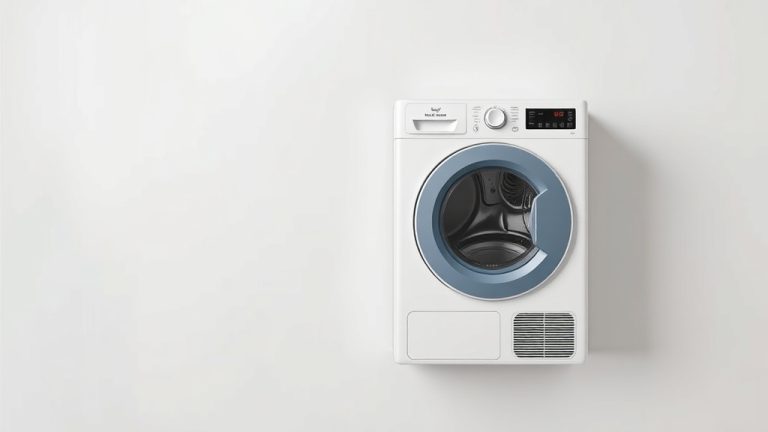
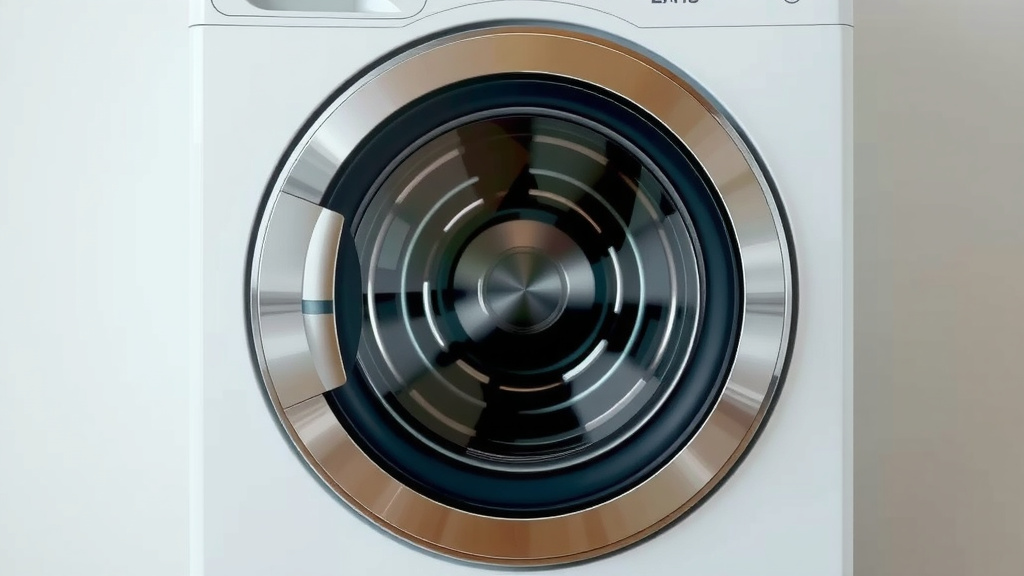
The main event happens inside the stainless steel drum. You’ll notice it has little holes, which are vital for draining water. The drum doesn’t just sit there; it’s mounted horizontally. This orientation is key to the machine’s operation. When the drum spins, clothes are lifted up and then tumble back down into the water. Think of it like a gentle, continuous rinse cycle happening over and over.
The Motor: The Driving Force
Underneath and behind the drum, a powerful motor controls the spinning. This motor is designed to rotate the drum in various ways: slowly for soaking, faster for tumbling, and incredibly fast for spinning out water. Some modern machines use direct-drive motors, which are more efficient and have fewer moving parts. We found that this often translates to quieter operation.
The Water Pump: Getting Water In and Out
A water pump is essential for both filling and draining the machine. When it’s time for water, the pump draws it from your home’s supply and sends it into the drum. After the wash or rinse cycle, the pump reverses direction to remove the dirty water. This system ensures efficient water management.
The Water Heater (Sometimes): For a Deeper Clean
Some front loaders have a built-in water heater. This allows them to reach higher temperatures, which is excellent for sanitizing and tackling tough stains. Many guidelines suggest using hotter water for things like bedding and towels to kill more germs (CDC). If your machine doesn’t have a built-in heater, it relies on your home’s hot water supply.
The Wash Cycle: A Step-by-Step Journey
Let’s follow a typical load of laundry through the cycle. It’s a well-orchestrated process designed for optimal cleaning.
Loading and Adding Detergent
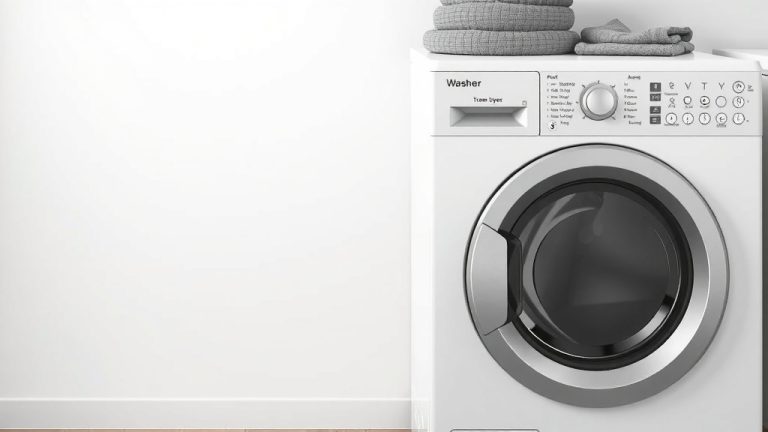
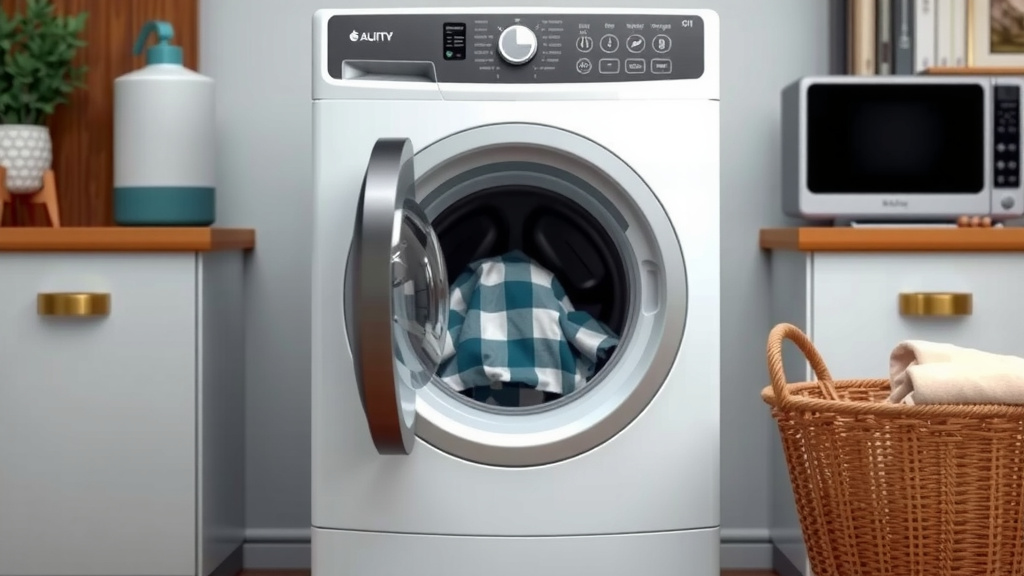
First, you open the door and load your clothes. It’s important not to overload the machine. Clothes need room to move freely for effective cleaning. Then, you add your detergent, typically to a specific dispenser drawer. This drawer is designed to release the detergent at the right moment in the cycle.
Filling with Water
Once you select your wash cycle and press start, the machine begins to fill. The water pump kicks in, and water flows into the drum. Front loaders are known for using less water than traditional top-loaders. This is because the drum only needs to be partially filled for the clothes to tumble through it. Research indicates this can save a significant amount of water over time (EPA).
The Tumbling and Washing Action
This is where the magic happens. The motor starts turning the drum. As the drum rotates, clothes are lifted by baffles (the little ledges inside the drum) and then drop back into the water and detergent mixture. This tumbling action, repeated throughout the cycle, creates friction between the clothes. This gentle rubbing helps to loosen dirt and stains from the fabric fibers. The lower water level means the clothes are constantly interacting with the detergent and each other, providing a thorough clean.
Draining and Rinsing
After the wash portion, the water pump kicks in again. It effectively sucks all the dirty, soapy water out of the drum. Then, the machine refills with clean water for the rinse cycle. This process is repeated, often multiple times, to ensure all detergent residue is removed. We found that an extra rinse option is great for people with sensitive skin.
The Spin Cycle: Removing Excess Water
This is the part that can get a bit noisy! The drum starts to spin incredibly fast. This centrifugal force pushes the water out of your clothes and through the holes in the drum. The faster the spin speed, the more water is removed. This means your clothes will come out of the washer much drier, significantly cutting down on drying time. Many machines offer different spin speeds, allowing you to adjust based on the fabric type.
Why the Front Loader Design is So Effective
The horizontal drum and tumbling action are not just for show; they are the reason front loaders are so popular.
Gentle on Fabrics
Because there’s no central agitator beating up your clothes, front loaders are significantly gentler on fabrics. This means your favorite sweater or delicate blouse is less likely to get stretched or snagged. Many clothing care labels recommend front-loading machines for longevity (Textile Care industry recommendations).
Water and Energy Efficiency
As mentioned, they use less water. Less water also means less energy is needed to heat that water if you use warm or hot cycles. The efficient spinning also means less energy spent on the dryer. It’s a win-win for your wallet and the environment.
Superior Cleaning Performance
Research and consumer testing often show that front loaders can provide a more thorough clean. The tumbling action combined with the concentrated detergent action seems to lift dirt more effectively. Many experts point to the ability to saturate fabrics better as a key factor (Consumer Reports testing data).
Here’s a quick rundown of what makes them shine:
- Tumbling Action: Clothes rub against each other for cleaning.
- Horizontal Drum: Gravity aids the tumbling process.
- Water Efficiency: Uses less water per load.
- Fabric Care: Gentler on your garments.
- Energy Savings: Less water and shorter drying times.
- Deep Cleaning: Often leads to a more thorough wash.
Conclusion
You’ve seen how your front loader uses a horizontal drum and gravity for a powerful yet gentle clean. This tumbling action, powered by its motor and managed by the water pump, is remarkably effective. It uses less water, is kinder to your clothes, and often delivers a deeper clean than older machines. By understanding these steps, you can appreciate the engineering that makes laundry day easier. To get the most from your machine, remember to avoid overloading it and use the correct detergent amount for optimal results every time.
Frequently Asked Questions
Why do front loaders use less water?
Front loaders use less water because their horizontal drum only needs to fill partially. Your clothes tumble through this smaller water volume, allowing them to get thoroughly saturated without needing a full tub. This design is key to their water efficiency compared to traditional top-loaders.
Can I add clothes to a front loader mid-cycle?
Most front loaders allow you to add a forgotten item, but only during the initial filling or wash phases. You’ll typically need to pause the cycle. Once the machine starts draining or spinning rapidly, adding clothes can disrupt the balance and efficiency of the wash.
What is the “baffle” inside the drum?
The baffles are the small ledges or paddles you see inside the stainless steel drum. Their job is to lift your clothes up as the drum rotates. When the clothes fall back down, this tumbling action creates friction and helps them rub against each other for cleaning.
Why does my front loader spin so fast?
The extremely fast spin cycle uses centrifugal force to remove as much water as possible from your clothes. This force pushes water outwards through the drum’s perforations. A faster spin means your laundry will come out much drier, significantly reducing the time needed in the dryer.
Is it normal for my front loader to make noise during the spin cycle?
Yes, it’s normal for front loaders to make noise, especially during the high-speed spin cycle. The rapid rotation of the drum and the expulsion of water can create vibrations and sounds. If the noise is unusually loud, grinding, or sounds like something is hitting the drum, it might indicate an imbalance or a mechanical issue.