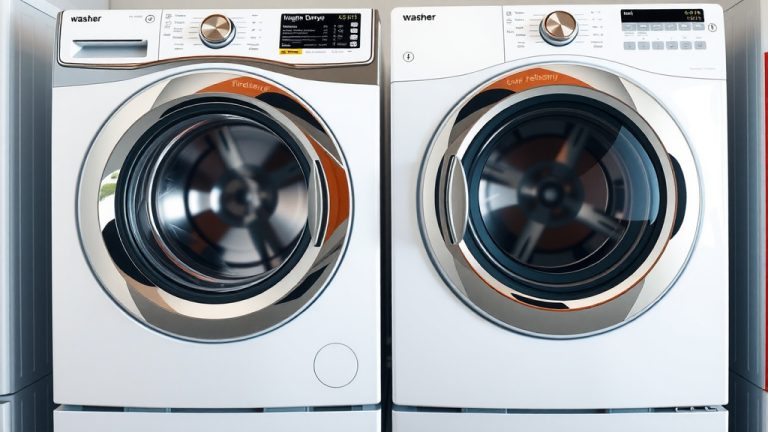
Front Load Washer Capacity: How Full Is Too Full
Yes, you can and really should fill your front load washer properly to get the best clean. A front loader should be filled loosely, about 80% full, with clothes. Don’t pack them in tightly. This allows your clothes enough room to tumble freely and get thoroughly washed and rinsed. Overstuffing can actually lead to dirtier clothes.
Many people wonder about the ideal load size for front-load machines. Researchers and manufacturers agree that a loosely packed drum is key. It’s not about reaching a specific weight, but rather ensuring adequate space for effective cleaning action. Leaving some air space means your detergent can reach all the fabric surfaces.
- Fill loosely, about 80% full.
- Don’t pack clothes tightly.
- Clothes need room to tumble.
- Proper loading cleans better.
- Avoid overstuffing the drum.
Let’s walk through exactly how to achieve that perfect load size for your front-load washer.
How Full Should Your Front Load Washer Be?
So, how full can you really pack that front-load washing machine of yours? It’s a question many of us ponder while staring at a mountain of laundry. The simple answer is that you should fill it loosely, aiming for about 80% capacity.
This isn’t just a suggestion; it’s a key to getting your clothes truly clean. Overstuffing can actually trap dirt and detergent, leaving you with less-than-fresh results. Let’s get into why this matters and how to nail the perfect load.
Understanding the Mechanics of a Front Load Washer
Unlike top-load washers that rely on agitators or impellers to move clothes through water, front-loaders use gravity and tumbling action. The drum rotates, lifting clothes to the top and then dropping them back into the water. This tumbling is your primary cleaning force.
Why Tumbling Matters for Cleaning
Think of it like a gentle massage for your clothes. As they tumble, they rub against each other and the water. This friction helps dislodge dirt and stains. If your clothes are packed too tightly, they can’t tumble freely. They just sort of sit there, getting a poor clean.
The Role of Water and Detergent
For effective cleaning, water and detergent need to reach every single fiber of your clothing. When a drum is overloaded, these essential cleaning agents can’t circulate properly. You end up with detergent residue clinging to clothes, and dirt just getting pushed around instead of washed away.
The 80% Rule: What It Looks Like in Practice
What does “loosely packed” or “80% full” actually mean when you’re standing there with your laundry basket? We’ve found that a good visual cue is to be able to see a bit of the drum’s interior. You shouldn’t be able to see only clothes; there should be some visible air space.
Visual Cues for the Perfect Load
Imagine you’re filling a suitcase for a trip. You wouldn’t cram every last inch full, right? You’d leave a little room for things to settle. Your washer drum is similar. If you can easily push down on the clothes and create more space, you’ve likely got too much in there.
Items That Can Affect Load Size
Certain items can really bulk up a load. Think about large towels, bulky blankets, or even bedding. These can quickly fill up a drum. It’s often a good idea to wash these larger items separately or with fewer other things. This ensures they have enough room to get properly clean and rinsed.
What Happens When You Overstuff Your Washer?
We’ve touched on this, but let’s dig a little deeper. Overstuffing your front-load washer can lead to a cascade of problems. It’s not just about clothes coming out less clean, though that’s a big one.
Poor Cleaning Performance
As mentioned, the tumbling action is key. When clothes are packed too tight, they can’t move. This means dirt and grime aren’t effectively removed. You might notice persistent stains or a general dinginess even after a wash cycle. This is a common complaint from those who consistently overfill their machines.
Inadequate Rinsing
Are you sometimes left with that stiff, slightly scratchy feeling on your clothes? This can be a sign of poor rinsing. When the drum is overloaded, there isn’t enough space for water to flow through and rinse away all the detergent. This residue can irritate skin and make fabrics feel less soft (Cleveland Clinic).
Potential for Machine Damage
Overloading can put a strain on your washing machine’s components. The motor has to work harder to turn the drum when it’s heavy and unbalanced. This can lead to premature wear and tear. In extreme cases, it might even cause damage to the drum bearings or suspension system. It’s best to avoid this stress on your appliance. Overloading can put a strain on your washing machine’s components, and it’s worth considering the cost of a new washing machine if yours is frequently strained.
Increased Wash Times and Energy Use
Sometimes, an overloaded machine might not spin effectively. This can leave clothes wetter than usual, requiring longer drying times. Plus, if the machine isn’t cleaning efficiently, you might end up re-washing loads, which uses more water and energy than necessary.

Tips for Loading Your Front Load Washer Correctly
So, how do you get it right every time? It’s simpler than you think. Focus on feel and space, not just filling it to the brim.
Sort Your Laundry First
Always sort your clothes by color and fabric type before washing. This helps prevent color bleeding and ensures delicate items aren’t damaged by heavier fabrics. It also makes it easier to judge load size.
Mix Item Sizes (Mostly)
For most loads, it’s good to mix items of different sizes. A few larger items like sheets can help create space for smaller items like socks and underwear to move around. Just be mindful not to let the large items dominate the drum.
Don’t Be Afraid of Air Space
Seriously, that air space is your friend! It’s where the magic happens. You should be able to easily add or remove an item after you’ve loaded the drum. If it’s a struggle, take some clothes out.
Follow Manufacturer Guidelines
Most washing machine manuals offer specific guidance on load sizes. While the 80% rule is a great general guideline, always check your owner’s manual for any specific recommendations from the manufacturer of your particular model.
The Best Way to Know Your Load is Right
Let’s wrap this up with a quick checklist to ensure you’re loading your front-load washer like a pro:
- Can you easily toss in one more shirt? If yes, it’s probably about right.
- Do you see a good amount of visible drum space above the clothes?
- Are your clothes loosely arranged, not crammed in?
- Are bulky items (like towels or comforters) given enough room?
- Does the load feel balanced when you shift it slightly?
Conclusion
You’ve learned that your front load washer works best when you give its tumbling action room to do its job. Aim for that 80% fill line, which means leaving some visible air space in the drum. Avoid the temptation to cram every last sock in! Doing so prevents poor cleaning and rinsing, and it protects your machine from unnecessary strain.
By following these simple loading tips, you’ll ensure your clothes come out cleaner, your machine lasts longer, and your laundry routine becomes much more effective. Your next step? Take a peek inside your washer drum before your next load to check that you’re not overstuffing.
Frequently Asked Questions
How can I tell if I’ve packed my front load washer too full?
A good visual cue is to see some air space above the clothes in the drum. If you can easily push down on the laundry and create significant more space, it’s likely too full. You should also be able to easily toss in one more item after loading.
Can I wash bulky items like blankets in my front load washer?
Yes, but be mindful of the load size. Bulky items can quickly fill the drum. Wash them with fewer other items, or consider washing them alone, to ensure they have enough room to tumble and get properly clean and rinsed.
What happens if I consistently overstuff my front load washer?
Consistently overstuffing can lead to clothes not getting truly clean, poor rinsing with detergent residue, and increased wear and tear on your machine’s motor and bearings. It might even cause your machine to use more energy and water overall.
Does the type of fabric affect how full I can pack the washer?
While the 80% rule generally applies, very delicate or sheer fabrics may require even more space to prevent snagging or stretching. Heavier items like towels or jeans can also take up more room, so always gauge by how loosely the items are arranged.
Should I leave space for detergent to circulate?
Absolutely. The space you leave in the drum is crucial for water and detergent to reach every part of your clothing. If the drum is too full, detergent can’t circulate effectively, leading to poor cleaning and residue buildup.