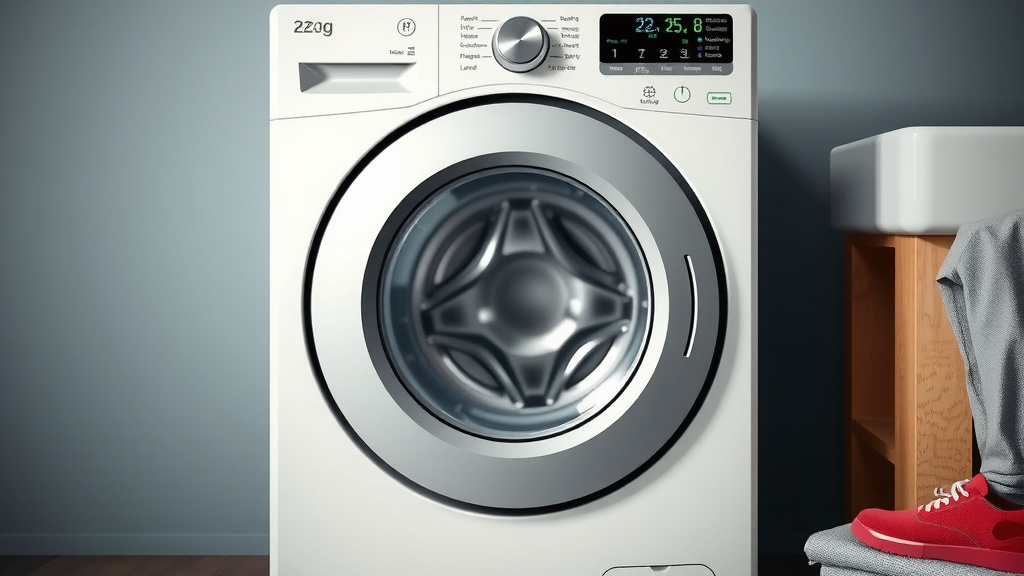
How Full Should Your Front Load Washer Be
You might be wondering, “How full should a front load washer be?” The answer is: not too full. Your front load washer should generally be about two-thirds full at most to ensure clothes can move freely for a proper clean. Overfilling is a common mistake that can lead to poor washing results and even damage your machine.
A properly loaded washing machine allows water and detergent to circulate effectively. When your machine is too packed, clothes can get tangled, and stains might not get washed out. We’ve found that many people think more clothes mean fewer loads, but it can actually mean re-washing or causing strain on your appliance.
- Front load washers need space for clothes to tumble.
- Aim for a load that’s roughly two-thirds full.
- Don’t pack the drum tightly.
- This ensures better cleaning and protects your machine.
Let’s walk through exactly how to load your front load washer correctly to get the best results.
Loading Your Front Load Washer for Optimal Cleaning
So, how much is too much when it comes to loading your front load washer? We’ve found that the most common mistake people make is simply overloading the machine. This is understandable; who doesn’t want to get more done in fewer loads? But packing it too tightly can actually sabotage your efforts. Your front loader needs plenty of room to work its magic. Think of it like a dance floor – if it’s too crowded, no one can move freely, and the performance suffers!
The Magic Ratio: How Full is “Just Right”?
When it comes to front load washers, the sweet spot for load size is generally considered to be about two-thirds full. This isn’t a strict measurement, but more of a visual guide. You should be able to see a good amount of the drum’s interior, and the clothes should look loosely distributed, not matted down.
Why this ratio? Front load washers clean by tumbling clothes through water. This tumbling action requires space for the garments to move, flip, and rub against each other. If the drum is too full, the clothes can’t tumble properly. They just sort of get pushed around, leading to a less effective clean.
What Overfilling Really Means for Your Laundry
When you cram too many clothes into your front loader, several things can go wrong:
- Poor Cleaning Performance: Water and detergent can’t circulate effectively around tightly packed clothes. This means dirt and stains might not get lifted. You might end up with clothes that look the same after the cycle as they did before.
- Lingering Odors: Without proper circulation, detergent can’t rinse out completely. Trapped soap residue can lead to a mildewy smell on your clothes over time.
- Increased Wear and Tear: Overloading puts significant strain on the washer’s motor and drum bearings. This can shorten the lifespan of your appliance. Imagine a tiny car trying to carry a full-sized elephant – it’s not going to end well for the car!
- Wrinkled Clothes: When clothes can’t move freely, they tend to get more wrinkled. You’ll spend more time ironing, which defeats the purpose of using a washing machine.
Underloading: Is it Also a Problem?
While overloading is more common, underloading can also present minor issues. If you run a machine with just a few tiny items, they might not distribute evenly. This can cause the machine to become unbalanced during the spin cycle, leading to extra vibration. However, most modern machines have sensors to detect this. Generally, a load that’s too small is less damaging than a load that’s too big.
Visual Cues: How to Gauge the Right Load Size
Let’s break down how to visually check if your load is just right. We’ve found these methods to be quite helpful:
The “Hand Span” Method
After you’ve added your clothes to the drum, try this simple trick. Reach your hand in and press down gently on the clothes. You should be able to easily fit your hand between the top of the clothes pile and the top of the drum. If you have to really shove your hand in or can barely get it in, your load is likely too full.
The “Air Pocket” Test
Another way to think about it is ensuring there’s enough empty space. When you look at the drum, you should see a noticeable air pocket above the clothes. This space allows for the necessary tumbling and agitation. If the clothes are packed all the way to the top, you’ve gone too far.
What About Different Types of Loads?
The type of items you’re washing can slightly affect how you load. Larger, bulkier items like towels or blankets will take up more space. You might only be able to fit one or two large towels in a load to keep it within the two-thirds full guideline. Smaller items like socks and underwear can fill in the gaps, but remember, they still need room to move!
| Load Type | Visual Cue | Potential Issues if Overloaded |
|---|---|---|
| Regular Mixed Load | Drum is about 2/3 full. Plenty of space to see the drum’s interior. | Poor cleaning, odors, machine strain, excessive wrinkles. |
| Bulky Items (Towels, Sheets) | Only 1-2 large items, with ample space remaining. | Tumbling is severely restricted, leading to uneven cleaning. |
| Delicates/Small Items | Items are loose, not compacted. Still space for movement. | Can cause imbalance if *very* few items, but generally less problematic than overfilling. |

Key Takeaways for Perfect Loads
To ensure your front load washer performs at its best and keeps your clothes looking and smelling fresh, keep these simple tips in mind:
- Don’t aim for maximum capacity.
- Always leave visible empty space in the drum.
- Check that clothes can move freely before starting.
- Adjust for bulky items; they take up more space.
- Prioritize a good wash over fewer loads.
- Listen to your machine; unusual noises might signal an issue.
Conclusion
Getting your front load washer loaded correctly is simpler than you might think! Remember, the key is to avoid overfilling. Aim for about two-thirds full, ensuring clothes have room to tumble freely for a truly effective clean. This simple habit not only leads to fresher, cleaner clothes but also protects your machine from unnecessary strain and wear. By leaving that crucial air pocket, you’re prioritizing both garment care and appliance longevity. Make this your new laundry routine, and you’ll notice a real difference!
Frequently Asked Questions
Can I stuff as many clothes as possible into my front loader?
No, you absolutely should not stuff your front load washer. While it might seem efficient to pack it full, it prevents clothes from tumbling properly. This leads to poor cleaning results and can put a strain on your washing machine’s motor and bearings.
What happens if I consistently overload my front load washer?
Consistently overloading can cause several problems. Your clothes may not get clean, leading to lingering odors and more wrinkles. Over time, this extra stress can significantly shorten the lifespan of your washing machine’s components.
Is it okay to wash just one or two items in a front load washer?
Washing just a few items is generally okay, though it’s less efficient. If you wash only a very small load, the items might not distribute evenly during the spin cycle, causing some vibration. However, it’s far less harmful than overloading the machine.
How do I know if I’ve left enough space in the drum?
A good visual cue is the “hand span” test. After loading, you should be able to easily fit your hand between the top of the clothes and the top of the drum. If you have to force your hand in, or can barely fit it, your load is likely too full.
Do different types of clothing require different loading amounts?
Yes, they do. Bulky items like towels and blankets take up much more space and require you to leave more room in the drum. For smaller items, you can fill more of the drum, but you still need to ensure there’s enough space for them to move freely during the wash cycle.