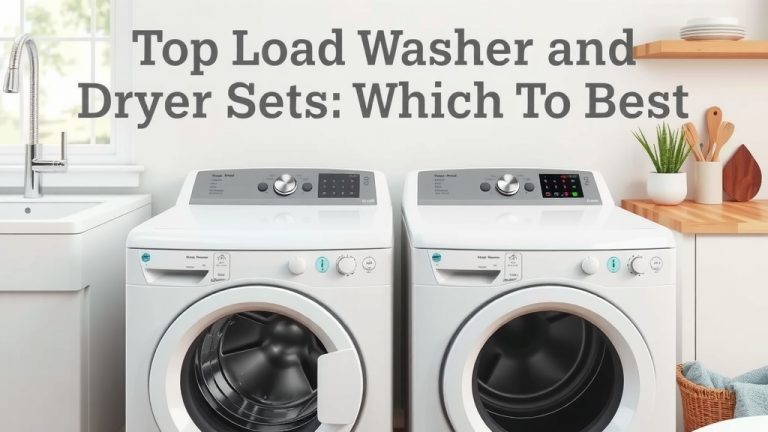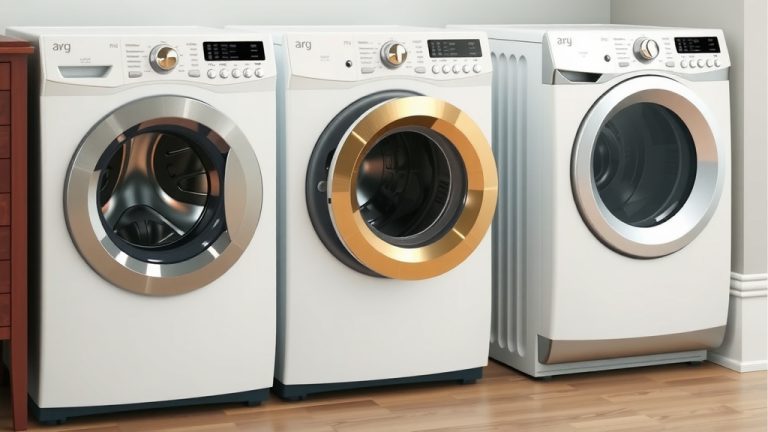
Choosing a Front Load Washing Machine: A Smart Guide
Choosing a front load washing machine is about finding the right capacity, energy efficiency, and features for your household needs. You’ll want to look for models with good water usage and a quiet operation. Consider what wash cycles are most important to you. This guide will help you make the best choice for your laundry room.
Front loaders are known for being gentle on clothes. They also tend to use less water than top-loading machines. Many modern models offer advanced features like steam cleaning and smart connectivity. We found that understanding your typical laundry load size is key to picking the perfect machine.
- Capacity: Match drum size to your needs.
- Energy & Water Use: Look for high efficiency ratings.
- Cycle Options: Choose cycles that suit your fabrics.
- Noise Level: Quieter machines are better for open living spaces.
Let’s dive into the details to help you pick a front load washer that will make laundry day a little easier.
Picking the Right Front Load Washer for Your Home
Selecting a front load washing machine involves matching its capabilities to your household’s laundry habits. You’ll want to consider its capacity and how efficiently it uses energy and water. Many models also offer various wash cycles and noise levels that can impact your daily routine.
Understanding Washer Capacity and Your Laundry Needs
The first big decision is how much laundry you typically wash. A front loader’s capacity is measured in cubic feet, indicating the drum size. Think about your family size and how often you do laundry.
Matching Drum Size to Your Household
For smaller households or individuals, a smaller capacity machine might be perfectly fine. These often run around 2.0 to 3.5 cubic feet. They’re great for saving space and energy if you don’t have huge loads.
Medium-sized families or couples might find a capacity of 3.5 to 4.5 cubic feet ideal. This range handles a good mix of everyday laundry and larger items like bedding. You won’t feel the need to run the machine constantly.
Larger families or those who wash bulky items frequently should look at capacities over 4.5 cubic feet. These extra-large drums can easily fit king-size comforters. They allow you to do fewer loads, which can save you time and energy in the long run.
What Fits Inside?
Don’t just look at the cubic feet number. Consider what types of items you wash most. Can it handle a week’s worth of clothes for four people? What about bulky towels or blankets? We found that checking manufacturer specifications for specific load sizes can be very helpful.
Energy and Water Efficiency: Saving Money and the Planet
Front loaders are generally more energy-efficient than their top-loading counterparts. Look for the ENERGY STAR label. This certification means the appliance meets strict energy efficiency guidelines set by the U.S. Environmental Protection Agency.
Understanding Efficiency Ratings
The CEE Tier rating is a good indicator of water and energy savings. Higher tiers mean better efficiency. Many front loaders achieve a CEE Tier 1 rating, meaning they use less water and energy than federal standards require.
We found that models with high energy efficiency ratings can significantly reduce your utility bills over the machine’s lifespan. This makes them a smart investment for your home and the environment.
Water Usage Matters
Front loaders use about 30-50% less water than traditional top-loaders. They achieve this by tumbling clothes through a small amount of water. This is kinder to your clothes and uses less water per cycle.
Essential Wash Cycles and Features to Consider
Beyond basic washing, modern front loaders come with a variety of cycles and features. Think about your common laundry needs and what would simplify your routine.
Common Wash Cycles You’ll Use
Normal/Cotton: This is your everyday cycle for most clothes. It balances cleaning power with fabric care.
Delicates/Hand Wash: Perfect for lingerie, silk, or items that need a gentler touch. This cycle uses less agitation.
Heavy Duty: For heavily soiled items like work clothes or towels. It uses more water and agitation for deeper cleaning.
Quick Wash: Ideal for small, lightly soiled loads you need cleaned in a hurry. It’s a real time-saver.
Advanced Features That Can Help
Steam Cleaning: Many experts say steam cycles can help reduce allergens and wrinkles. They also boost sanitization without harsh chemicals.
Sanitize Cycle: This cycle uses very hot water to kill bacteria and allergens. It’s a good feature for households with allergies or young children (Cleveland Clinic).
Smart Technology: Some machines connect to your smartphone. You can start, stop, or monitor cycles remotely. You might even get notifications when a load is finished.
Noise Level: A Consideration for Your Living Space
If your laundry room is near living areas or bedrooms, noise level is important. Front loaders are often quieter than top-loaders, but there can be differences between models.
What Makes a Washer Quiet?
Look for models that advertise vibration reduction systems or specific quiet operation features. Some brands use advanced suspension and motor technologies to minimize noise and shaking. We found that reading user reviews often gives the best insight into actual noise levels.
A well-balanced load also contributes to a quieter wash. Overloading or underloading can cause more vibration.
Making Your Final Choice: A Quick Checklist
To wrap things up, here’s a quick checklist to guide your decision:
- Does the capacity fit your family size and laundry habits?
- Is it ENERGY STAR certified for efficiency?
- Does it have the wash cycles you need most often?
- Are there any special features, like steam or sanitize, that appeal to you?
- Have you considered the noise level for your home?
- Does the price fit comfortably within your budget?
Conclusion
You’re now well-equipped to choose the perfect front load washing machine. Remember to match the capacity to your household’s laundry needs. Prioritize energy and water efficiency to save on utility bills and help the environment. Select cycles and features that simplify your routine, and consider the noise level for your living space. Taking these steps will lead you to a reliable machine. Your next step is to start comparing models based on these key factors and find the one that best fits your home.
Frequently Asked Questions
How do I know what washing machine capacity I need?
Consider your family size and how often you do laundry. For singles or couples, 2.0-3.5 cubic feet might suffice. Larger families or those washing bulky items often benefit from 4.5 cubic feet or more. We found that imagining your largest typical load, like bedding, helps determine this.
Are front load washers really more water-efficient?
Yes, front load washers typically use 30-50% less water than traditional top-loaders. They achieve this by tumbling clothes through a small amount of water. This design is gentler on clothes and conserves water effectively.
What does the CEE Tier rating mean for efficiency?
The CEE Tier rating indicates a washing machine’s water and energy efficiency. Higher tiers, like CEE Tier 1, mean the machine uses less water and energy than federal standards require. Look for this rating to ensure you’re choosing an eco-friendly and cost-effective model.
Is a steam cycle really necessary in a front load washer?
A steam cycle can be very beneficial for reducing allergens and wrinkles. It also helps sanitize clothes without harsh chemicals, making it a great feature for households with allergies or young children. While not essential for everyone, it adds a layer of cleaning and fabric care.
How can I ensure my front load washer isn’t too noisy?
When shopping, look for models that specifically mention vibration reduction systems or quiet operation features. Reading user reviews is also highly recommended. They often provide real-world feedback on a machine’s noise level. Proper load balancing also contributes to quieter operation.