Front Load Washer Laundry: Your Complete Guide
Doing laundry in a front load washer is simpler than you might think! You can easily clean your clothes by using the right amount of detergent and choosing the correct cycle. Front loaders are known for being gentle on fabrics and using less water, saving you money and keeping your clothes looking newer for longer. Just remember to leave the door ajar after a wash to prevent any musty smells.
Many people wonder if front load washers are tricky to use. The truth is, they are designed for ease of use. You’ll find they often have specialized cycles for different fabric types. Knowing a few key steps will help you master your machine and get your laundry done efficiently. It’s all about understanding the basic operation and a few helpful tips.
- Always use HE (High Efficiency) detergent.
- Don’t overload the drum; clothes need room to tumble.
- Select the appropriate wash cycle for your load.
- Clean the detergent dispenser and rubber gasket regularly.
- Leave the door open after use to air it out.
Let’s walk through exactly how to get the best results from your front load washer, step by step. We’ll cover everything from loading your machine to selecting the perfect cycle for your laundry needs.
“`htmlGetting Started with Your Front Load Washer
So, you’ve got a front load washer and you’re wondering about the best way to use it? It’s actually quite straightforward! These machines are designed to be efficient and gentle on your clothes. We’ll guide you through each step so you can achieve perfectly clean laundry every time.
Understanding Your Detergent Choices
One of the biggest differences with front load washers is the type of detergent you should use. You’ll need an HE, or High Efficiency, detergent. These are specially formulated to produce less suds. Regular detergents create too much foam in these machines, which can lead to poor rinsing and even machine damage.
Why is HE detergent so important? Research shows that using the wrong detergent can interfere with the washer’s sensors and its ability to drain properly. This can leave residue on your clothes and, over time, harm the machine itself (Maytag).
How much should you use? Always check the detergent’s packaging for guidance. Most HE detergents have clear markings on the cap. Typically, you only need a small amount, often just a tablespoon or two for a standard load. Overusing detergent is a common mistake and can lead to less clean clothes and potential buildup.
Loading Your Front Load Washer Correctly
Loading your front load washer is a bit different from a top loader. You’ll place your clothes into the drum, but remember not to pack it too tightly. Your clothes need space to tumble freely. Think of it like a dryer; they need room to move to get clean.
A good rule of thumb is to load the drum loosely. You should be able to place your hand vertically between the top of the clothes and the top of the drum. Overloading can prevent water and detergent from circulating effectively. This means some items might not get properly washed, and the machine might have to work harder, potentially leading to wear and tear.
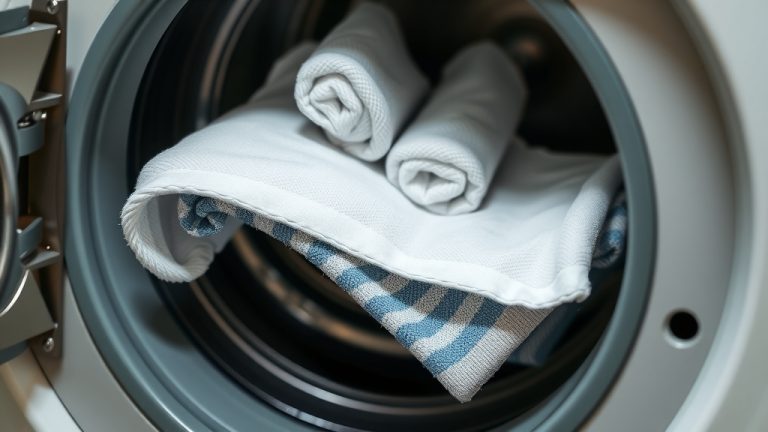
Are you washing bulky items like blankets or towels? Make sure they have plenty of room. A single bulky item should not fill the drum more than halfway. If you’re washing a large load, consider splitting it into two smaller loads for better cleaning results. Proper loading ensures a better wash for everything.
Navigating Wash Cycles and Settings
Front load washers come with a variety of wash cycles. Each one is designed for specific fabric types and soil levels. Taking a moment to select the right cycle can make a big difference in how your clothes turn out and how long they last.
Common Wash Cycles Explained
Let’s break down some of the most frequent cycles you’ll find:
- Normal/Cotton: This is your go-to for everyday items like t-shirts, jeans, and towels. It offers a good balance of cleaning power and fabric care.
- Delicates/Hand Wash: Use this for items that require a gentle touch, such as lingerie, silk, or items with embellishments. It uses less agitation and a slower spin speed.
- Permanent Press/Synthetics: Ideal for synthetic fabrics like polyester or blends. It provides a cooler rinse to help reduce wrinkles.
- Heavy Duty/Whites: For heavily soiled items or durable fabrics that need a more aggressive clean. It often uses warmer water and a longer wash time.
- Quick Wash/Speed Wash: Perfect for lightly soiled items you need cleaned in a hurry. It’s not meant for tough stains or large loads.
Understanding Temperature and Spin Settings
Beyond the cycle, you’ll also have temperature and spin speed options. Water temperature plays a key role in cleaning.
- Hot Water: Best for whites, sturdy cottons, and heavily soiled items. It’s effective at killing germs and removing tough stains. However, it can cause colors to fade and shrink some fabrics (CDC).
- Warm Water: A good all-around choice for moderately soiled items and permanent press fabrics. It offers good cleaning without excessive fading or shrinking.
- Cold Water: The most energy-efficient option and best for dark colors, delicates, or lightly soiled items. It helps prevent shrinking and fading, and many modern detergents are formulated to work well in cold water.
Spin speed affects how much water is extracted from your clothes. A higher spin speed means your clothes will come out drier, reducing drying time. A lower speed is gentler on fabrics, especially delicates. Most machines offer adjustable spin speeds within each cycle. You’ll often see options like “Low,” “Medium,” and “High” spin.
Specialty Cycles to Consider
Many front loaders have cycles for specific needs. Some common ones include:
- Sanitize: Uses very hot water to kill bacteria and allergens. Great for baby clothes or bedding.
- Steam: Helps to reduce wrinkles and refresh clothes without a full wash.
- Allergen: Designed to remove allergens like dust mites and pet dander.
Have a specific fabric type? Look for cycles labeled for wool, sportswear, or even bedding. Consulting your washer’s manual can help you understand what each specific cycle does.
Essential Maintenance for Your Front Load Washer
Just like any appliance, your front load washer needs a little TLC to keep it running smoothly. Regular maintenance not only extends the life of your machine but also ensures your laundry comes out smelling fresh.
Preventing Mold and Mildew
Front load washers can sometimes develop a musty odor. This is usually due to moisture trapped inside the drum and the rubber door gasket. The good news is that it’s preventable!
After each wash, leave the door slightly ajar. This allows air to circulate and dry out the interior. We also recommend wiping down the rubber gasket around the door with a dry cloth. Pay close attention to the folds where water can collect. This simple step is key to preventing that unpleasant smell.
Cleaning the Detergent Dispenser
Residue from detergent and fabric softener can build up in the dispenser drawer. This can clog the compartments and affect how your detergent is dispensed.
Most dispenser drawers can be easily removed for cleaning. You can usually pull them out firmly until they release. Wash the drawer with warm, soapy water and a brush to remove any buildup. Rinse it thoroughly and make sure it’s completely dry before putting it back. Many manufacturers recommend cleaning this drawer monthly.
Running a Cleaning Cycle
Manufacturers often suggest running a cleaning cycle periodically. This is usually done with an empty drum. You can use a specialized washing machine cleaner or a cup of white vinegar.
To do this, select the hottest water setting or a dedicated “Tub Clean” cycle if your machine has one. Add the cleaner or vinegar to the drum or dispenser. Run the cycle. This process helps to remove any internal buildup and keeps your washer smelling fresh. Many experts recommend doing this once a month.
Checking the Drain Pump Filter
Some front load washers have a small filter near the bottom of the machine that catches lint, coins, and other small items. If this filter gets clogged, it can prevent the washer from draining properly.
Consult your owner’s manual to locate and clean this filter. You’ll typically need a shallow pan or towel to catch any water that might spill out. Carefully unscrew the filter, clean it, and then screw it back in securely. It’s a good idea to check this filter every few months.
Quick Maintenance Checklist:
- Leave the door open after each use.
- Wipe down the door seal regularly.
- Clean the detergent dispenser drawer monthly.
- Run an empty cleaning cycle monthly.
- Check the drain pump filter periodically.
- Always use HE detergent.
Conclusion
You’ve now learned the essentials for mastering your front load washer. From choosing the right HE detergent and loading your machine properly to selecting the best cycles and performing simple maintenance, you’re ready to tackle your laundry. Keeping your machine clean and dry will ensure it runs efficiently for years to come. By following these steps, you’ll achieve cleaner clothes and a fresher-smelling laundry room.
Your next step? Try out a new cycle on your next load and see the difference it makes!
Frequently Asked Questions
How do I know if I’m using too much detergent in my front load washer?
If you see excessive suds overflowing from the dispenser or if your clothes still look dull after washing, you might be using too much HE detergent. Always refer to the detergent’s packaging for the correct amount, which is usually quite small for front loaders. Your machine’s manual may also provide guidance.
Can I wash my shoes in a front load washer?
Yes, you can often wash shoes, especially athletic sneakers, in a front load washer. Place them in a mesh laundry bag for protection. Use a gentle cycle with cold water and a small amount of detergent. It’s best to avoid high heat during washing and drying to prevent damage to the shoes.
Why does my front load washer smell musty even after washing?
A musty smell usually means moisture is trapped inside the drum or gasket. Make sure you’re leaving the door ajar after each use to allow for air circulation. Regularly wiping down the rubber seal with a cloth can also help prevent this odor from developing.
What’s the difference between the “Normal” and “Permanent Press” cycles?
The “Normal” or “Cotton” cycle is designed for everyday fabrics like towels and jeans, offering a good balance of cleaning and agitation. The “Permanent Press” or “Synthetics” cycle is gentler and includes a cool-down rinse to help minimize wrinkles, making it ideal for synthetic fabrics.
How often should I run a cleaning cycle on my front load washer?
It’s generally recommended to run a cleaning cycle once a month. This helps to remove any detergent buildup, mineral deposits, or potential mold and mildew from the inside of your machine. You can use a commercial washing machine cleaner or a simple mixture of white vinegar and water.