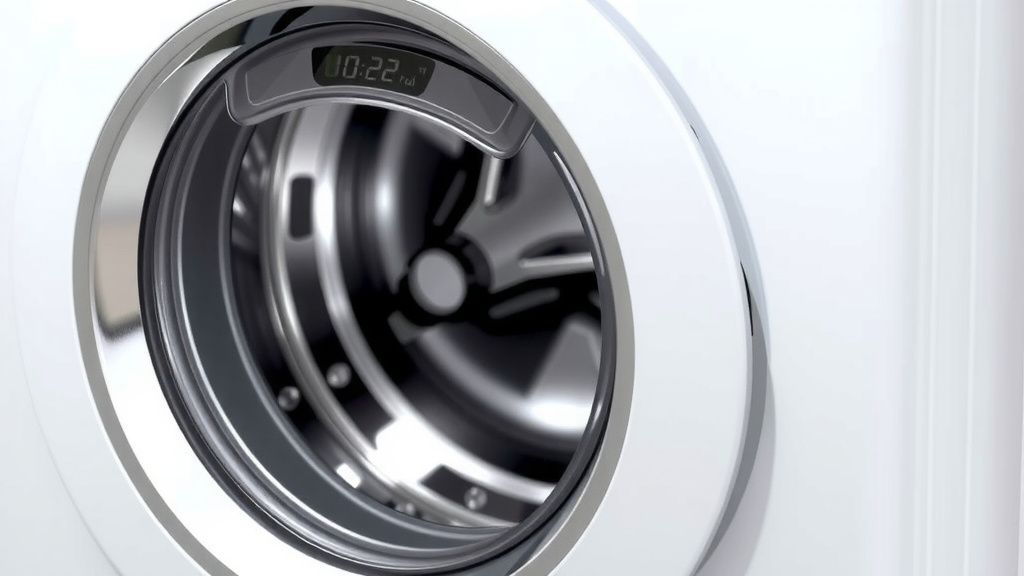
Front Load Washer Water Level? How to Increase It
You can often increase the water level in your front-load washer by adjusting the load size or using the extra rinse cycle. Some machines allow manual water level settings, and checking your model’s manual is the first step. Front-loaders are designed to use less water, so sometimes a seemingly low water level is normal.
If you’re worried about your clothes not getting clean enough, or if you see excess suds, it might be related to how you’re loading the machine. Overloading can prevent proper water circulation. We found that using the right amount of detergent is also key. Getting the water level right ensures your clothes are thoroughly washed and rinsed.
- Check your washer’s manual for specific settings.
- Adjust the load size – don’t overload.
- Use the extra rinse option.
- Ensure you’re using the correct detergent amount.
Let’s walk through the common reasons why your front-load washer might seem to use less water than you expect, and how you can adjust things for better results.
You’ve noticed your front-load washer doesn’t seem to use as much water as your old top-loader. It’s a common observation! Front-loaders are built for efficiency. They use less water and energy by design. This means they tumble clothes through a smaller amount of water. But what if your clothes feel like they aren’t getting a good soak? Or perhaps you’re seeing too many suds?
Adjusting Water Usage in Your Front-Load Washer
You can often tweak your front-load washer’s water usage. It’s usually not about a simple “more water” button. Instead, it’s about optimizing how you use the machine. We’ll guide you through the common methods.
Understanding Why Front-Loaders Use Less Water
Front-load washers work differently than traditional top-loaders. They use a tumbling action. This means your clothes lift and fall through the water. This method requires much less water to get clothes clean. Many water conservation guidelines highlight this efficiency (Environmental Protection Agency). Your washer is likely working as intended. But sometimes, you might need a bit more water for certain loads. This is especially true if you’re dealing with heavily soiled items.
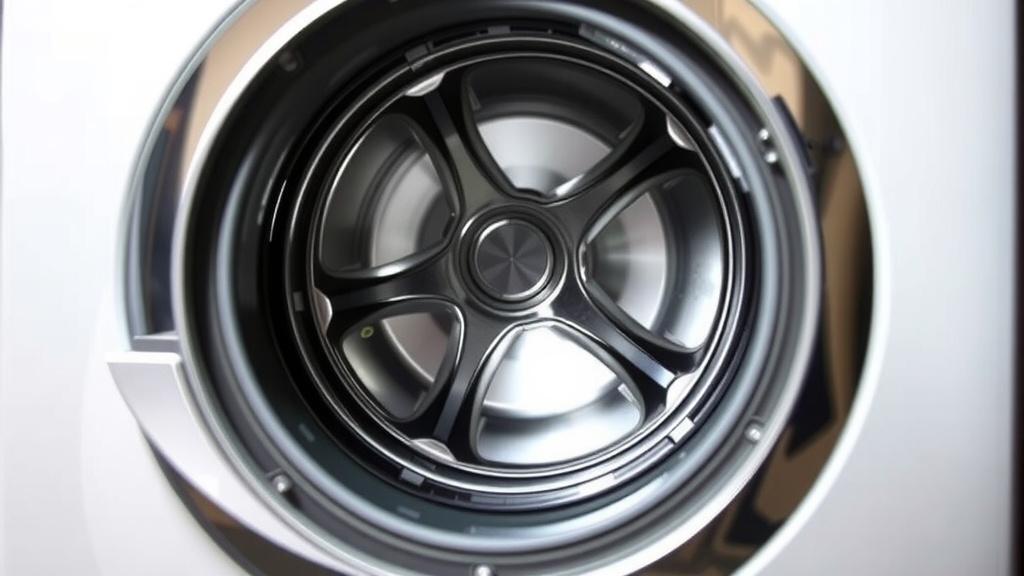
Common Ways to Increase Water Level or Effectiveness
There are several strategies you can employ. These are designed to ensure your clothes get thoroughly cleaned and rinsed. They focus on optimizing the existing cycles. You won’t typically find a direct dial to “add more water.” Instead, you adjust the load or cycle options.
1. Load Size Matters Most
This is the biggest factor in how much water your washer uses. Front-loaders are sensitive to load size. Overloading is a frequent culprit for poor washing performance. When you stuff too many clothes in, they can’t move freely. This prevents water from circulating properly. Your clothes might not get submerged enough. We found that leaving ample space for items to tumble is key.
Avoid Overloading
Think of it like a game of Tetris. You need space for everything to move. A good rule of thumb is to fill the drum loosely. You should be able to fit your hand vertically between the clothes and the top of the drum. If you have to force clothes in, it’s too full. Many washing machine manuals suggest leaving about 15% of the drum empty.
Underloading Can Also Be an Issue
On the flip side, washing just one or two items might also lead to perceived low water levels. The sensors in your machine try to be efficient. For very small loads, they might not trigger a higher water level. Try to group similar, smaller items together for a more balanced load.
2. Utilize the Extra Rinse Cycle
Most front-load washers come with an “Extra Rinse” option. This is a fantastic feature. It adds an additional rinse cycle to your wash program. This means more water is used during the rinsing phase. It’s especially helpful if you use a bit too much detergent. Or, if you have sensitive skin and want to ensure all residue is gone. You’ll typically find this as a button or option on your control panel. Simply select it before starting your wash.
3. Consider the “Bulky Items” or “Bedding” Setting
Some machines have specific cycles designed for larger items. These cycles often use more water. They also adjust the agitation and spin speeds. If you’re washing a comforter, a large blanket, or even a heavy rug, look for these specialized settings. They are engineered to handle these items. They ensure they get adequately saturated and rinsed.
4. Check Your Detergent Usage
Using too much detergent is a common mistake. It can create an excessive amount of suds. These suds can actually cushion the clothes. This prevents them from making good contact with the wash water. It also makes it harder for the machine to rinse properly. Many high-efficiency (HE) front-load washers require very little detergent. Always follow the detergent manufacturer’s recommendations. Also, consult your washer’s manual for guidance. We found that using the correct amount is essential for effective cleaning and rinsing.
High-Efficiency Detergents are a Must
Remember that front-load washers need HE detergents. These are low-sudsing formulas. Using regular detergent can create a foamy mess. This can lead to longer cycle times as the machine tries to manage the suds. It can also damage your machine over time. Always look for the HE symbol on your detergent bottle.
5. Explore Your Washer’s Settings (Manual is Your Friend!)
While most front-loaders don’t have a manual water level dial, some higher-end models might offer advanced settings. Some machines allow you to select load size options even on standard cycles. Your washer’s manual is the definitive guide to its features. It will tell you exactly what options are available and how to use them. If you’ve misplaced your manual, you can usually find a digital copy on the manufacturer’s website by entering your model number. We highly recommend giving it a read.
6. What About Those “Normal” Low Water Levels?
It’s important to remember that your front-load washer is designed to be efficient. What looks like a low water level to you might be perfectly normal for your machine. The tumbling action means it doesn’t need to fill up like a top-loader. If your clothes are coming out clean and without excess suds, the water level is likely just fine. Many experts agree that front-loaders are highly effective with less water (Consumer Reports research).
| Symptom | Likely Cause | Potential Solution |
|---|---|---|
| Clothes not getting wet enough | Overloaded drum | Remove some items to allow free tumbling. |
| Excessive suds | Too much detergent | Use less detergent; ensure you’re using HE detergent. |
| Clothes still dirty or dingy | Incorrect cycle, overloading, or not enough detergent | Check cycle selection, reduce load size, and ensure proper detergent amount. |
| Washer not draining properly | Clogged pump filter or drain hose | Clean the pump filter (usually at the bottom front). |
Quick Checklist for Better Washing
Here’s a quick recap to ensure you’re getting the best results from your front-load washer:
- Always check your washer’s manual for specific features.
- Load your washer loosely, leaving space for clothes to tumble.
- Use the “Extra Rinse” option for heavily soiled items or if you have sensitive skin.
- Measure your detergent carefully; use HE formulas only.
- Select the appropriate cycle for your load, especially for bulky items.
- If unsure, err on the side of using slightly less detergent.
Conclusion
You’ve learned that increasing water effectiveness in your front-load washer is often about optimizing how you use it, not just adding more water. Remember that your machine is designed for efficiency, so what seems low might be normal. By focusing on proper load size, using the extra rinse option, and always using the correct HE detergent, you can ensure your clothes get thoroughly cleaned and rinsed. We found that making these small adjustments can make a big difference in your laundry results. Your next step? Double-check your washer’s manual for any specific tips unique to your model!
Frequently Asked Questions
Why does my front load washer have so little water in it?
Front-load washers are designed to use less water than older top-loaders. They use a tumbling action to clean clothes, which requires less water to be efficient. Your machine is likely working as intended to save water and energy. If your clothes are coming out clean, this low level is normal.
Can I manually add more water to my front load washer?
Most front-load washers do not have a manual water level setting. Instead, you can often increase water usage by selecting options like “Extra Rinse” or specialized cycles for bulky items. Always consult your washer’s manual for the most accurate information on your specific model’s capabilities.
Will overloading my front load washer cause it to use more water?
No, overloading your front-load washer usually has the opposite effect. When the drum is too full, clothes can’t tumble freely, which hinders proper water circulation. This can lead to clothes not getting adequately wet and not cleaning well, rather than using more water.
My clothes feel soapy. Is this related to the water level?
Excessive soapiness, or suds, is typically caused by using too much detergent, not the water level. Front-load washers, especially HE models, require very little detergent. Using too much can create a foamy cushion that prevents proper rinsing. Always measure your detergent carefully and use only HE formulas.
How do I know if my front load washer is using enough water?
If your clothes come out clean, without visible residue or excessive wrinkles from being too tightly packed, your front-load washer is likely using enough water. Check for proper circulation during the wash cycle – clothes should be able to move freely. If you’re consistently seeing issues like dinginess or trapped dirt, then it might be time to adjust your loading or detergent use.