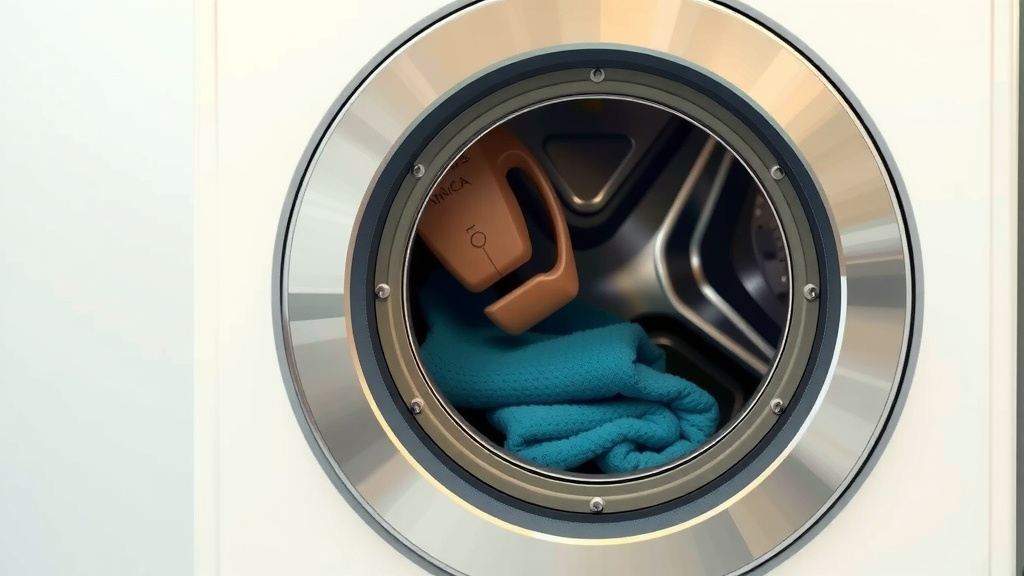
Front Load Washer Loading: The Proper Way
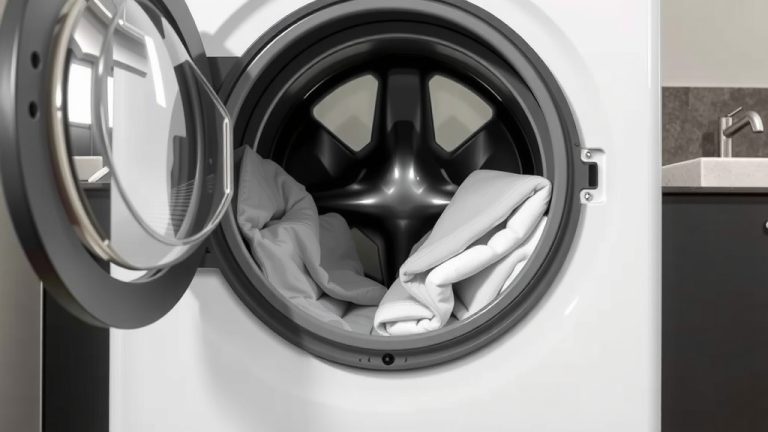
The easiest way to properly load a front load washer is to distribute clothes evenly around the drum, making sure not to pack them too tightly. This ensures your clothes get the best clean and helps prevent issues like poor draining or unbalanced loads. Always leave about a hand’s width of space at the top of the drum before starting the machine.
Loading your front load washer correctly is more than just tossing clothes in. It’s about helping your machine work efficiently and protecting your garments. Research shows that overstuffing can lead to mold and mildew issues, making it vital to get this right.
- Load clothes loosely around the drum.
- Don’t pack the washer completely full.
- Leave space at the top for water and movement.
- Avoid overloading for a better clean and machine care.
Let’s walk through exactly how to load your front load washer for optimal results, step by step.
Packing Your Front Loader for a Pristine Clean
Getting your front load washer loaded correctly is key. It helps your clothes come out cleaner. It also keeps your machine running smoothly for years. We’ll show you how to get it right every time.
The Art of Loading a Front Load Washer
Loading your front load washer might seem simple, but there are a few tricks. Doing it the right way prevents common problems. It also helps your laundry detergent work its best. Let’s break down the process.
What Not To Do: Common Loading Mistakes
The most common mistake is overstuffing the drum. Think of it like trying to cram too many items into a suitcase. Everything gets wrinkled and nothing gets properly cleaned. Many experts warn that a packed drum hinders water and detergent circulation.
Another error is loading only one heavy item. A single heavy towel or pair of jeans can throw off the balance. This causes the machine to shake violently. It can lead to excessive wear and tear on the drum and suspension system. We found that unbalanced loads are a major reason for repairs.
Getting the Load Size Just Right
A good rule of thumb is to leave about a hand’s width of space at the top of the drum. You should be able to comfortably slide your hand between the clothes and the top of the drum. This space is essential for proper agitation and rinsing. Research from appliance manufacturers suggests this is a critical factor for optimal performance.
Imagine your clothes tumbling freely. If the drum is packed, they can’t move. They just sit there, mostly stagnant. This means dirt and grime don’t get lifted away effectively. You might end up rewashing items, wasting water and energy. We found that consistently underloading can also be inefficient, so aim for a moderate load.
Testing Your Load Size
Once you think you have the right amount of laundry, give it a little push. Can you easily push the clothes down? If they spring back up stubbornly, you likely have too much. Try removing a few items. On the other hand, if there’s a huge cavernous space, you might want to add a few more items, but keep it loose.
Sorting Your Laundry for Better Results
Before you even think about putting clothes in the washer, sort them. This prevents color bleeding and protects delicate fabrics. Group whites together, darks together, and lights together. Separate heavily soiled items from lightly soiled ones. Many laundry guides recommend this as a foundational step.
Think about fabric types too. Heavy items like towels and jeans can go together. Lighter items like t-shirts and blouses can form another load. Mixing a heavy bath towel with a delicate blouse is a recipe for disaster. The towel can snag or stretch the blouse. We found that sorting by fabric type leads to longer garment life.
How to Actually Place Clothes in the Drum
Once sorted, start placing items into the drum one by one. Drape them loosely. Distribute them evenly around the sides. Don’t just toss everything in a pile in the center. This helps the machine balance itself during the spin cycle. Many washing machine manuals stress the importance of even distribution.
Picture a well-arranged salad bowl. You don’t want a big clump of lettuce in the middle. You want everything spread out so you can see and access each component. Your laundry should be similar. Spread out socks, shirts, and pants. This allows water and detergent to reach all surfaces of your clothes. We found that this simple step significantly improves cleaning power.
Handling Bulky Items
Bulky items like comforters or large blankets need special attention. They can easily unbalance a load. Try to wash them with one or two other medium-sized items. This helps distribute the weight more evenly. Avoid washing just one bulky item if possible. Many manufacturers advise against washing single bulky items alone. Check your machine’s manual for specific guidance on bulky items.
Adding Detergent and Starting the Cycle
Front load washers typically have a dispenser drawer for detergent, fabric softener, and bleach. Make sure you use the correct type of detergent. High-efficiency (HE) detergents are required for front loaders. Using regular detergent can create too many suds. This can damage the machine and leave residue on your clothes. We found that using the wrong detergent is a common cause of pump failures.
Follow the detergent manufacturer’s instructions for the amount. Too much detergent can also cause problems, just like too little. Once the detergent is in place, select your wash cycle. Close the door firmly until you hear a click. Then, press start. It’s that straightforward when everything is loaded correctly!
A Quick Loading Checklist
Here’s a handy checklist to keep with your machine:
- Sort clothes by color and fabric type.
- Do not pack the drum tightly.
- Leave about a hand’s width of space at the top.
- Distribute items loosely and evenly around the drum.
- Use HE detergent in the designated dispenser.
- Check for small items like socks before closing the door.

Troubleshooting Common Loading Issues
If your machine is making loud banging noises, it’s likely an unbalanced load. Open the door and rearrange the items. Try to even out the weight distribution. If your clothes aren’t coming out clean, you might be overloading the machine. Try removing some items and running another cycle. We found that these two issues account for most user-reported problems.
Smelly clothes or a musty-smelling machine? This is often a sign of mold or mildew. Overstuffing allows moisture to get trapped. It also prevents proper ventilation between washes. Leaving the door slightly ajar after use can help prevent this. Many appliance repair technicians stress the importance of air circulation. Keeping the door open between washes is a simple but effective preventative measure.
Conclusion
You’ve learned the essentials for loading your front load washer correctly. Remember, it’s all about giving your clothes the space they need to get clean. By avoiding overstuffing and distributing items evenly, you protect your garments and your machine. You’ll see better cleaning results and potentially fewer repairs. For your next laundry day, focus on that hand’s width of space and loose distribution. Your washer will thank you for it!
Frequently Asked Questions
Can I wash a single bulky item like a comforter?
While it’s best to avoid washing only one bulky item, you can often do so if necessary. To help balance the load, try adding a couple of smaller, medium-weight items like towels or pillowcases. Always check your washer’s manual first for specific recommendations on bulky items.
What happens if I use too much detergent?
Using too much detergent in a front load washer can cause excessive suds. This can lead to residue left on your clothes and in your machine. It may also cause the washer to malfunction or require extra rinse cycles, wasting water and energy.
Why is my front loader making loud banging noises?
Loud banging noises during the spin cycle are usually a sign of an unbalanced load. This happens when heavy items are clustered on one side of the drum. Open the lid and redistribute the clothes more evenly to fix this issue.
Should I always sort my laundry by color and fabric?
Yes, sorting is highly recommended. Washing similar colors together prevents dark dyes from bleeding onto lighter fabrics. Separating fabrics by weight and delicacy also protects delicate items from damage by heavier ones, leading to longer garment life.
Is it okay to leave the washing machine door closed after a cycle?
No, it’s best to leave the door ajar after each use. Front loaders can trap moisture, creating a prime environment for mold and mildew growth. Leaving the door open allows the drum to air out and stay fresh between washes.