Washer Dryer Combo vs Separate Washer Dryer: Which Is Best
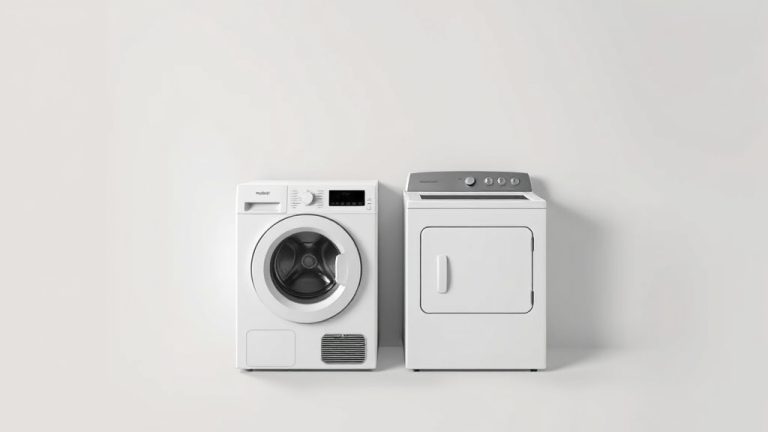
When deciding between a washer dryer combo and a separate washer and dryer, think about your space and laundry needs. A combo unit washes and dries clothes in a single machine, saving floor space. Separate units offer larger capacities and faster drying times, but require more room.
Many homeowners find the choice tricky. A combo is great for small apartments or limited laundry areas. But if you do large loads often, separate machines might be a better investment. We’ve researched both to help you choose wisely.
- Washer dryer combos save space.
- Separate washer and dryer units are faster.
- Combos are good for small homes.
- Separate units handle bigger loads easily.
- Consider your laundry volume and space.
Let’s break down the pros and cons of each option to help you make the best decision for your home.
Comparing All-in-One Washer Dryers to Separate Units
So, you’re on the hunt for a laundry solution. You’ve likely stumbled upon two main paths: the space-saving washer dryer combo and the traditional setup of a separate washer and dryer. Both have their loyal fans for good reasons. We’ve dug into what makes each tick, so you can figure out which one fits your life best.
The All-in-One Washer Dryer Combo: Your Space-Saving Champion
Think of a washer dryer combo as the Swiss Army knife of laundry appliances. It washes your clothes and then dries them, all within a single machine. This is a huge win if you’re living in a smaller home, an apartment, or just want to maximize your available square footage. No more dedicating a whole closet or corner to two bulky machines!
Pros of the Combo Unit
The most obvious perk is the space efficiency. You’ll only need hookups for one appliance. This can be a lifesaver in a compact dwelling. Plus, many find the setup simpler. You buy one unit, install it, and you’re ready to go. It’s a straightforward path to getting your laundry done without a major footprint.
We also found that many combo units are designed with modern aesthetics in mind. They often boast sleek designs that can blend nicely into a small kitchen or bathroom. For those who value a tidy, uncluttered look, this is a significant advantage.
Cons of the Combo Unit
Now, where do these convenient machines fall short? One common complaint is the capacity. If you’re a family that generates a mountain of laundry each week, a combo might feel like it’s always running. You might have to do more loads to get everything clean and dry. We found that typical combo capacities are often smaller than even a standard-sized standalone washing machine.
Another consideration is drying time. Because the machine uses the same drum for both washing and drying, it can take considerably longer to dry a load compared to a dedicated dryer. Some users report cycles stretching for hours. This can be frustrating if you’re in a hurry to get that favorite shirt ready for tomorrow.
Finally, while they’re great for saving space, they can sometimes be less energy-efficient, particularly when using the drying function. This is something to look into when comparing specific models, as technologies vary. It’s wise to check the Energy Star ratings.
Separate Washer and Dryer Units: The Power Duo
This is the setup many of us grew up with. You have a washing machine for cleaning and a separate dryer for fluffing and drying. This duo offers a different set of advantages, often related to performance and volume.
Pros of Separate Units
The biggest draw here is speed and capacity. Separate dryers are built specifically for drying. This means they can often dry clothes much faster and handle larger loads more effectively. If you’re doing industrial-level laundry for a big family, or you just hate waiting, this is where they shine.
We also found that separate units generally offer more drying options. You can often choose from different heat settings, steam functions, and specialized cycles tailored to delicate fabrics or bulky items. This level of customization can be really appealing for taking better care of your clothes.
Another benefit is durability and repair. Because these are two distinct machines, if one breaks down, the other can often still function. This means your laundry routine isn’t completely halted. Repairs might also be more straightforward for each individual unit.
Cons of Separate Units
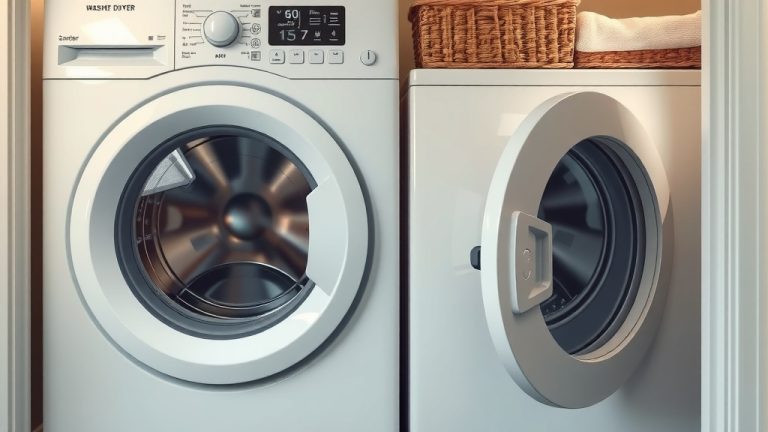
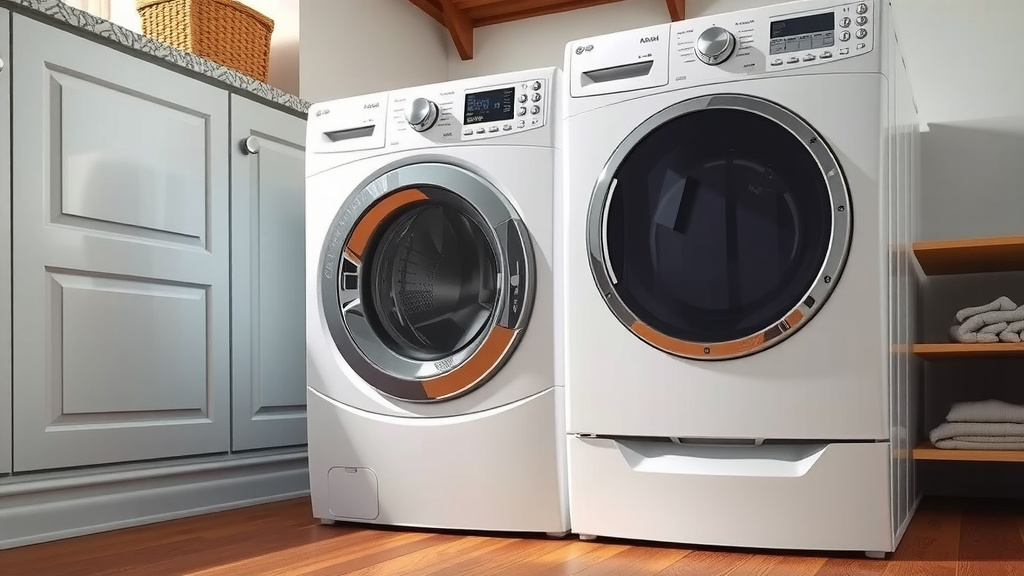
The most significant drawback is, you guessed it, space. You need room for both a washer and a dryer, plus space to open their doors. This typically means a dedicated laundry room or a sizable closet. If you live in a smaller home, finding this space can be a real challenge.
The cost is also a factor. You’re purchasing two appliances instead of one. While a combo might seem like a single purchase, remember you are buying two functions in one. The upfront cost for both a decent washer and a dryer can be higher than for a combo unit.
Making the Right Choice for Your Home
Deciding between these two laundry setups isn’t about which is “better” overall. It’s about which is better for *your* specific situation. Let’s think about your daily life and laundry habits.
Consider Your Laundry Volume
How much laundry do you actually do? If it’s just you or a partner, and you do a load or two a week, a combo unit might be perfectly adequate. But if you’re juggling clothes for multiple kids, pets, and maybe even a sports team, the larger capacity and faster drying of separate units will likely save you a lot of time and frustration. Many sources, like consumer reports, often highlight capacity as a key differentiator.
Assess Your Available Space
Measure your laundry area. Can you comfortably fit two full-sized machines? If the answer is no, or even a hesitant “maybe,” then a washer dryer combo becomes a much more attractive option. Think about not just the width and depth, but also the clearance needed for doors and ventilation. Some very small apartments might only have space for a compact combo.
Think About Your Budget and Energy Use
While upfront cost can vary, consider the long-term running costs. Energy efficiency ratings are important here. Some combo units use less water, but more electricity for drying. Separate dryers, especially gas models, can be more efficient for drying large loads quickly. It’s worth researching the energy consumption of the specific models you’re considering (Energy Star ratings are a good place to start).
Usage Habits and Priorities
Do you need laundry done ASAP, or can you let loads run for longer? If speed is a top priority, separate units win. If saving space is your primary goal, the combo unit is likely your best bet. For many people, it’s a balance between these factors. Some users even find that doing smaller, more frequent loads in a combo unit works well for them.
What’s Your Laundry Checklist?
To help solidify your decision, ask yourself these quick questions:
- Do I have a large family or do lots of laundry?
- Is floor space my biggest concern?
- Am I okay with longer drying times?
- Do I need specialized drying cycles for delicate items?
- What’s my budget for a new laundry setup?
- Do I have adequate ventilation options for a separate dryer?
Conclusion
Ultimately, your choice between a washer dryer combo and separate units hinges on your unique lifestyle. If you’re short on space but don’t tackle massive laundry piles, a combo unit is a fantastic, space-saving solution. For families with heavy laundry demands or those who prioritize speed, the power and capacity of separate machines are likely the way to go. We found that understanding your laundry volume, available space, and budget are key. Now, take a moment to measure your space and honestly assess your laundry habits. Your perfect laundry setup is within reach!
Frequently Asked Questions
How long does a wash and dry cycle take in a combo unit?
Cycle times can vary, but a full wash and dry cycle in a combo unit often takes longer than separate machines. We found that you should expect cycles to range from 3 to 8 hours, depending on the load size and the unit’s settings. This is because the machine uses the same drum for both functions.
Can a washer dryer combo handle large loads?
Generally, no. Washer dryer combos are designed for smaller households and have significantly less capacity than standalone washers. If you frequently wash bulky items or have a large family, you’ll likely find yourself doing more loads than you would with separate units.
Are combo washer dryers more expensive to run?
It depends on the model and how you use it. While combos can be energy-efficient for washing, the drying function often consumes more electricity. Separate dryers, especially gas models, can be more efficient for drying larger loads quickly. We recommend checking Energy Star ratings for specific models.
What is the main advantage of separate washer and dryer units?
The biggest advantages of separate units are their larger capacities and faster drying times. You can wash and dry bigger loads more efficiently, which can save you a lot of time if you have a busy household. They also typically offer more specialized drying cycles.
Can I install a separate dryer if I only have hookups for one machine?
Typically, you’ll need separate water, drain, and electrical hookups for both a washer and a dryer. A separate dryer also requires proper ventilation, usually an external vent. If you only have hookups for one appliance, a combo unit might be your only practical option without significant plumbing and electrical work.