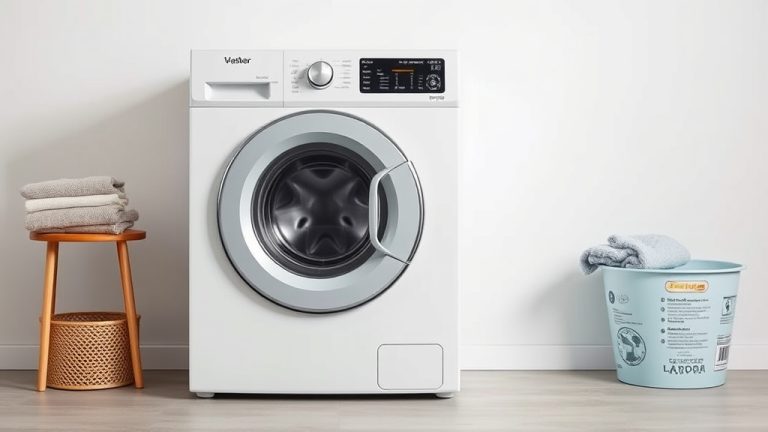
Front Loader Washing Machine Downsides Revealed
While front-loading washing machines offer many benefits, you might be wondering about their downsides. The main disadvantages of a front-loader include a longer wash cycle time and a higher upfront purchase price compared to top-loaders. They can also sometimes be harder to clean, potentially leading to mold or odors if not maintained properly.
Many people appreciate the energy efficiency and gentler fabric care front-loaders provide. However, it’s important to consider that they may require more frequent maintenance. Some models also have a lower capacity than certain traditional top-loading machines, which could be a factor for larger households. We found that understanding these trade-offs helps make the best choice.
- Front-loaders often take longer to wash clothes.
- They can cost more to buy initially.
- You may need to clean the door seal regularly.
- Some models have smaller drum sizes.
Let’s dive into the specific drawbacks you might encounter with a front-loading washing machine so you can decide if it’s the right fit for your home.
Considering the Downsides of a Front-Loading Washer
Front-loading washing machines are a popular choice for many households, and for good reason. They’re often more energy-efficient and can be gentler on your clothes. But like any appliance, they come with their own set of drawbacks. If you’re thinking about purchasing one, it’s wise to understand the potential downsides. We’ve researched and found that while the benefits are clear, a few disadvantages might make you pause.
Longer Wash Cycles: A Test of Patience
One of the most noticeable differences you’ll encounter with a front-loader is the wash time. Unlike older top-loading models that could rush through a load, front-loaders tend to take their time. A typical wash cycle on a front-loader can last anywhere from 60 to 90 minutes, sometimes even longer for specialized cycles. This extended duration might feel like a step backward if you’re used to quicker washes.
Think of it like this: a top-loader might be like a quick sprint, while a front-loader is more like a steady jog. The machine tumbles clothes through a small amount of water. This method uses less water and energy, which is great for your utility bills and the environment. However, the tumbling action and the need for thorough rinsing mean the cycle simply takes more time. We found this to be a common point of adjustment for new front-loader owners.
Impact on Busy Households
For families with demanding schedules, those extra minutes can add up. If you often find yourself needing to do multiple loads of laundry in a single day, a longer cycle might mean you’re waiting around more often. You might need to plan your laundry days a bit more carefully. Some newer models do offer “quick wash” options, but these are often best suited for lightly soiled items and may not be suitable for a full, heavily soiled load.
Higher Upfront Costs: Investing More Initially
When you start comparing prices, you’ll likely see that front-loading washing machines generally have a higher purchase price than their top-loading counterparts. This initial investment can be a significant factor for budget-conscious shoppers. While the long-term savings in water and energy can offset this cost over time, the upfront sticker shock can be considerable.
We found that the advanced features and engineering behind front-loaders contribute to their higher price tag. Features like advanced sensors, quieter operation, and specialized wash programs all add to the cost. It’s similar to buying a more fuel-efficient car; you might pay more at the dealership, but you save money at the pump later on. Research suggests that the price difference can range from a couple of hundred dollars to over a thousand, depending on the brand and model.
Exploring Your Options for Affordability
Don’t let the initial price deter you completely. There are ways to make a front-loader more affordable. Look for sales events, especially around holidays like Memorial Day or Black Friday. Many retailers offer discounts during these periods. Also, consider purchasing a floor model or a slightly older model year, which can often be found at a reduced price.
Maintenance and Potential for Odors: A Hygiene Check
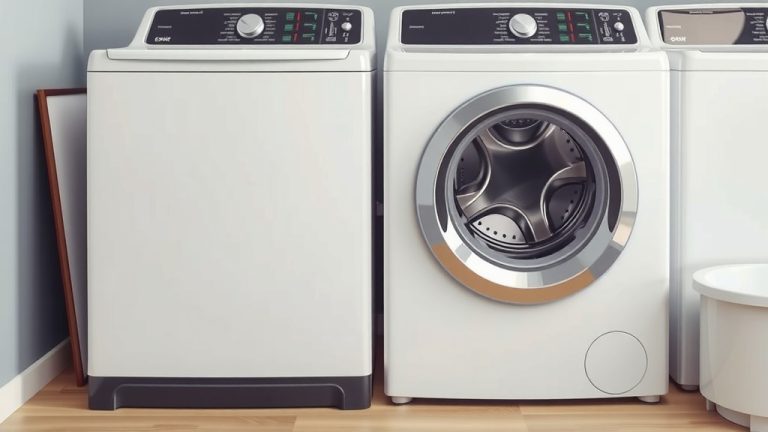
This is a disadvantage that many front-loader owners talk about. Because the door seals tightly to prevent water from escaping, moisture can get trapped. This trapped moisture can, over time, lead to the growth of mold and mildew, especially around the rubber door gasket. The result? An unpleasant odor that can transfer to your clean clothes.
Keeping your front-loader smelling fresh requires a bit more diligence than with a top-loader. You’ll need to get into the habit of wiping down the door seal after each wash and leaving the door ajar between uses. This allows air to circulate and helps dry out the interior. We found that regular cleaning of the detergent dispenser and the drum itself is also important.
Cleaning the Door Seal: A Necessary Chore
The rubber gasket around the door is the primary culprit for odor issues. It’s a textured surface that can trap lint, hair, and residue. Most manufacturers recommend cleaning this seal at least once a month. You can use a mixture of warm water and mild detergent, or a diluted bleach solution for tougher stains and odors, following the manufacturer’s instructions carefully (CDC guidelines suggest proper cleaning of household surfaces to prevent mold growth).
Dealing with Drum Odors
Beyond the seal, the drum itself can sometimes develop a stale smell. Running an empty “clean cycle” or “tub clean” cycle regularly can help. Many machines have a specific setting for this. If yours doesn’t, a hot water cycle with a cup of white vinegar or a specialized washing machine cleaner added to the drum can work wonders. We found that these cleaning cycles are highly effective in preventing and eliminating odors.
Capacity Limitations: Is It Big Enough?
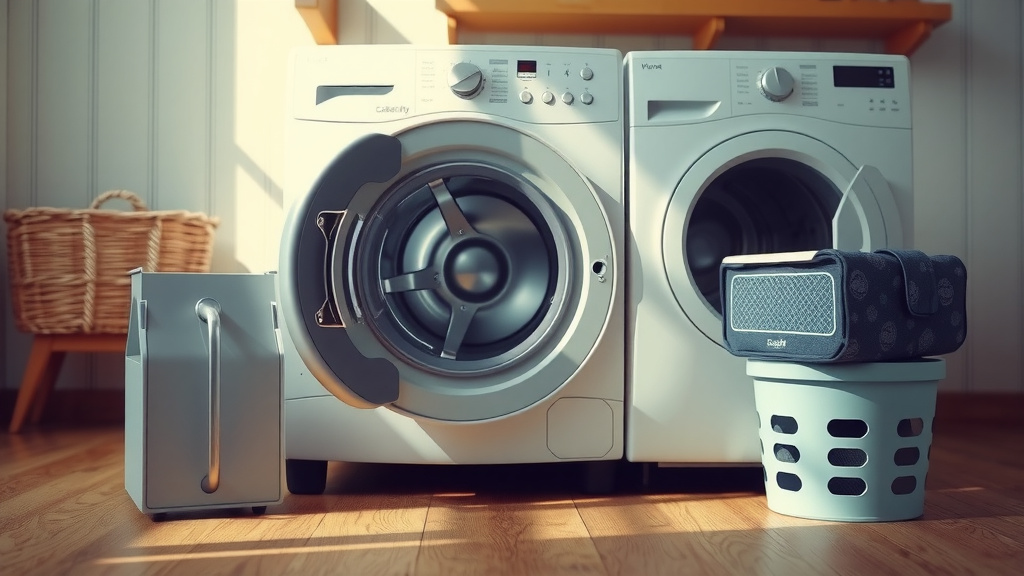
While many front-loaders offer generous drum sizes, some models, especially compact or apartment-sized units, may have a smaller capacity than traditional large-capacity top-loaders. If you have a large family or tend to wash bulky items like comforters frequently, you’ll want to pay close attention to the cubic feet (cu. ft.) capacity of any machine you’re considering.
A smaller capacity means you might have to do more loads to get through your weekly laundry. This can negate some of the time savings you might expect from faster cycles, even if the individual cycle times were shorter. We found that comparing the stated capacity in cubic feet is the best way to assess if a machine will meet your needs.
Matching Capacity to Your Household Size
For a single person or a couple, a smaller capacity front-loader is usually perfectly adequate. However, for families with three or more children, we recommend looking for models with at least 4.5 cu. ft. capacity or larger. This ensures you can handle standard family-sized loads without overstuffing the machine, which can lead to poor cleaning results and potential damage to the appliance.
Potential for More Complex Repairs: When Things Go Wrong
Front-loading machines are sophisticated pieces of engineering. While this allows for advanced features and efficiency, it can sometimes mean that repairs are more complex and costly. If a component fails, accessing it might require a technician to disassemble more of the machine compared to a simpler top-loader.
We found that the front-loading design, with its specialized suspension systems and electronic controls, can make DIY repairs more challenging. For many users, this means relying on professional repair services, which can add to the overall cost of ownership. It’s worth considering the availability and cost of parts and service in your area when choosing a washing machine model.
Here’s a quick checklist to help you remember the potential drawbacks:
- Longer wash cycles can disrupt busy schedules.
- Higher upfront cost requires a larger initial budget.
- Regular cleaning of the door seal is essential to prevent odors.
- Smaller capacity might mean more loads for larger families.
- Complex repairs could lead to higher service costs.
Conclusion
You’ve explored the main drawbacks of front-loading washing machines. While they offer efficiency and gentleness, you now understand the trade-offs. Longer wash times, higher initial costs, potential odor issues requiring regular cleaning, and sometimes limited capacity are key considerations. Weighing these points against the benefits helps you make an informed decision. Before you buy, revisit your household needs and budget to ensure a front-loader is the right fit for your home and lifestyle.
Frequently Asked Questions
Can a front-loading washer be bad for my clothes?
Front-loaders are generally gentler on clothes due to their tumbling action and lower water usage. However, if you frequently use the longest, hottest cycles or pack the machine too tightly, it could potentially lead to more wear over time. Sticking to recommended load sizes and using appropriate cycle settings helps protect your fabrics.
How often do I really need to clean a front loader’s door seal?
Most manufacturers recommend wiping down the door seal at least once a week, and performing a more thorough cleaning with a mild detergent or diluted bleach solution monthly. This is crucial to prevent mold and mildew buildup, especially in humid environments or if you often forget to leave the door ajar.
Are front-loaders always more expensive to fix?
While some repairs on front-loaders can be more complex due to their design and electronics, not all repairs are automatically more expensive. The cost depends heavily on the specific part that needs replacing and whether you use a professional technician or a DIY approach. Always get an estimate before agreeing to service.
Is a front-loader truly less convenient if I do a lot of laundry?
The longer cycle times can be less convenient if you need to get through many loads quickly. However, many front-loaders are also more energy and water-efficient, meaning you might use less electricity and water per load. For some, the efficiency gains and better cleaning performance outweigh the longer cycle duration.
What’s the biggest mistake people make with front-loading washing machines?
The most common mistake is neglecting regular cleaning of the door seal and detergent dispenser. This oversight often leads to the musty odors that front-loaders are sometimes known for. Leaving the door ajar between washes is also a simple yet vital step that many forget, contributing to moisture buildup.