Buying a Washing Machine: Key Features to Consider
When buying a washing machine, focus on capacity, energy efficiency, and the type of wash cycle you need. These factors directly impact performance and cost. Consider how much laundry you do weekly. Think about the size of your family. Your choices here will save you time and money in the long run.
Beyond the basics, look at noise levels and available smart features. Some machines are surprisingly loud. Others connect to your phone for remote control. Researching these details can lead to a much happier laundry day. We found that many people overlook these aspects until it’s too late.
- Capacity: Match it to your household size.
- Efficiency: Look for Energy Star ratings.
- Wash Cycles: Choose based on your fabric types.
- Noise: Quieter models are often preferred.
- Smart Features: Useful for remote control.
Let’s break down what to look for to find the perfect washing machine for your home.
Choosing the Right Washing Machine for Your Home
Selecting a new washing machine can feel overwhelming. You want something that cleans well. You also need it to last. And, of course, you want it to fit your budget and your lifestyle. We’ve researched what matters most. Our guide to washing machine cost can help you budget effectively.
Understanding Washing Machine Types
There are two main types of washing machines you’ll encounter. Each has its own pros and cons. Knowing the difference will help you make the best choice for your laundry needs.
Top-Load Washers
These machines have the door on the top. You load your clothes from above. They are often easier to load and unload. Many people find them more familiar. You can also usually add forgotten items mid-cycle.
Agitator Models
Traditional top-loaders have an agitator. This is a central post that twists and turns clothes. Some users feel this can be rough on fabrics. It’s a classic design that gets clothes very clean.
Impeller Models
These newer top-loaders use an impeller. It’s a cone or disc at the bottom of the drum. It spins and moves clothes around. They generally offer more capacity and are gentler on clothes. We found they use less water too.
Front-Load Washers
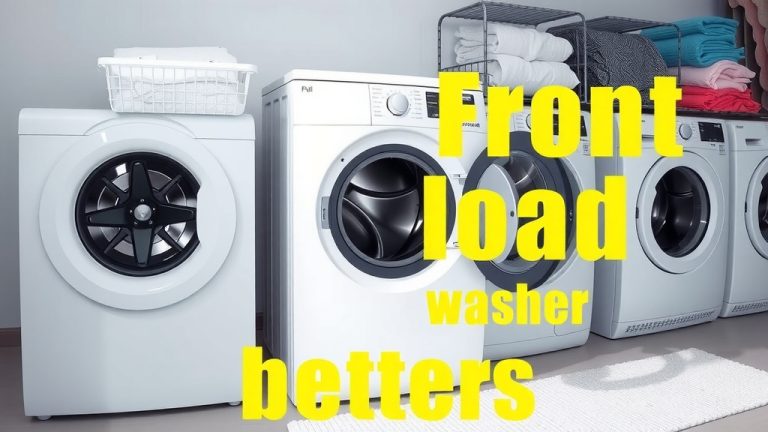
Front-loaders have a door on the front. You load laundry through this door. They tend to be more energy-efficient. They also use less water per load. Many people prefer them for their cleaning performance.
Front-loaders can sometimes be stacked with a dryer. This saves floor space. It’s a great option for smaller homes or apartments. Keep in mind that bending down to load and unload is necessary.
Capacity: How Much Laundry Do You Actually Do?
Washing machine capacity is measured in cubic feet. This tells you how much laundry it can hold. Think about the size of your household. Do you have a large family? Or are you mostly doing laundry for one or two?
A good rule of thumb is to consider your weekly laundry needs. For smaller households (1-2 people), a capacity between 2.0 to 3.5 cubic feet is often sufficient. For medium families (3-4 people), aim for 3.5 to 4.5 cubic feet. Larger families or those who do fewer loads might need 4.5 cubic feet or more.
We found that overloading a machine can lead to poor cleaning. It also puts stress on the motor. Choosing the right capacity ensures your clothes get properly cleaned. It also helps your machine last longer.
Energy and Water Efficiency Ratings
Washing machines use electricity and water. Choosing an efficient model can save you money. It’s also better for the environment. Look for the ENERGY STAR label. This means the machine meets strict efficiency guidelines. These are set by the U.S. Environmental Protection Agency.
ENERGY STAR certified washers use less energy and water. They can save you money on utility bills. We found that these savings can add up significantly over the life of the appliance. Check the yellow EnergyGuide label on new machines. It shows estimated yearly energy use and cost.
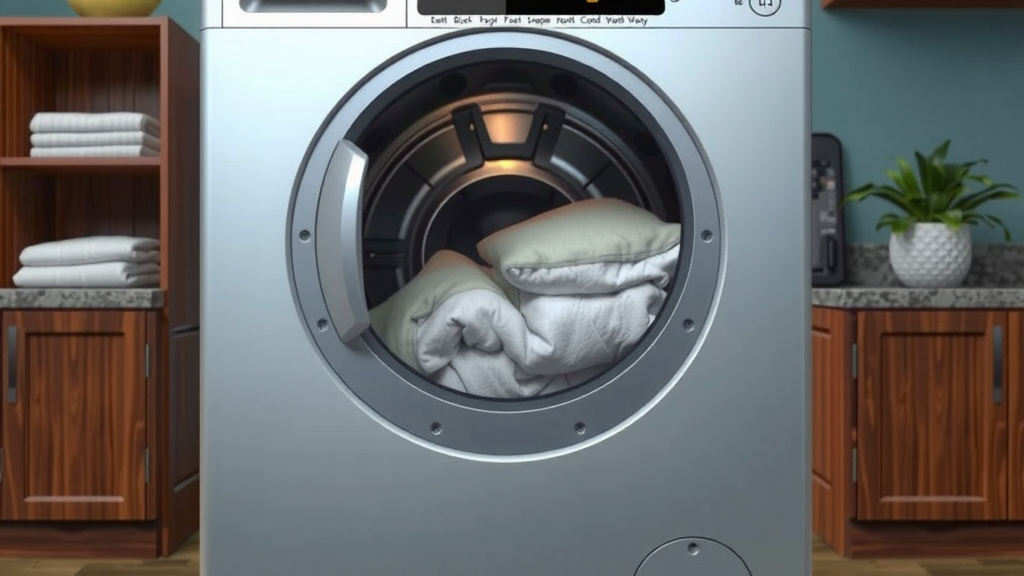
Exploring Wash Cycles and Features
Modern washing machines offer many wash cycles. These cater to different fabric types and soil levels. Think about the types of clothes you wash most often.
Common Wash Cycles to Consider
You’ll find cycles for basics like Normal or Cotton. There are also cycles for delicates, like Hand Wash or Delicates. For heavily soiled items, a Heavy Duty cycle is useful.
Many machines also have specialized cycles. These might include Quick Wash for lightly soiled items. Others offer steam settings to help sanitize or remove wrinkles. Some have allergen cycles, which are great if you have sensitivities.
Water Temperature and Spin Speed Settings
The ability to control water temperature is important. Hot water is best for whites and heavy stains. Warm water works for everyday loads. Cold water is ideal for dark colors and delicate fabrics. It also saves energy.
Spin speed affects how much water is removed from clothes. Higher spin speeds mean clothes come out drier. This can reduce drying time. However, very high spin speeds can be hard on delicate fabrics. Look for machines that offer multiple spin speed options.
Noise Levels: Is a Quiet Washer Important?
Washing machines can be noisy. This is especially true during the spin cycle. If your laundry room is near living areas, noise might be a concern. Some machines are designed with noise reduction technology.
We found that front-load washers tend to be quieter than traditional top-loaders. Look for manufacturer descriptions that mention quiet operation or vibration reduction. Some reviews also comment on noise levels. This can be helpful information.
Smart Features: Are They Worth It?
Many newer washing machines come with smart features. These often connect to your home Wi-Fi network. You can control them using a smartphone app.
With smart features, you can start or stop cycles remotely. You can receive notifications when a cycle is done. Some apps can even diagnose problems. For busy households, these features can offer convenience. However, they often come at a higher price point. Consider if these features are truly beneficial for your daily routine.
A Quick Checklist for Your Washing Machine Search
- Match capacity to your household size.
- Prioritize ENERGY STAR certification for efficiency.
- Review available wash cycles for your needs.
- Consider the machine’s noise level if it’s a concern.
- Decide if smart features add value for you.
- Check the dimensions to ensure it fits your space.
Conclusion
You’ve learned that choosing a washing machine involves looking beyond just the price tag. By focusing on the right capacity for your household size and prioritizing ENERGY STAR ratings, you’ll ensure efficiency and long-term savings. Considering the various wash cycles available and whether quieter operation or smart features are important to you will lead to a machine that truly fits your life. Take this knowledge and head to the store or shop online. Your next laundry day will thank you for making a well-informed decision.
Frequently Asked Questions
What’s the biggest mistake people make when buying a washing machine?
A common mistake is not considering the actual size of your laundry loads. Buying a machine that’s too small leads to frequent washes and potential overloading. Conversely, a machine that’s too large might waste water and energy on smaller loads. Matching capacity to your household needs is key.
Are front-load washers always better than top-load washers?
Front-load washers generally offer better energy and water efficiency, and they tend to be gentler on clothes. However, top-load washers can be more budget-friendly upfront and may offer faster wash cycles. The “better” choice depends on your priorities like cost, efficiency, and convenience.
How do I know if a specific wash cycle is actually useful for me?
Think about the types of fabrics you wash most often and the typical dirt levels. If you have a lot of delicates, a delicate cycle is essential. For busy weeks with lightly soiled clothes, a quick wash cycle can be a lifesaver. Reviewing the specialized cycles can help you spot functions that match your laundry habits.
Are smart features on washing machines really worth the extra cost?
Smart features, like app control and remote start, offer convenience for busy households. You can get cycle notifications or even start a wash from work. However, they do increase the price. If you value remote access and tech integration, they might be worth it for you, but they aren’t essential for basic cleaning.
What does the ENERGY STAR label actually guarantee?
The ENERGY STAR label means a washing machine has met strict energy efficiency guidelines set by the U.S. Environmental Protection Agency. These certified machines use less electricity and water compared to standard models. This translates into lower utility bills and a reduced environmental impact over the appliance’s lifespan.