Buying a Washing Machine: Your Ultimate Guide
Buying a good washing machine means looking at capacity, energy efficiency, and the right type for your needs. Front-load machines generally offer better cleaning and water savings, while top-loaders are often more affordable and faster. Consider your laundry habits and budget to make the best choice.
It’s easy to get overwhelmed by all the options. From smart features to specific wash cycles, manufacturers are constantly innovating. We found that focusing on the core functionalities you need will help you filter out the noise. Your ideal machine should fit your space and handle your typical loads with ease.
- Capacity matters for your family size.
- Energy efficiency saves money long-term.
- Type (front vs. top load) affects performance.
- Budget guides your features and brand choices.
- Read reviews for real-world user experiences.
Let’s break down what makes a washing machine “good” for your home, so you can pick the perfect one without any guesswork.
Choosing Your Next Washing Machine
You’re in the market for a new washing machine, and let’s be honest, it can feel like navigating a maze. So many buttons, cycles, and jargon! But don’t worry, we’re here to simplify things. We’ve researched what truly matters to help you find a machine that cleans your clothes effectively and fits your lifestyle perfectly. Think of us as your laundry guide.
Understanding Washing Machine Types
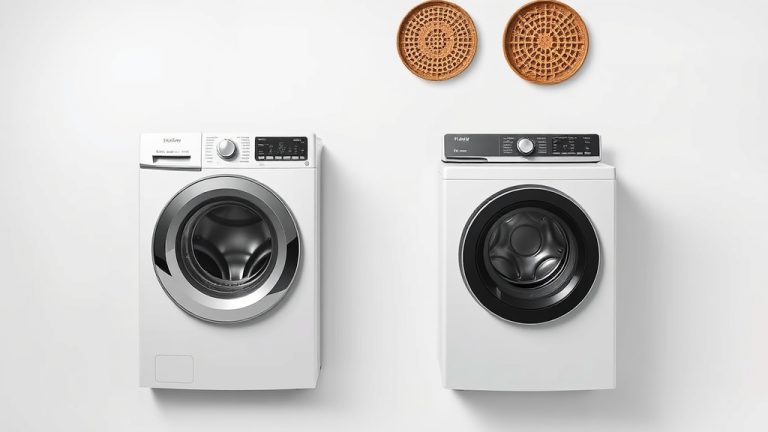
The first big decision is the type of washing machine. There are two main players: top-load and front-load. Each has its own set of pros and cons, and the best one for you really depends on your priorities.
Top-Load Washing Machines
Top-load machines are what many of us grew up with. They load from the top, making them easy to access without bending over. They also tend to have a shorter wash cycle, which can be a lifesaver when you’re in a hurry. We found that many users prefer the simplicity and speed of top-loaders.
Agitator vs. Impeller Top-Loaders
Within the top-load category, you’ll find two styles. The traditional ones have an agitator, that central post that twists and turns your clothes. These are great for getting tough stains out, but they can be a bit rougher on fabrics. Then there are high-efficiency (HE) impeller models. These use a low-profile disc at the bottom of the tub to move clothes. They’re gentler on your laundry and use less water. Many experts suggest impeller models for a good balance of cleaning power and fabric care (Consumer Reports). Our guide to top-rated top-loading washing machines discusses impeller models.
Front-Load Washing Machines
Front-load machines load from the front, like a dryer. They tumble clothes, which is generally gentler on your laundry and often leads to a deeper clean. We found that these machines are also incredibly water and energy efficient. Plus, their spin cycles are usually faster, meaning your clothes come out less damp, and your dryer works less.
Why Choose a Front-Loader?
If you’re looking to save on utility bills, a front-loader is often the way to go. Many models are ENERGY STAR certified, which means they meet strict energy efficiency guidelines set by the U.S. Environmental Protection Agency. This translates to lower water and electricity usage over time. Learn more about how ENERGY STAR certified machines save money.
| Feature | Top-Load (Agitator) | Top-Load (Impeller) | Front-Load |
|---|---|---|---|
| Loading Style | Top | Top | Front |
| Wash Action | Agitator (central post) | Impeller (disc) | Tumbling |
| Water Usage | High | Medium | Low |
| Energy Efficiency | Lower | Medium | Higher |
| Gentleness on Clothes | Rougher | Medium | Gentle |
| Cycle Time | Faster | Medium | Slower (often with pre-soak) |
| Ergonomics | Easier to load | Easier to load | Requires bending |
Capacity: How Much Laundry Do You Have?
This is a big one! Washing machine capacity is measured in cubic feet. Think about the size of your household and how often you do laundry. Doing fewer, larger loads is generally more efficient. We found that most households do well with a mid-size machine.
- Small loads (1-2 people): 2.0 to 3.5 cubic feet
- Medium loads (2-4 people): 3.5 to 5.0 cubic feet
- Large loads (4+ people): 5.0 cubic feet and up
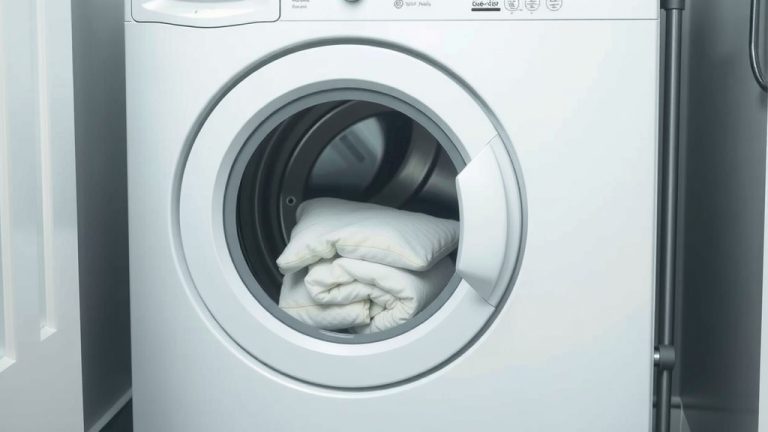
If you frequently wash bulky items like comforters or large blankets, you’ll want to consider a larger capacity model. Make sure the drum is deep enough to accommodate those items comfortably.
Energy and Water Efficiency Matters
As we touched on, efficiency can make a big difference. Look for the ENERGY STAR label. These machines use at least 20% less energy and 30% less water than standard models. While they might have a slightly higher upfront cost, the savings on your utility bills over the machine’s lifespan can be substantial. Many sources suggest that high-efficiency machines are a smart long-term investment (U.S. Department of Energy).
Wash Cycles and Features You’ll Actually Use
Manufacturers love to pack in a ton of cycles. It can be overwhelming! But let’s focus on the essentials. Most machines come with standard cycles like Normal, Delicates, Heavy Duty, and a Quick Wash. Do you really need a “Hiking Boot” cycle? Probably not.
- Sanitize Cycle: Great for killing germs, especially if you have kids or pets.
- Steam Cycle: Helps remove wrinkles and refresh clothes without a full wash.
- Allergen Cycle: Removes dust mites and pet dander.
- Smart Features: Wi-Fi connectivity can let you start, stop, and monitor your wash from your phone. Is it essential? For some, yes! For others, it’s just a cool gadget.
Think about your typical laundry needs. Do you wash a lot of workout clothes? Delicate items? Heavily soiled work clothes? Choose a machine with cycles that match your real-life laundry needs.
Noise Levels: Keep the Peace
Washing machines can be noisy! If your laundry room is near living areas, noise level might be a concern. Some manufacturers build their machines with vibration reduction technology. We found that front-load models, especially those with advanced suspension systems, tend to be quieter. Reading user reviews can often give you a good idea of how loud a specific model is in real-world use.
Durability and Reliability
You want your washing machine to last. Brands known for their durability often use higher-quality components. Research brand reputation and look for models with longer warranties, especially on the motor and drum. Many consumer reports highlight brands that consistently perform well in reliability tests year after year.
Your Washing Machine Checklist
Ready to find your perfect machine? Keep this quick checklist handy:
- Assess your laundry load size.
- Choose between top-load or front-load.
- Check the ENERGY STAR rating.
- Identify essential wash cycles.
- Read recent user reviews.
- Consider the noise level.
Conclusion
You’ve learned that choosing a washing machine is about understanding your laundry habits. Consider your household size for the right capacity. Decide between a top-load for convenience or a front-load for efficiency. Look for that ENERGY STAR label to save on bills. Don’t forget to pick cycles you’ll actually use and check user reviews for real-world performance. Your perfect machine is out there!
Your next step is to use your new knowledge to compare models and find the best fit for your home and budget. Happy washing!
Frequently Asked Questions
What’s the biggest difference between front-load and top-load washers?
The biggest difference is how they clean and how much water they use. Front-loaders tumble clothes gently and are very water and energy-efficient. Top-loaders use an agitator or impeller and generally have faster cycles but use more water.
How do I know what washing machine capacity I need?
You should consider your household size and how often you do laundry. For 1-2 people, a smaller capacity is fine. For larger families or if you wash bulky items often, you’ll want a larger capacity machine to handle bigger loads efficiently.
Are washing machines with steam cycles worth the extra cost?
A steam cycle can be worth it if you frequently deal with wrinkles or want to sanitize clothes without a full wash. It’s a feature that can refresh garments and reduce the need for ironing for some users.
How important is energy efficiency when buying a washing machine?
Energy efficiency is very important for long-term savings. Look for the ENERGY STAR label, as these machines use significantly less water and electricity. While they might cost more upfront, you’ll save money on your utility bills over the machine’s lifespan.
Should I buy a washing machine based on brand name alone?
Brand name can sometimes indicate reliability, but it’s not the only factor. It’s better to research specific models within a brand and read recent user reviews. Many brands offer reliable machines, so focus on features and user feedback for the best choice.