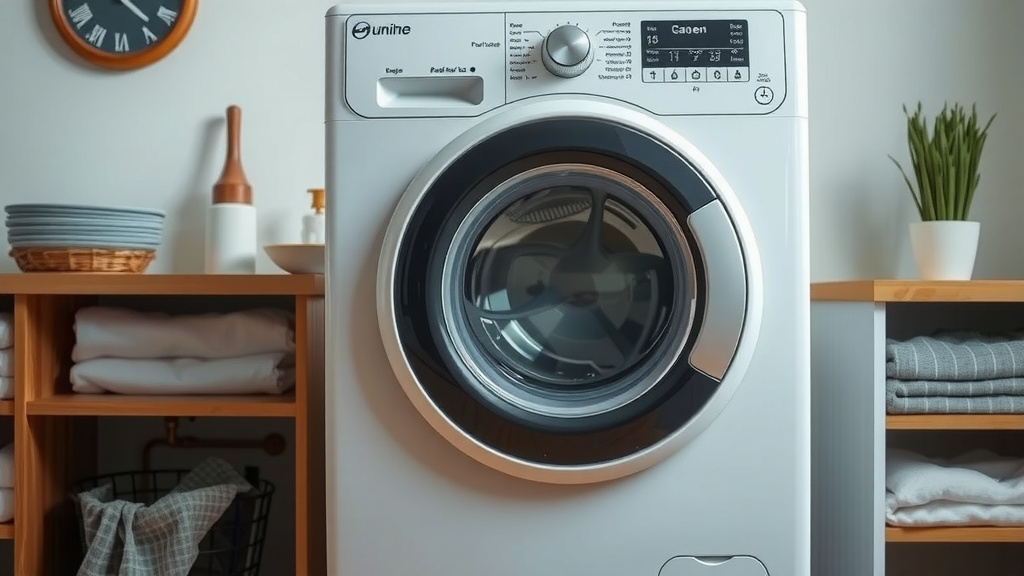
Choosing the Right Washing Machine: A Buyer’s Guide
Choosing a good washing machine means finding one that fits your budget, space, and laundry needs. Look for models with energy efficiency ratings and the right capacity for your household size. Consider the types of washes you do most often, like delicate cycles or heavy-duty options.
A washing machine is a big purchase. You want one that cleans well and lasts for years. We found that understanding key features like wash cycles, load size, and spin speed can make all the difference. Don’t forget to check reviews for reliability and user satisfaction.
- Consider your laundry habits.
- Check energy efficiency labels.
- Match capacity to your family size.
- Read reviews for reliability.
- Set a budget beforehand.
Let’s walk through the main things you should think about to pick the perfect washing machine for your home.
Making the Right Washing Machine Choice
Picking a new washing machine can feel like a big decision. You want something that cleans your clothes well. You also want it to be reliable for years to come. We found that understanding a few key things makes the process much easier.
Know Your Laundry Habits
Think about how much laundry you do. Do you have a large family with piles of clothes each week? Or are you a single person with just a few loads? Your answer helps determine the capacity you’ll need.
What kinds of items do you wash most often? Are there lots of muddy sports uniforms? Or maybe delicate blouses that need special care? Matching the machine’s cycles to your common wash types is super helpful. We found that many users overlook this. It can lead to frustration later.
Understanding Washing Machine Types
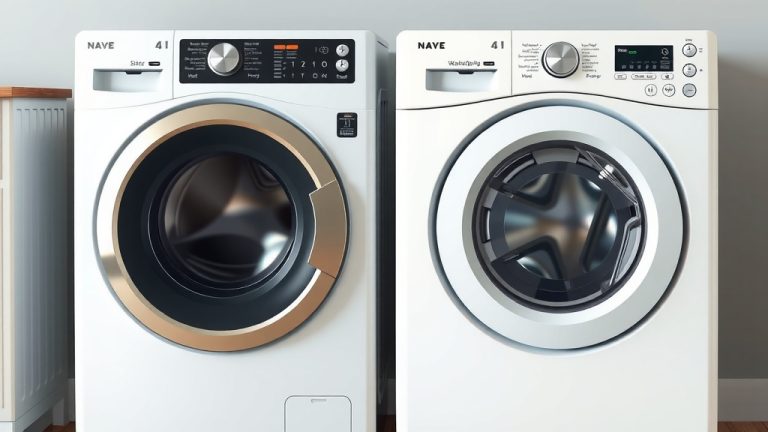
There are two main styles of washing machines you’ll see: top-load and front-load. Each has its own benefits.
Top-Load Washers
These are the classic machines. They have a lid on top. You load clothes from above. They often have an agitator in the middle. This is a central post that twists and turns clothes. Some newer top-loaders use an impeller instead. This is a cone-shaped disc at the bottom of the drum.
Top-loaders are generally cheaper to buy. They also tend to have shorter wash cycles. Many people find them easier to load. You don’t have to bend over as much. Plus, you can usually add forgotten items mid-cycle. We found this is a big plus for busy households.
Front-Load Washers
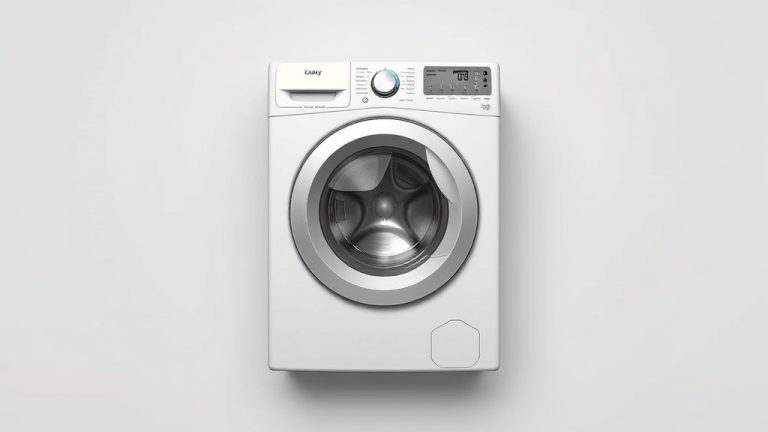
Front-loaders have a door on the front. You load clothes through this door. They use tumbling action to clean clothes. This is gentler on fabrics. It also uses less water and energy. Many experts point to front-loaders as being more energy-efficient (ENERGY STAR).
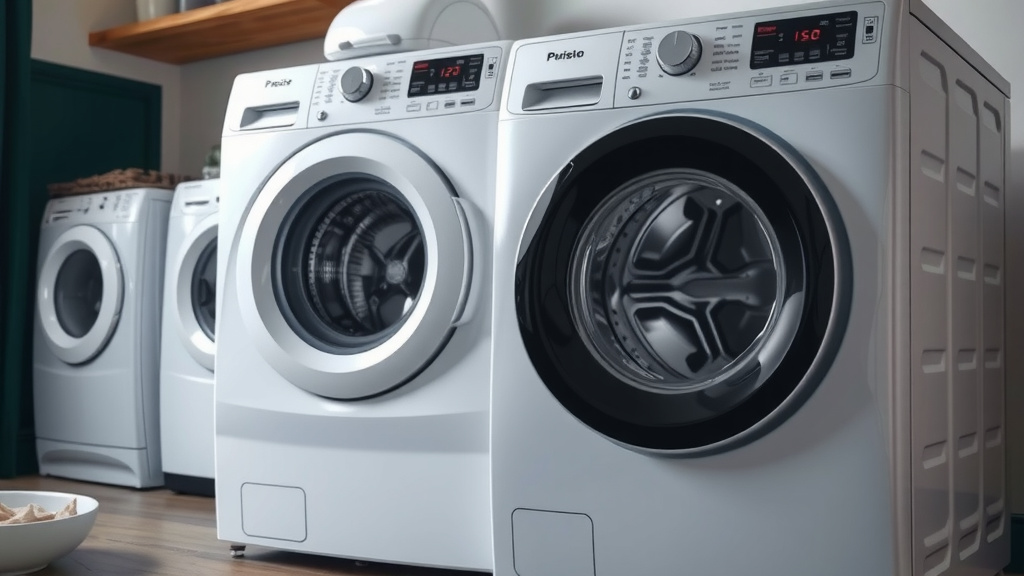
These machines often have a higher spin speed. This means clothes come out drier. That can cut down on drying time. Front-loaders can also fit under counters. This is great for saving space. They tend to be more expensive upfront. But, they can save you money on water and energy bills over time. We found that users often praise their cleaning performance.
Capacity: How Much Can It Hold?
Washing machine capacity is measured in cubic feet. It tells you how much laundry the drum can hold. A good rule of thumb is to match capacity to your household size.
- 1-2 people: 2.0 – 3.5 cubic feet
- 3-4 people: 3.5 – 4.5 cubic feet
- 5+ people: 4.5+ cubic feet
A larger capacity means fewer loads. This saves you time and energy. However, don’t go too big if you don’t need it. Washing small loads in a large machine can use more water and energy. We found that choosing the right size is key for efficiency.
Energy Efficiency Matters
Look for the ENERGY STAR label. This means the machine meets strict energy efficiency guidelines. These appliances use less energy and water. They can save you money on utility bills. They are also better for the environment. Many government guidelines recommend ENERGY STAR certified appliances (ENERGY STAR).
Pay attention to the water factor. This rating indicates how many gallons of water are used per cubic foot of capacity. A lower water factor means more efficient water use. High-efficiency (HE) machines are designed to use less water. They often require special HE detergent.
Spin Speed: How Dry Will Your Clothes Be?
Spin speed is measured in revolutions per minute (RPM). A higher RPM means the drum spins faster. This extracts more water from your clothes. Clothes spun at a higher speed will come out drier. This can reduce your drying time. It also means less wear and tear on your dryer. Many experts agree that higher spin speeds are beneficial (Consumer Reports).
However, very high spin speeds might be too harsh for some delicate fabrics. Many machines offer various spin speed options. This lets you choose the best setting for your laundry load.
Wash Cycles and Features to Consider
Most machines come with standard cycles like normal, heavy-duty, and delicates. Think about what else you might need.
- Sanitize cycle: Great for killing germs on bedding or baby clothes.
- Steam cycle: Can help remove stains and reduce wrinkles.
- Quick wash: Perfect for lightly soiled items you need fast.
- Allergen cycle: Designed to remove common allergens like dust mites and pet dander.
Some advanced machines offer smart features. You might be able to control them with an app. Others have automatic detergent dispensing. Consider if these extras fit your lifestyle and budget.
Noise Level: Will It Disturb Your Peace?
Washing machines can be noisy. Especially during the spin cycle. If your laundry area is near living spaces, this is important. We found that reviews often mention noise levels. Look for machines advertised as quiet or vibration-reducing. Some models have special insulation or suspension systems.
Reliability and Reviews: What Are Others Saying?
Before you buy, check reviews. Look at consumer reviews and professional ratings. Sites like Consumer Reports often test and compare models. They provide detailed information on performance and reliability. We found that user reviews can highlight real-world pros and cons.
Consider brands known for durability and good customer service. A longer warranty can also offer peace of mind. It shows the manufacturer stands behind their product.
Your Washing Machine Checklist
Before you head to the store or browse online, here’s a quick checklist:
- Match capacity to your household size.
- Consider top-load vs. front-load pros and cons.
- Look for the ENERGY STAR label for efficiency.
- Check the spin speed for drier clothes.
- Identify must-have wash cycles or features.
- Read reviews for reliability and noise levels.
Conclusion
You’ve learned how to pick a washing machine that fits your life. Remember to match capacity to your household size. Consider whether a top-load or front-load machine is best. Always look for the ENERGY STAR label for efficiency. Checking spin speeds and desired wash cycles will help too. Don’t forget to read reviews before you buy. Taking these steps will help you find a reliable washer. Your next step is to use your checklist when you shop.
Frequently Asked Questions
How do I know if a washing machine is energy efficient?
Look for the ENERGY STAR label on the appliance. This certification means the machine meets strict energy efficiency guidelines set by the EPA. These washers use less water and electricity, saving you money on utility bills.
What’s the difference between an agitator and an impeller in a top-load washer?
An agitator is a central post that twists clothes. An impeller is a cone-shaped disc at the bottom that moves clothes. We found that impellers tend to be gentler on fabrics and allow for larger loads.
Are front-load washers really better for my clothes?
Yes, front-load washers generally are. They use a tumbling action that is much gentler on fabrics than the agitator in many top-loaders. This means your clothes may last longer and experience less wear and tear.
How much water does a washing machine actually use?
Water usage varies by model and cycle. Look for the water factor rating, which indicates gallons per cubic foot of capacity. High-efficiency (HE) machines are designed to use significantly less water overall.
What if my laundry room is very small?
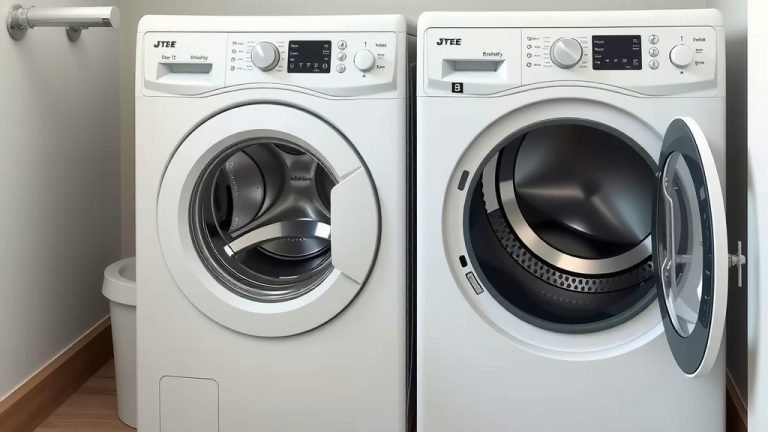
If space is limited, consider a compact or stackable washer. Front-load washers can often be stacked with a matching dryer to save floor space. Some newer models are also designed for smaller spaces without sacrificing capacity.